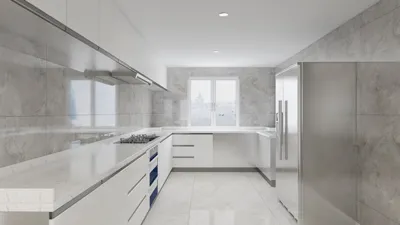


Once, a client challenged me to fit a full island, a six-seat sofa, and a ping-pong table into a confined 220 square foot studio. Initially, I laughed at the request, but then I got to work. This experience pushed me to understand how small spaces compel us to make smarter design choices. I even experimented with some sketches using an AI home design tool like Homestyler to quickly visualize the proportions.
Working with limited spaces fuels immense creativity. Thus, I’d like to share five layout ideas that I've successfully implemented in various projects to help small living room and kitchen combinations feel more spacious and functional.
1. Linear galley with a floating sofa
Positioning the kitchen along one wall while floating a slim sofa parallel can create a dedicated circulation path. This layout promotes a smooth cooking flow and maintains open sightlines; however, it may feel cramped if larger furniture is used. Choosing slender, leggy pieces can maximize visual space.
Quick tip: opt for a low-profile sofa with exposed legs to maintain openness. From a budget perspective, this layout is also economical since it utilizes a single wall.
2. Compact L-shape with integrated dining bench
An L-shaped kitchenette nestled into a corner, paired with a built-in dining bench, conserves space and provides storage underneath the seat. This creates a cozy dining area without needing a standalone table, making it ideal for maximizing floor space.
However, a drawback of this setup is that the bench is less accommodating for larger gatherings. It's wise to consider using modular stools that can be easily stored away when not needed.
3. Pivot or fold-down table with corner prep zone
Implement a corner work triangle, complemented by a wall-mounted fold-down table which can double as a dining or preparation surface. This setup keeps counters unencumbered and allows the living area to feel more spacious when the table is stowed. I frequently visualize these arrangements using 3D renderings in Homestyler to ensure clearances are adequate before making hardware purchases.
The challenge with this design is ensuring that hinges and supports are robust. Avoiding flimsy fittings can save future headaches.
4. Vertical storage and hidden appliances
By going vertical with floor-to-ceiling cabinets, integrated fridge panels, and microwave spaces, you can free up counter surfaces. This creates a cleaner kitchen environment and allows more room in the living area. However, the visual weight of taller units can feel heavy; breaking it up with lighter finishes or open shelving can alleviate this issue.
Budget note: Although investing in a few taller units might be pricier upfront, it reduces visual clutter and negates the need for additional furniture in the long run.
5. Low divider or half-wall to define zones
Incorporating a low console, half-wall, or backless sofa can help delineate the living space without obstructing natural light. This solution offers surface area for decorative items like lamps or plants while keeping the overall space open. I've often laid out many of these designs in compact room plans to verify sightlines and television placement.
A minor drawback is that it slightly reduces open-plan interaction. If you enjoy entertaining, consider keeping the divider low and movable for versatility.
FAQ
Q1: What’s the minimum comfortable width for a galley kitchen in a living room combo?
A: Aim for a minimum of 42 inches for one cook and 48 inches for two cooks between countertops to ensure adequate movement and access to appliance doors. These dimensions are based on standard kitchen planning guidelines, like those from the NKBA.
Q2: Can I place a full-size fridge in a compact living room kitchen?
A: Yes, but it’s advisable to fit it into a recessed space or panel it to match the cabinetry for a cohesive look. If space is extremely tight, a counter-depth fridge might help maintain a clear circulation path.
Q3: How should I select flooring to enhance the spaciousness of the combo?
A: Consistency in flooring throughout the area helps to create a sense of continuity, and laying planks parallel to the longest sightline will enhance the spacious feel. Opting for lighter, low-contrast tones can also contribute to the overall openness of the area.
Q4: What is the best lighting approach?
A: Utilize a layered lighting strategy—incorporating ambient downlights, task lighting over prep areas, and warm accent lamps near seating ensures each zone remains functional without feeling overwhelmed. Dimmable lights improve flexibility for varying moods and culinary tasks.
Q5: Is it viable to include an island in a small combo?
A: A narrow peninsula or mobile island is often more practical than a bulky, fixed island. This can provide additional prep space and storage without disrupting traffic flow. If you can maintain a walkway of 36–42 inches around it, it's typically a workable solution.
Q6: How do I balance storage with open display options?
A: Focus on enclosing storage for larger or clutter-prone items while reserving a small open shelf for carefully curated objects. This approach offers the calmness of concealed storage mixed with the character of display.
Q7: What are the best strategies for managing noise and cooking odors in an open space?
A: Investing in a high-quality hood—ducted if possible—is essential, alongside incorporating soft textiles such as rugs and upholstered furniture to absorb sound. A 3-speed hood with sufficient CFM can effectively minimize lingering odors.
Q8: Where can I access reliable planning guidelines?
A: For clearances and professional advice, the National Kitchen & Bath Association (NKBA) offers respected layout recommendations and checklists on their website, https://nkba.org. I frequently refer to their resources in my designs, including those I create using Homestyler.
Homestyler is your go-to online home design platform! Its intuitive design tool, stunning 3D renderings, and a wealth of design projects and video tutorials make it easy to transform your ideas into reality. Perfect for both beginners and seasoned designers alike!
지금 무료로 디자인하세요
































