

Once, I attempted to fit a four-seat dining set into a 9 sqm nook because a client insisted on hosting Sunday brunch for four. It resembled a restaurant booth crammed into a broom closet — we had a good laugh, learned a valuable lesson, and I vowed never to design without precise measurements again. If you find yourself contemplating how to make a compact floor area shine, remember that small spaces can ignite grand ideas with the right approach, especially by using tools like Homestyler for visualization.
In this article, I'll share five renovation strategies for small homes that I implement with clients: intelligent layouts, multifunctional furnishings, clever storage solutions, lighting techniques, and specific kitchen enhancements. To effectively plan before doing any renovation, consider mapping your small space with Homestyler to visualize what actually fits and works best.
1. Reassess the layout — tear down a wall, expand your options
I removed a nonload-bearing partition in a 45 sqm apartment, and instantly, the tiny living room transformed into a loft-like space. By opening sightlines and combining functionalities — such as dining, working, and living — it creates an illusion of greater space at minimal expense.
Benefits include improved flow, increased natural light, and versatility. However, ensure that you check for structural walls and plan for any electrical or HVAC relocations — it’s wise to budget for a professional to examine the blueprints.
save pin
2. Utilize multifunctional furniture — small items, significant effects
I advocate for furniture that serves multiple purposes: a storage bench, a foldable desk, or a couch that converts into a guest bed. In one of my projects, I incorporated a built-in window seat with hidden drawers, which eliminated the need for two separate pieces of furniture.
The advantages include reduced clutter and fewer purchases, but quality is paramount — low-cost multifunctional items may lack durability. Opt for modular selections and invest in the best sleeper mechanism or hinges within your budget.
save pin
3. Leverage vertical space and visual hierarchy — think upwards rather than outwards
When floor space is limited, I focus on vertical design: tall cabinets, open shelves above eye level, and a stacked storage ladder that draws the viewer's gaze upward. To counterbalance a feeling of confinement, I mix tall storage with mid-height visual breaks and neutral colors.
To see how these options fit within your specific room, utilizing a 3D visualization tool like Homestyler can be beneficial prior to making any commitments — it helps identify awkward heights and lines of sight early on. Keep in mind that accessibility is key: top shelves may require a step stool, so position frequently used items at reachable heights.
save pin
4. Optimize lighting and finish selections — reflect, soften, expand
Lighting is one of the most affordable renovation tricks available. I often swap out heavy curtains for light-filtering roller shades, introduce layered light sources, and choose satin or eggshell finishes to help bounce light effectively. Mirrors placed strategically opposite windows can also create a sense of space.
Drawback: glossy finishes tend to show fingerprints and need maintenance, but the benefits of an immediate spatial uplift are worth it. Budget-friendly tip: swapping paint and lighting choices can yield significant effects at a low cost.
save pin
5. Focused kitchen enhancements — prioritize where you need efficiency
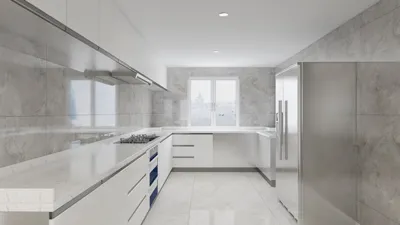
In smaller homes, the kitchen should be designed for efficiency. I emphasize the work triangle and choose shallower cabinets, pull-out pantries, and built-in appliances that maintain clear circulation. For one compact galley kitchen, reorganizing the layout and adding pull-out storage allowed it to operate like a larger kitchen.
If you’re about to renovate the kitchen — the heart of your home — consider engaging a planner who can assist in optimizing flow and avoiding expensive missteps. In smaller kitchens, meticulous planning is essential to ensure functionality over lavish finishes.
save pin
FAQ
Q1: What should be the first step in renovating a small home?
I always begin with an accurate floor plan, which helps prioritize tasks. Being aware of exact dimensions can prevent impulsive purchases and costly redesigns.
Q2: How much should I allocate for a small home renovation?
Budgets can fluctuate depending on the scope, but focus on structural, utility, and storage needs first; cosmetic updates can come afterward. Generally, for many small renovations, reserve at least 20-30% of the total budget for unforeseen issues.
Q3: Are open-plan designs advantageous for small homes?
In most cases, yes — removing barriers can enhance the perception of space, but be mindful of losing acoustic and visual privacy. Use zoning methods like area rugs and lighting to define distinct zones.
Q4: Which lighting types are best suited for small areas?
Layered lighting (ambient, task, accent) with dimmers is preferable; warm-white LEDs create a welcoming ambiance. Additionally, utilizing mirrors and reflective surfaces can help amplify available light.
Q5: Can I cut costs by opting for a DIY renovation?
Certainly for painting, simple cabinet doors, and some finishes, but hire professionals for structural, electrical, and plumbing work to mitigate safety risks. A balanced approach that combines DIY efforts and professional help often provides the best value.
Q6: How do I determine the best storage solutions for small homes?
Select storage tailored to your routines: keep everyday items at waist height, seasonal items high, and hidden compartments for tidiness. Custom built-in solutions usually optimize awkward spaces better than standard furniture.
Q7: Are there sustainability aspects to consider for small home renovations?
Absolutely — enhancing insulation, selecting durable materials, and upgrading to energy-efficient appliances can lower long-term costs and environmental impacts. The U.S. Department of Energy provides helpful resources on energy-efficient home improvements: https://www.energy.gov.
Q8: What is the typical duration for renovating a small home?
Timelines can vary, but expect a few weeks for cosmetic changes and several months for comprehensive reconfigurations that involve multiple trades. Effective scheduling and realistic timelines are crucial for maintaining a smooth project flow.
Discover the power of Homestyler for your home design journey! This user-friendly platform offers a fantastic online design tool, stunning 3D renderings, a wealth of design projects, and helpful DIY video tutorials. Transform your ideas into reality effortlessly and inspire your creativity today!
Zaprojektuj teraz za darmo
































