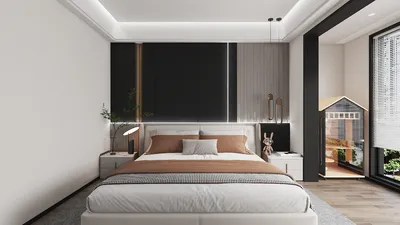


I once had a CEO demand that his executive office feature a built-in mahogany bar alongside a nap pod in a compact 11 square meter space. I agreed but gradually shifted focus to other priorities. Working with limited room sizes fosters innovative solutions, and that diminutive yet challenging project provided me with invaluable insights on efficiency that no textbook could offer. For anyone considering an executive office renovation, it’s essential to examine office layout examples that balance prestige and available space effectively.
1. Optimize Vertical Storage
I’m a fan of tall cabinetry paired with open shelving because they transform awkward walls into useful elements. Utilizing enclosed upper cabinets for sensitive files and open shelves for awards and curated items creates a harmonious balance between form and function. The benefits in space utilization are substantial; however, maintaining a tidy display can be challenging — I often find myself managing my clients' trophy shelves meticulously, much like a librarian.
save pin
2. Design a Multi-Functional Conference Area
An oval meeting table positioned by a window can serve as both an interview area and a casual brainstorming spot. Opt for slim-profile chairs and a foldable screen to maintain clear sightlines. This approach is budget-friendly and promotes sociability, although ensuring good acoustic treatment is crucial, especially if the CEO enjoys lively discussions late into the workday.
save pin
3. Incorporate Glass and Light for Enhanced Perception of Space
Glass partitions and carefully placed mirrors can significantly amplify the perception of space and allow natural light to penetrate deeper into the office environment. When I guide clients through visualizing actual proportions, utilizing quick 3D floor perspectives assists them in understanding how glass selections influence sightlines. While glass may compromise privacy, complementing it with operable blinds or smart glass can maintain confidentiality if that is a priority.
save pin
4. Curate Materials to Reflect Leadership
Choosing a singular standout material — such as warm wood veneer, leather, or textured plaster — can imbue an executive office with seriousness without creating clutter. I typically suggest a refined color scheme accompanied by one bold surface for contrast. This approach results in an elegant and enduring design, albeit higher-quality materials may stretch the budget, necessitating careful selection of the focal element.
save pin
5. Adopt a Tech-Savvy Minimalist Approach
Concealed wiring, integrated screens, and minimal controls contribute to a sleek and modern desk aesthetic. I've implemented modular furniture equipped with hidden power hubs to create a peaceful, productive workstation; for more advanced layout designs, I sometimes leverage AI-driven solutions like Homestyler to generate rapid options. While the initial setup costs can be significant, the result is a clean, executive-standard working atmosphere.
Strategically designed small executive offices can greatly exceed expectations when they incorporate effective storage, lighting, materials, and technology. I have successfully managed several projects where clever layouts transformed compact rooms into impactful leadership suites — I still find humor in that request for a mahogany bar.
save pin
FAQ
1. What size is optimal for an executive office?
I propose 12–20 square meters as an ideal size for an executive office that accommodates a desk, meeting space, and adequate storage. Smaller spaces require meticulous planning and multifunctional furniture.
2. How can I enhance the spaciousness of a small executive office?
Implementing vertical storage solutions, glass partitions, and a limited color palette can create open sightlines. Proper lighting, both natural and layered artificial, also contributes to a sense of depth and airiness.
3. What materials embody leadership without appearing ostentatious?
Warm woods, textured fabrics, and matte metals exude sophistication. Choosing one statement material while keeping the remaining elements muted avoids visual competition.
4. What budget should I allocate for technology integration?
For concealed wiring, built-in power outlets, and basic audiovisual setups, plan for a mid-range technology budget — roughly 8-15% of the entire fit-out costs. Upgrading to advanced automation or smart glass options will raise this figure.
5. Are glass partitions a threat to privacy?
While glass enhances light and openness, it can compromise privacy. Consider using frosted panels, blinds, or switchable glass in areas where confidentiality is vital.
6. How can I ensure ergonomic comfort in an executive suite?
Investing in an adjustable chair, monitor arms, and an appropriate desk height is crucial. For comprehensive guidance on ergonomics and workplace setups, refer to OSHA’s ergonomics resources (https://www.osha.gov/ergonomics).
7. Is it possible for small executive offices to host meetings?
Yes — a compact meeting nook or foldable table can accommodate 3-4 participants. If larger gatherings are frequent, plan for an adjacent collaborative space or a bookable meeting room.
8. What is the typical timeframe for an executive office redesign?
From the initial brief to project completion, a focused redesign typically takes 6-12 weeks depending on the scope, necessary approvals, and custom millwork specifications. Accelerated options are available for cosmetic refreshes within 2-4 weeks.
save pin
Looking to transform your home? Homestyler offers an intuitive online design tool that makes it easy to create stunning spaces. With impressive 3D rendering, a wealth of design projects, and helpful DIY video tutorials, you’ll find everything you need to inspire your next home makeover!
立即免费设计
































