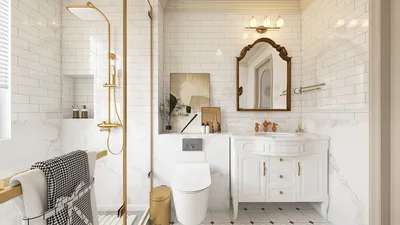


In the past, I designed a compact dental clinic where the waiting area also served as the staff corridor. The receptionist humorously remarked that we were operating a studio apartment rather than a medical facility. This experience demonstrated that designing for small spaces demands precision: each chair, shelf, and sign must justify its presence. To get inspired while planning clinic layouts, explore various room layout examples, which can lead to quick design improvements.
1. Versatile seating and clearly defined areas
I prefer to approach a small waiting room like a charming café, utilizing a combination of individual chairs, a bench, and a couple of compact tables. This arrangement offers patients options while minimizing visual chaos; however, be cautious: an abundance of loose chairs can lead to frequent rearranging. Opt for stackable or interconnected seating for hassle-free adjustments.
Here's a practical tip: in one clinic, I recommended a narrow bench with cubby storage underneath, which provided three additional seats along with a space for magazines and sanitizers, all while conserving floor area.
2. Utilizing light, color, and reflective surfaces to enhance perception
Using light, warm colors on the walls and incorporating a vertical mirror strip can create an illusion of more depth than actually exists. I often recommend a single accent wall behind the reception area to infuse character without overwhelming the space; however, beware that intricate patterns tend to wear out faster than neutral colors, so it's wise to keep it simple for long-term appeal.
Budget tip: rather than installing built-in glass, consider a large framed mirror, which can achieve similar spatial effects at a lower cost.
save pin
3. Efficient reception desk and integrated storage solutions
A compact reception desk with built-in storage maintains clear counters and facilitates patient flow. Built-in features can conceal files, PPE, and cleaning supplies, although this requires an initial investment in carpentry. Nevertheless, I've observed clinics save money over time by avoiding frequent furniture replacements.
When conveying concepts to clients quickly, I utilize mockups and 3D visualizations to illustrate sightlines and demonstrate how a shorter desk can affect queuing dynamics.
save pin
4. Discrete partitions and acoustic comfort
Privacy plays a crucial role in healthcare settings. Low, curved partitions or frosted glass panels provide separation without enclosing the space. They help to dampen sound more effectively than harsh corners, though they may slightly reduce seating capacity—a trade-off between dignity and space efficiency.
Cost-effective strategy: fabric-wrapped panels or plants in slim planters can serve as acoustic buffers while also guiding visitors through the space.
save pin
5. Incorporating biophilic elements and clear wayfinding
Integrating plants, natural materials, and a well-defined sign hierarchy results in a calming and professional atmosphere within a small clinic. Even a singular vertical planter or a textured wallpaper strip can alleviate stress more than an extra chair. Just be mindful of maintenance—opt for hardy, low-light plants or realistic artificial options if upkeep is a concern.
For conducting swift layout experiments, I advise using a free layout creator to test different seating arrangements and circulation paths before committing to permanent installations. Homestyler can be a great tool for this.
save pin
FAQ
Q1: What should be the seating capacity of a small clinic waiting room?
Aim for a balance: provide sufficient seating for peak times while also having space for standing patients. In numerous small clinics I've designed, 6–10 seats accommodate average demand, with flexible solutions for busier times.
Q2: How can I enhance privacy in an open waiting area?
Incorporate low partitions, staggered seating, and sound-dampening materials. These strategies can foster a sense of privacy without obstructing sightlines necessary for staff oversight.
Q3: Are there any infection control considerations for waiting room design?
Absolutely—ensure proper ventilation, easy-to-clean surfaces, and adequate spacing of seating during health crises. For more detailed insights, refer to CDC guidelines on environmental infection control: https://www.cdc.gov/infectioncontrol/guidelines/environmental/index.html.
Q4: Is it advisable to include plants in a medical waiting room?
Yes, plants can enhance air quality perception and reduce stress, but it's best to opt for low-allergen, low-maintenance varieties, or high-quality artificial plants if upkeep is a concern.
Q5: Should reception desks be open or enclosed?
Open desks facilitate communication and visibility, while partly enclosed desks offer staff protection and enable private conversations. I usually suggest a hybrid approach: an open surface for interaction with a secure, enclosed section for records.
Q6: What type of lighting is optimal for a small clinic waiting room?
The best approach is layered lighting: ambient light for overall comfort, task lighting at the reception area, and accent lighting for artwork or signage. Avoid bright fluorescent lights; warm LEDs typically create a more inviting atmosphere and are energy-efficient.
Q7: How should I prioritize budget items in a waiting room redesign?
Invest in elements that significantly impact patient experience—like seating comfort, reception ergonomics, and clear signage—while saving on decoration that can be cheaply refreshed. In my experience, investing modestly in quality seating and a well-thought-out circulation plan yields the quickest benefits.
Q8: Can small clinics adopt digital check-in solutions in an economical way?
Yes! Utilizing tablet-based check-in or a simple QR-code system can minimize waiting times and paperwork. Implementing basic digital check-in along with clear floor markings often enhances flow without significant software expenditures.
save pin
Discover the ease of home design with Homestyler! This user-friendly online platform offers a robust design tool, stunning 3D renderings, and a wealth of DIY video tutorials. Whether you're a beginner or a seasoned designer, you can effortlessly bring your vision to life.
Progetta ora GRATIS
































