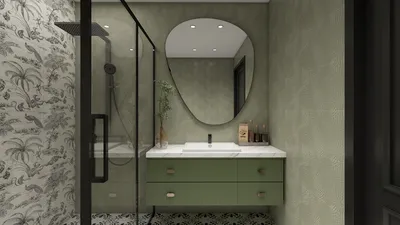


I once encountered a client who was convinced that their new tile design was drawing in tiny brown bugs. They even went as far as naming one of the critters “Mr. Biscuit” and leaving a crumb for it. While this was a humorous situation, it was a valuable lesson on how to view minor nuisances as design challenges. Just like small bathrooms, which compel innovative solutions; addressing little pest issues requires attention to layout and materials, as well as maintaining cleanliness.
1. Seal gaps around fixtures
To start, I always inspect the areas around the toilet base, vanity, and behind the shower. Tiny brown bugs often sneak in through small gaps around plumbing where it connects to the walls. I suggest applying a continuous line of mildew-resistant caulk and installing toe-kicks that extend slightly over the floor. This improves the aesthetic appeal with cleaner lines while reducing insect hiding spots; however, remember that caulk will need occasional upkeep to prevent cracking in older homes.
save pin
2. Opt for water-resistant cabinetry and raised bases
In bathrooms prone to dampness, untreated wooden cabinetry can become a haven for mold and pests. I recommend using water-resistant MDF or sealed plywood, complemented by raised legs or a recessed plinth to keep the base from sitting flat on the floor. This design choice minimizes moisture absorption and eliminates potential hiding locations for small bugs. Although it may require a bit more investment upfront, it can prevent costly repairs and pest problems in the long run.
save pin
3. Enhance ventilation and airflow
Insufficient ventilation leads to persistent damp spots, which are appealing to many small brown bugs. Installing or upgrading an exhaust fan that delivers at least 50 CFM in compact bathrooms, combined with a timed switch, can often prevent infestations before they begin. The main challenge lies in navigating ductwork in cramped spaces; in such cases, a compact fan equipped with a backdraft damper may serve as the best solution.
save pin
4. Use tile and grout efficiently
Grout lines and textured tiles can easily trap dirt, luring pests. I recommend selecting larger-format tiles with fewer grout lines for flooring and utilizing semi-polished tiles for easy cleaning on walls. If opting for smaller tiles in a shower, choose epoxy grout—this type is less absorbent, making it much harder for insects to conceal themselves. Although some homeowners may prefer the tactile feel of smaller tiles, this approach simplifies maintenance.
save pin
5. Create organized, sealed storage
Disorganization can be problematic; hence, I design shallow recessed niches and sealed cabinets using magnetic catches to prevent product spills while ensuring tight closures that pests can't exploit. Clear labeling and regular rotation of toiletries can help avoid attractants from expired products. While this might mean sacrificing some display space, in compact bathrooms, functionality should outweigh decor in most cases.
save pin
Tips 1:
For a quick assessment, I check humidity levels and look closely at baseboard joints; often, the resolution is as straightforward as sealing a pipe chase or replacing a damaged shower curtain. To visualize potential problem areas, I suggest sketching a simple layout of the bathroom and marking damp zones and clutter — it’s impressive how many issues can be identified in a brief overview. If you need an efficient way to plan layouts and analyze sight lines for corners prone to pests, I often utilize a room planner like Homestyler to conceptualize modifications before making them permanent.
save pin
FAQ
Q: What are these tiny brown insects typically? A: In bathrooms, they are generally springtails, drain flies, or small beetles that are drawn to moisture and organic build-up.
Q: How quickly should I respond if I spot them? A: Take action promptly— usually within days. Addressing leaks, enhancing ventilation, and targeted cleaning can effectively disrupt their lifecycle.
Q: Is it safe to use pesticides in a bathroom? A: It is better to use non-residual, targeted treatments sparingly, adhering strictly to label instructions; sealing and moisture management are the more sustainable solutions.
Q: Will simply caulking solve my pest problem? A: Caulking helps block entry points, but it’s most effective in tandem with moisture control and cleaning practices.
Q: How do I identify the specific species? A: Capture a specimen in a transparent vial and consult a local extension service or entomologist for accurate identification. The University of California Statewide IPM Program offers reliable identification and suggestions for non-chemical control measures (http://ipm.ucanr.edu).
Q: Are there DIY traps for bathroom pests? A: For drain flies, a straightforward sticky trap or a vinegar-baking soda flush can help reduce their numbers. Combining traps with drain cleaning tends to yield the best results.
Q: Should I replace wooden vanities? A: Only replace them if there is substantial water damage or an infestation. Often, sealing the edges and boosting ventilation can suffice.
Q: When is it time to call in a professional? A: If problems persist after implementing moisture solutions and thorough cleaning for 2–3 weeks, it's wise to reach out to a pest control professional to evaluate plumbing cavities and hidden spaces.
save pin
Discover the ease of home design with Homestyler! This exceptional online platform features a user-friendly design tool, stunning 3D renderings, and a wealth of design projects and video tutorials. Transform your space effortlessly, whether you're a beginner or a seasoned DIYer!
Zaprojektuj teraz za darmo
































