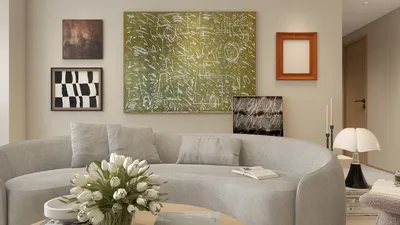


I once transformed a small rental bedroom into a cozy sanctuary with a dramatic charcoal color based on a client’s suggestion — however, we almost lost all natural light in the process. After a late-night mix-up that required a quick repaint, I realized that small rooms demand careful attention: the wrong color can highlight every flaw, yet the perfect shade can create a truly magical effect. To ensure the final appearance meets your expectations, consider visualizing bedrooms in 3D using tools like Homestyler, which allows for quick idea testing.
Soft neutrals with warm undertones
For compact bedrooms, my top choice is always a soft warm neutral — think shades like cozy ivory, gentle greige, or light biscuit. These colors beautifully reflect light without giving off a cold feel, complement wooden elements wonderfully, and mask minor imperfections better than stark white can. The slight warmth prevents the space from feeling sterile, though be mindful of using overly yellow light bulbs, which can push these neutrals too warm.
save pin
Pale pastels for a breathable, modern vibe
Pale hues like blush, powder blue, or mint can infuse a small room with an airy, stylish atmosphere. For instance, I applied a muted blush in a client's 9 sqm bedroom, and it gave an illusion of spaciousness far beyond its actual measurements. The key is to keep the saturation low, making the tone appear more like light than color. However, pastels may show scuffs more easily, so opting for washable paint can add durability to your design.
save pin
Muted greens and blues for calm depth
Colors such as sage, dusty teal, or soft slate blue introduce depth without making the room feel smaller. They promote a serene atmosphere, which is ideal for bedrooms, especially in spaces with ample natural light. If you wish to explore different tones in your layout prior to painting, tools like Homestyler can help you preview colors on your room's layout and see how light alters the effect.
save pin
Monochrome layers with light accents
Using varying shades of a single color (such as three tones of warm gray) can enrich a room without overwhelming it visually. I frequently style smaller bedrooms this way: choosing a darker shade for the floors, a mid-tone for the walls, and the lightest hue for the ceiling — this technique can create a sense of height. It is budget-friendly and forgiving, especially when you stick to standard paint lines, although monochromatic designs require texture (through rugs and cushions) to avoid looking flat.
save pin
Accent wall and strategic contrast
Rather than painting all walls, consider creating a striking accent wall behind the bed using a deep, grounding color while leaving the remaining walls light. For example, I executed this in a client's shoebox apartment, where a deep navy headboard wall transformed the bed into a cozy island, while lighter walls maintained an open feel. The key challenge is scale — a dark accent wall can overwhelm, so always test swatches first, and utilize Homestyler to create a custom floor plan or mockup to analyze proportions.
save pin
FAQ
Q1: What is the single best color choice for a small bedroom?
There's no one-size-fits-all option, but soft warm neutrals often serve as the best starting point because they reflect light effectively and pair harmoniously with various color schemes. They offer flexibility and accommodate changes in décor effortlessly.
Q2: Do dark colors always make a small room feel smaller?
While dark colors can create a sense of closeness, when applied strategically (as an accent wall, ceiling, or trim), they can infuse depth and a feeling of intimacy without closing off the space entirely.
Q3: Should the ceiling match the color of the walls in a small room?
Typically, painting the ceiling a lighter shade than the walls helps open up the space. A slightly darker ceiling may create a cozier vibe but could also make the room feel lower.
Q4: Are warm or cool tones better for small spaces?
Both tones have their merits — warm shades make a room feel inviting, while cool tones create a calming effect. Your lighting should guide your choice: north-facing rooms often benefit from warm colors, and south-facing spaces can accommodate cooler shades well.
Q5: How much does lighting affect bedroom color?
Significantly. Both natural and artificial light alter how a color appears; always test paint samples at different times of day on at least two walls before making a final decision. For insights on color science, refer to Sherwin-Williams on light and color: https://www.sherwin-williams.com/homeowners/color/find-and-explore-colors.
Q6: Can I use bold patterns in a small bedroom?
Absolutely, but scale is key: choose smaller, subtle patterns or incorporate bold designs through textiles rather than full wallpapering. This approach keeps the room engaging without it feeling overbearing.
Q7: How to choose trim and door colors for a tiny bedroom?
Keep trim either in the same light hue as the walls or opt for a crisp white to frame the room effectively. High-gloss white trim delivers a fresh feel, but matte finishes may better hide wear and tear, particularly in rental scenarios.
Q8: Any budget tips for experimenting with colors?
Utilize sample pots to paint a 1m² panel or apply large peelable swatches. Always test these at different times of day; lighting conditions and existing furniture can significantly influence the ultimate look more than the paint description.
save pin
Discover your creative potential with Homestyler, the ultimate online home design platform. Its user-friendly design tool, stunning 3D renderings, and a wealth of DIY video tutorials empower you to transform your space effortlessly. Start designing your dream home today!
立即免费设计
































