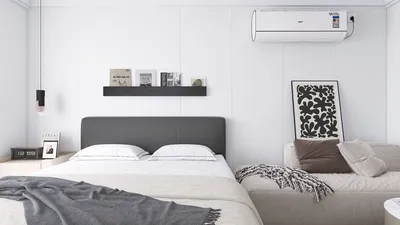


I once worked with a client who insisted that their bed should face east, rooted in a family story claiming it would enhance their dreams. After adjusting the bed's position and dedicating a night to perfecting the symmetry, we ultimately arrived at a layout they fell in love with. This experience taught me two valuable lessons: clients have a clear sense of their comforts, and even minor adjustments can make a significant difference. To quickly visualize potential layouts, I suggest starting with a sketch of various options and being willing to edit them intensely.
Limited space can ignite immense creativity, and here I'm excited to share five practical bedroom decorating ideas that I've frequently implemented. These strategies are budget-friendly and draw from real-life projects where clever design made all the difference.
1. Create defined areas with rugs and lighting
I frequently employ a combination of rugs and layered lighting to delineate different areas in a bedroom—sleeping, dressing, and reading zones. This approach is cost-effective and instantly gives the room a curated feel, although rugs might pose a tripping risk in narrow spaces, so be sure to measure before making any purchases.
save pin
2. Opt for a multifunctional headboard
In a small studio I designed years ago, the headboard incorporated shelves and a bedside lamp—maximizing floor space while giving a custom look. While this might restrict future furniture changes, the benefits of extra storage and unique shapes are well worth it in compact rooms.
save pin
3. Utilize vertical storage and smart closets
When dealing with limited floor space, I tend to build upward: employing tall shelving units, hooks, and slim wardrobes to keep clutter off the floor while creating a sense of height in the room. To effectively plan out where each drawer will go, I recommend drafting a room diagram to visualize how elements will fit before making any purchases.
save pin
4. Select a restrained color scheme with an accent hue
I prefer a soothing base of muted greys, warm whites, or soft greens paired with a singular accent color in throw pillows or artwork. This approach minimizes visual chaos and creates a restful atmosphere. However, some clients enjoy a more eclectic vibe; if you prefer more patterns, consider introducing them through smaller, interchangeable elements.
save pin
5. Make use of mirrors and 3D modeling tools
Mirrors can reflect light and make a petite bedroom feel larger, while planning tools help avoid incorrect placements. To accurately visualize your space before moving furniture, consider leveraging 3D modeling tools like Homestyler to test scales and sight lines—these resources can be incredibly advantageous, even if digital renderings can sometimes present an idealized version of reality.
save pin
FAQ
Q1: What’s the simplest method to make a small bedroom appear larger?
Utilize a light, cohesive color palette, incorporate mirrors, and maintain a clear floor space. Minimal, visible storage solutions and the presence of vertical lines can significantly enhance the perception of space.
Q2: How can I determine the right bed size?
Start by measuring clear pathways; ideally, leave at least 60–75 cm (24–30 inches) around the bed. In tight quarters, a full/double bed often offers a better balance between comfort and spatial efficiency compared to a queen.
Q3: Are dark colors unsuitable for bedroom walls?
Not at all—dark walls can create a cozy and cinematic environment when combined with appropriate lighting and lighter textiles. While they tend to conceal imperfections, they can make very small rooms feel cramped if reflective surfaces aren’t added.
Q4: How much storage is ideal for a bedroom?
Sufficient storage should conceal everyday items from view and store seasonal belongings elsewhere; think in terms of wardrobes combined with some hidden drawers. Excessive visible storage can lead to clutter, so I always advocate for closed storage solutions in small spaces.
Q5: Can plants be a part of my bedroom decor?
Absolutely, small low-light plants like snake plants or pothos can enhance vitality and purify the air. However, don't go overboard—one or two well-placed plants can be more visually appealing than an overgrown jungle in a limited area.
Q6: What types of lighting layers should I incorporate?
Combine ambient lighting (such as ceiling fixtures), task lighting (for reading), and accent lighting (like wall or floor lamps) to control the ambiance and functionality of the space. Having dimmable lights can be particularly beneficial in bedrooms.
Q7: How can I ensure my bedroom is conducive to sleep?
Limit the use of electronics, manage light with blackout curtains, and maintain a cool and tranquil environment. For evidence-based recommendations on bedroom settings and sleep, check out the National Sleep Foundation (https://www.sleepfoundation.org).
Q8: Should I hire a designer for a small bedroom project?
If you're pressed for time or want to maximize every inch of your space, collaborating with a designer can prevent costly mistakes and provide tailored storage solutions. A single hour of consultation could transform your approach and minimize expensive trial-and-error.
save pin
Homestyler is a fantastic online home design platform that makes creating your dream space a breeze. With its user-friendly design tool, stunning 3D renderings, and an array of inspiring design projects and video tutorials, you'll have everything you need to bring your vision to life effortlessly.
Projete agora para LIVRE
































