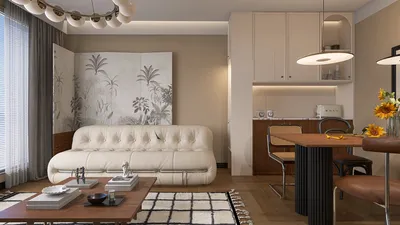


Sliding barn door mirrors are ideal for adding depth and a tactile focal point to smaller spaces. By integrating a full-length mirror with a slim sliding track and a rustic door design, you create a multifunctional piece that not only reflects light but also conserves swing space and enhances the visual rhythm of the room. In compact homes where every square foot counts, a barn door mirror can significantly expand the perceived space by reflecting brighter areas and sightlines while maintaining unobstructed circulation.
When it comes to decorative installations, both light quality and ergonomics play a crucial role. The WELL v2 standards recommend achieving optimal illuminance to ensure clarity in tasks, with the Illuminating Engineering Society (IES) suggesting a baseline of 150–300 lux for general ambient lighting in residences, and 500 lux specifically for grooming tasks near mirrors. Installing your barn door mirror alongside a dimmable lighting fixture of 3000–3500K can help minimize harsh shadows and maintain color accuracy. Research by Steelcase supports that individuals in well-lit environments with controlled glare report greater comfort and better focus, thereby improving daily activities around vanities and hallways. For comprehensive information on lighting and comfort, explore guidelines from IES and WELL v2.
In addition to lighting considerations, the form and function of the mirror significantly influence its efficacy in small layouts. The sliding hardware mechanism removes the swing arc found in traditional hinged doors, freeing up an additional 6–10 square feet of usable floor space in tight areas. The mirror's reflective surface essentially doubles the visual boundary, enhancing views and balancing the composition throughout the room. When placed against a traffic wall or used to conceal a petite storage niche, you achieve a clean aesthetic during the day while retaining easy access when necessary, effectively managing clutter in compact apartments.
Design Intent: Achieving a Balance of Function, Light, and Texture
My goal is to create a soothing backdrop characterized by a textured reveal. A narrow stile-and-rail wooden front (with 3–4 inch stiles and 2–3 inch rails) encapsulates a full-length mirror inset, delivering a warm tactile feel without cumbersome bulk. In narrow entryways, I opt for lighter woods (such as oak, ash, or FSC-certified pine) finished with matte or low-sheen coatings to reduce glare. The mirror should be positioned to align with average eye levels—typically around 58–60 inches from the finished floor—to accommodate a diverse user range. Keep the overall thickness of the door between 1–1.25 inches to minimize the extension from the wall and prevent overcrowding.
Layout and Placement Strategy
Place your barn door mirror strategically to capture available light—ideally opposite or diagonally from a window—while avoiding direct glare. Maintain a minimum of 2 inches of clearance between the mirror's edge and nearby vertical surfaces to avoid accidental bumps. In hallways narrower than 36 inches, mount the track above the opening and consider low-profile hangers to ensure adequate clearances. If you are planning layouts or evaluating traffic flows in a studio or entry area, utilizing a room design tool can effectively help visualize sliding paths and reflections before you proceed with drilling.
room design tool
Dimensions That Fit Tight Spaces
For compact apartments, a barn door mirror measuring 24–30 inches wide by 72–80 inches tall provides a full-length reflection without overwhelming the wall. Ensure there is at least a 1 inch gap between the door edge and the wall to prevent scraping. The track length should ideally be 1.5–2 times the width of the door to guarantee complete visibility. When covering a closet or a shallow shelf, confirm that the total travel fully clears the opening without leaving partial access that might encourage clutter.
Materials and Finish: Rustic, Refined, or Minimalist
Wood: Choose solid oak or ash for robustness; opt for poplar or pine for budget-friendly options. Seek FSC certification and low-VOC finishes for improved indoor air quality. Finish with a matte polyurethane or hardwax oil to resist fingerprints. Metal: Use powder-coated steel or anodized aluminum tracks, with nylon-coated wheels for smoother operation. Mirrors: Select tempered safety mirrors or apply a backing film for additional protection; beveled edges can provide a subtle light division that deepens visual appeal. Hardware: Aim for concealed fasteners and anti-jump brackets for enhanced stability, particularly in residences susceptible to vibration (such as near transit lines or communal corridors).
Color Psychology and Visual Balance
The mirror serves to amplify the colors around it. Soft neutral tones paired with 3000K lighting temperatures help reduce visual fatigue while ensuring skin tones remain natural. If the barn door face is dark (like charcoal or espresso), it’s important to balance it with lighter wall colors to prevent a void effect. Warm mid-tones—such as clay, sand, or light oak—create an inviting atmosphere and work well with brushed brass or matte black hardware. A single accent stripe or inlay can establish vertical rhythm without causing visual clutter.
Acoustic and Glide Comfort
Poor assembly may lead to sliding doors that click, rattle, or hum. To remedy this, attach a felt or rubber bumper at terminal points and incorporate a soft-close damper to prevent slamming. Nylon wheels installed on a continuous track can minimize sound resonance; ensure that mounting fasteners align with studs spaced 16 inches apart. If the mirror is positioned in a hard-floored hallway, consider placing a small runner rug to absorb sound energy and reduce echoes caused by foot traffic.
Safety and Mounting Guidelines
Before drilling, locate and mark studs. Utilize lag bolts that match your track specifications (generally ranging from 1/4 to 3/8 inch in diameter, with a length determined by wall type). If you're using anchors on drywall, make sure their load ratings surpass the full weight of the door by twofold. Apply safety film to the back of the mirror or choose tempered glass for added protection. Ensure there’s enough finger clearance at the pulls—recessed pulls are best when doors are positioned close to adjacent walls. Incorporate floor guides to keep lateral movement in check.
Step-by-Step Build Guide
1) Measure the opening and wall run, confirming the travel distance and track length. 2) Cut and assemble the door front: a stile-and-rail frame or a single slab with trim. 3) Secure the mirror using appropriate backing: a combination of structural adhesive and mechanical clips or a routed recess in a plywood core. 4) Finish the wood, allowing ample curing time to prevent off-gassing onto the mirror. 5) Attach the track to sturdy studs; ensure it's level. 6) Hang the door with anti-jump brackets and test its glide. 7) Install the floor guide and soft-close kit. 8) Adjust pulls and seals, checking clearances and safety stops.
Ideal Applications
Entryways where quick glances before leaving are invaluable. Bedrooms with insufficient space for conventional hinged closet doors. Studio apartments where a singular element must fulfill multiple roles: reflecting light, concealing storage, and adding tactile interest. Bathrooms with adequate ventilation can benefit from barn door mirrors located outside wet areas—keep them out of direct shower sprays while ensuring privacy needs are met.
Maintenance and Durability
Inspect and clean the track monthly; dust accumulation can act as abrasive material. For mirrors, use a non-ammonia cleaning solution and a microfiber cloth. Regularly tighten hardware—every six months is ideal. If a natural oil finish was applied, plan for an annual refresh. Watch for bubbles and edges on the safety film; replace it if damaged. A well-constructed unit should glide smoothly and remain aligned for many years.
Frequently Asked Questions
Plan for a track length that is 1.5–2 times the door width, ensuring a minimum clearance of 1 inch between the wall and the travel path. Keep the flooring flush to avoid snagging the guides.
Aim for 300–500 lux at face height in the 3000–3500K color temperature range. Diffuse lighting helps avoid harsh shadows on the cheeks and jawline.
Yes, it’s highly recommended. If utilizing a standard mirror, add a safety backing film to mitigate risks in the event of breakage.
Absolutely—by reflecting lighter areas and broadening sightlines. Ensure it's placed to capture the longest view while avoiding cluttered reflections.
Use heavy-duty anchors rated higher than the door’s full weight, although studs remain the preferred method for optimal safety and stability.
Opt for matte or low-sheen wood finishes and brushed metal hardware to minimize fingerprint visibility. Keep a microfiber cloth available for quick clean-ups.
Select nylon wheels, incorporate felt bumpers, and install a soft-close kit to ensure a quiet glide. Verify correct alignment of the floor guide to prevent lateral noise.
Apply sealed finishes and keep the door positioned away from direct wet zones. Ensure proper ventilation; avoid placing mirrors where condensation accumulates heavily.
Recessed or low-profile edge pulls can protect fingers and keep the door from snagging clothing in tight corridors.
Definitely. Ensure that shelf depths allow clearance for the door's backside and use full travel to entirely reveal the opening without leaving partial access points.
Aiming for a height of around 58–60 inches from the finished floor accommodates most users and aligns well with typical eye levels in compact spaces.
Powder-coated steel is scratch-resistant, whereas anodized aluminum offers lightweight and corrosion-resistant options—select based on aesthetic and setting.
Homestyler is your go-to online home design platform! With its user-friendly design tool, stunning 3D renderings, an array of design projects, and helpful video tutorials, you can effortlessly create and visualize your dream home. Dive into a world of inspiration today!
Concevez maintenant gratuitement
































