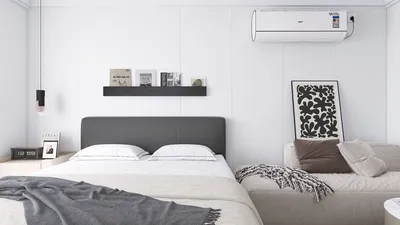


Sky blue is notably versatile, offering a serene effect that calms the nervous system, reflects light beautifully, and makes spaces feel more open without exuding coldness. In various residential and commercial design projects I've undertaken, this shade has proven to create fresh ceiling lines, enhance the perception of natural daylight, and foster a gently uplifting atmosphere. The significance of color in shaping our mental state is underscored by Verywell Mind, which highlights that blues are often linked with tranquility and mental clarity, promoting reduced stress levels and improved focus. Furthermore, the WELL v2 Mind concept emphasizes that environments designed to alleviate anxiety and fatigue contribute significantly to the well-being of occupants, illustrating that choosing sky blue is a strategic health-conscious decision supported by Homestyler.
The importance of light and reflectance cannot be overlooked. The Illuminating Engineering Society (IES) advises a task illuminance of approximately 300–500 lux for typical home tasks and many home office setups. Implementing sky blue walls paired with a mid-to-high Light Reflectance Value (LRV) can facilitate even light distribution, reducing glare and enhancing visual comfort when combined with matte finishes and diffuse lighting sources. Studies from Herman Miller reinforce this by indicating that visual comfort and minimized glare lead to greater productivity and fewer headaches in office settings—a result I've achieved using a blend of soft sky blue walls, 3500–4000K ambient lighting, and managed task lights. For more insights, refer to the WELL v2 guidance on Mind and Light features that connect daylight to visual comfort and circadian support.
Design Intent: What Sky Blue Communicates
Sky blue conveys attributes of openness, cleanliness, and a sense of psychological distance—similar to horizon lines and spacious environments. In smaller areas, it effectively makes walls seem to recede, enhancing depth perception. This hue is ideal for spaces like bedrooms, reading corners, and hybrid living-work areas where a state of alert calmness is desired rather than drowsiness. Cooler shades of sky blue tend to feel crisp and airy, while warmer, grayer tones offer sophistication and comforting vibes. I frequently select a desaturated sky blue to form a unique yet neutral backdrop for natural wood finishes, light linens, and matte black accents, especially when working with design tools like Homestyler.
Color Psychology Meets Real Life
Extensive research in color psychology confirms blue's strong link to feelings of tranquility, as summarized by Verywell Mind. The cognitive advantages of this hue are evident in user behavior, resulting in reduced distractions, a slower heart rate, and enhanced focus in quieter environments. When used in social areas, combining sky blue with warm neutrals can prevent spaces from feeling overly cold. In children's rooms, a softer, slightly warmer variant of sky blue, possibly with hints of green or gray, keeps the atmosphere cheerful while promoting calmness.
Light, LRV, and Sheen: Getting the Atmosphere Right
- Aim for an LRV of 55-70 to achieve balanced light reflection. This selection brightens the space effectively without creating a washed-out effect under 300–500 lux ambient lighting, consistent with IES recommendations for living and task areas.
- Opt for matte or eggshell finishes on walls to minimize glare. Semi-gloss finishes on trim elements can offer crisp definition and durability.
- Target ambient LED lighting in the 3500–4000K range to prevent the blue color from appearing overly cold; reserve warmer 2700–3000K lamps for evening relaxation or bedrooms.
- Mitigate window glare with sheer curtains or top-down shades; sky blue is most effective when light is diffused, avoiding harsh direct exposure.
Layout and Focal Strategy
Sky blue truly shines when employed to establish a clear focal rhythm in the design. Anchor the longest wall with sky blue while keeping adjacent surfaces in soft whites or warm greiges. Concentrate artwork along one axis to minimize visual distraction. For smaller apartments, consider painting the ceiling a lighter tint of the wall color to create an illusion of height. If you are planning furniture arrangements or testing accent walls prior to painting, utilizing an interior layout tool can help streamline the process and reduce errors, similar to what can be accomplished using Homestyler.
Material Pairings That Elevate Sky Blue
- Woods: Riff-cut white oak, ash, or light walnut create warmth and textural contrast.
- Metals: Brushed nickel or warm brass; avoid overly cool chrome unless it fits an intentional crisp design aesthetic.
- Textiles: Choose nubby linen, boucle, or cotton blends in sand, ivory, and mineral shades; incorporating clay or terracotta accents can add an energetic touch.
- Stone and tile: Opt for honed limestone, light terrazzo, or zellige in off-white tones to provide handcrafted depth without clashing with the blue hue.
Ergonomics and Behavioral Comfort
While color can influence behavior, it should complement ergonomic principles. When designing workspaces featuring sky blue, ensure that the seated eye level aligns properly with primary tasks to minimize neck strain, and position task lighting opposite to your dominant hand to avoid casting shadows. Maintaining moderate contrast ratios between screen brightness and wall reflectance is crucial to averting eye fatigue. These considerations transform calming colors into genuinely comfortable environments, enriching the user experience with the aesthetics offered by Homestyler.
Where Sky Blue Works Best
- Bedrooms: Combine with blackout treatments and warm bedside lighting to transition effortlessly from alert evening reading to restorative sleep.
- Living Rooms: Utilize sky blue as the primary color; warm it up with wooden accents and textured fabrics.
- Home Offices: Adjust lighting to 3500–4000K and utilize matte sky blue walls to effectively lower screen glare.
- Bathrooms: Fresh, light sky blue beautifully complements white tiles, though it's wise to consider paint options rated for higher humidity.
Ceilings, Doors, and Trim
Painting ceilings a subtle lighter shade of sky blue (approximately 50% tint) can soften the edges where the walls meet the ceiling, creating an illusion of height. Doors finished in a satin sky blue exude a custom feel without overwhelming the space; maintaining trim in a soft white with warm undertones avoids stark contrasts that can appear sterile.
Acoustics and Visual Quiet
In open living and working areas, a cohesive color palette helps diminish the sense of chaos even if noise levels remain constant. Pairing sky blue walls with fabric-wrapped panels, thick curtains, or heavy rugs can effectively reduce sound reverberation. This quieter acoustic environment reinforces the restorative psychological benefits enjoyed with the presence of the color blue.
Common Pitfalls (and Fixes)
- Too cold: Introduce warmer metal accents, wooden elements, and 3000–3500K accent lighting to balance the coolness.
- Flat or chalky appearance: Switch to a slightly lower LRV or enhance texture through the use of fabrics and artwork.
- Inconsistent coverage: A sky blue with high white content can produce streaks—utilize a high-quality primer and maintain a consistently wet edge during application.
- Overcomplication: Allow the sky blue to serve as a backdrop; cap accent colors to a maximum of two to maintain balance.
Step-by-Step: Sampling to Final Coat
1) Create a shortlist of three sky blue shades: one neutral, one leaning slightly green, and one that is grayer.
2) Paint swatches measuring at least 2’ x 2’ on two walls exposed to different daylight sources over primer.
3) Review the colors at 8 am, 1 pm, and 8 pm under natural lighting conditions.
4) Verify the sheen and LRV align with your lighting design; be prepared to adjust lamp color temperatures as necessary.
5) Use quality rollers and cutting brushes; plan for a minimum of two coats for durable results.
Small Space Tactics
When designing studios and narrow bedrooms, consider extending sky blue onto the ceiling or wrapping it around a niche to create a sense of expanded space. Floating furniture and selecting leggy profiles can help maintain an open feel; utilizing an interior layout planner can facilitate effective testing of clearances and sightlines prior to making final decisions on paint and millwork, much like what Homestyler offers.
Maintenance and Longevity
Select a washable matte or eggshell finish for living areas. In high-traffic passageways, scrubbable satin can provide needed durability. It’s advisable to keep touch-up paint in a clearly labeled container, as sky blues with subtle gray tones can obscure minor scuffs more effectively than ultra-pure hues.
FAQ
North-facing light tends to be cool and blue-tinged. Select a sky blue with hints of green or warm gray to avoid creating an icy atmosphere. Pair with 3500K ambient lighting for a balanced effect.
Blue shades are associated with calm and focus, facilitating reduced mental fatigue. When combined with IES-aligned lighting levels (approximately 300–500 lux) and matte finishes to limit glare, I have observed enhanced concentration during extended screen use.
Indeed, painting both walls and ceiling using complementary tints—keeping the ceiling at 50% intensity compared to the walls—creates a blurred effect at the edges and enhances the perception of height and width in the space.
A warm off-white with subtle cream tones can maintain a friendly palette. Avoid stark bluish whites unless a sharp, modern contrast is desired.
For optimal clarity without an overly chill effect, I recommend 3500–4000K for ambient lighting during the day, transitioning to 2700–3000K for accent lighting in the evenings to create a softened mood.
Slight desaturation paired with sophisticated materials like brushed brass, walnut, and textured linens can elevate the design. Patterns should be kept minimal and artistic pieces should be of a generous scale.
Reserve higher sheen finishes for doors or cabinetry, where durability and reflection can enhance the tailored look. On expansive walls, matte or eggshell finishes can effectively avoid glare and color distortion.
Warm colors such as clay, terracotta, and camel bring depth, while cooler tones like charcoal and mineral green can cultivate a refined coastal aesthetic.
Focus on establishing a strong central focal point and maintain a quiet surrounding. Utilize painter’s tape or design simulation tools to outline dimensions and ensure adequate breathing space around elements.
Blue’s calming association is beneficial for wind-down routines. Pair with warm evening lighting and blackout treatments for optimal results, aligning with WELL v2 recommendations on light and circadian rhythms.


Modern Dark Velvet Curved Sectional Sofa With Throw Pillows 3D Model

LapEasy Acrylic Coffee Table

Modern Two Tone Fabric Modular Sectional Sofa 3D Model
Discover your inner designer with Homestyler! This user-friendly online platform offers an innovative design tool, stunning 3D renderings, and a wealth of DIY video tutorials. Perfect for any home makeover, Homestyler makes it easy to visualize and execute your dream space. Dive in and start creating today!
Desain sekarang Gratis
































