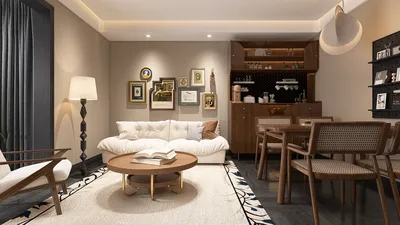


The calming properties of sky blue extend beyond mere aesthetics; they can significantly enhance the ambiance of a space. This hue not only soothes heart rates but also helps make small areas appear larger while elegantly diffusing light when appropriately paired. Recent surveys show that 43% of professionals prefer blue hues for work zones, and research by Steelcase indicates that blue palettes are often associated with lower cognitive strain in workspace settings. According to the WELL v2 framework, visual comfort and color harmony are imperative elements within a healthy interior. The careful management of color and light is vital for maintaining comfort and alertness, reaffirming the significance of balanced chromatic schemes and glare reduction (refer to WELL v2 concepts focusing on Light and Mind). These professional insights highlight my observations in both residential and compact studio designs, where a carefully orchestrated sky blue color scheme fosters positive moods while ensuring a spacious feel.
The psychological benefits of color support the tranquil nature of blue. Research compiled by Verywell Mind suggests that cooler blue tones are linked to feelings of calmness, trust, and reduced stress—traits that are particularly beneficial for spaces intended for relaxation, such as bedrooms and reading areas. Additionally, lighting guidelines by the IES recommend task illumination levels ranging between 300 and 500 lux for living spaces and home offices; when light interacts with matte or eggshell sky blue walls, the environment maintains clarity without the distracting reflections produced by glossier finishes. These findings heavily inform my daily color selections, especially when balancing soft blue shades with warmer accent materials.
Prior to finalizing a color palette, I assess the room’s natural light flow—considering daylight orientation, ceiling height, and the activities planned for each space. For instances where northern light predominates, I often mix sky blue with warm neutrals to counterbalance the chill; conversely, southern exposure enhances saturation, allowing for bolder contrasts. When redesigning spaces—like merging a living room with an adjoining dining area—simulation tools play a crucial role in visualizing the interplay of color adjacency, proportions, and potential glare issues. If you’re planning to adjust furniture or room dividers, using a layout tool like Homestyler can be incredibly effective in experimenting with color zoning and sightlines.
Key Design Guidelines for Incorporating Sky Blue
• Spatial Expansion: Sky blue can visually expand walls, an advantageous quality for cramped bedrooms or tight hallways.
• User Experience: In areas aimed at focus, I typically blend sky blue with tactile warm accents to ensure the space feels inviting rather than cold. Utilizing ergonomic lighting at 4000K to 5000K promotes alertness, while lower temperatures of 2700K to 3000K are suited for winding down in bedrooms.
• Material Pairing: Sky blue complements materials like natural wood, linen, and stone exceptionally well. The textures of these elements diffuse light softly, decreasing glare while adding richness to the space.
• Sound Comfort: Stark, light surfaces can magnify both brightness and sound. Balance this effect with textured wool rugs, upholstered panels, or acoustic art to manage sound reverberation, particularly in open living areas.
Sky Blue Combined with Warm Neutrals
Coordinate sky blue walls with warm whites (such as creamy shades rather than harsh whites) alongside light oak or rift-cut ash. The warmth from these wooden elements grounds the coolness of blue, while accents in brushed brass or antique bronze introduce a subtle luster. In well-lit spaces, opt for ceilings that are slightly warmer than the walls to avoid a clinical atmosphere and ensure a unified vertical gradient.
Sky Blue Matched with Charcoal and Sand
For a contemporary, graphic aesthetic, pair sky blue with a charcoal sofa and sand-colored area rug. This combination provides a solid foundation for the palette, preventing the room from feeling excessively airy. Incorporate matte black picture frames or minimalist lamps as highlights in the design; ensure that reflective surfaces are limited to a few accents to avoid overly bright spots.
Sky Blue in Harmony with Terracotta and Linen
Earthy terracotta planters, ceramics, or terracotta-toned throws create a bridge between cool and warm tones. Linen drapery in natural or wheat-like tones softens boundaries and filters light; choosing a moderately open weave prevents harsh contrasts on the walls.
Sky Blue Coupled with Blush and Natural Walnut
This combination offers a soft yet elegant look that's perfect for bedrooms or nurseries. A blush-upholstered bench and walnut nightstands contribute to visual rhythm. Keeping the blush accents under 20% in the design avoids overwhelming the space, allowing blue to remain the main color anchor.
Sky Blue with Mustard Highlights
In social environments, mustard-colored throw pillows, ochre-accented artwork, or reading chairs infuse a burst of energy, which is particularly useful in living rooms or creative studios. It's essential to keep this balanced, following a ratio of 70% sky blue, 20% warm neutrals, and 10% mustard to avoid overwhelming stimulation.
Sky Blue in Kitchens and Dining Areas
Implementing sky blue for lower kitchen cabinets complemented by warm white upper cabinets can visually ease the cooking process. Details in brass or brushed nickel hardware alongside honed marble or quartzite countertops add a tactile contrast. Under-cabinet lighting set at 3000K (with a brightness of 350–500 lux) ensures colors remain true during food preparation. Utilize wooden stools or a woven runner for added texture and sound absorption.
Sky Blue for Bathrooms
In compact bathrooms, apply sky blue on the upper walls with a mid-tone stone or porcelain on the lower section to manage splashes while providing a solid base. High-CRI (90+) LED lights near mirrors keep skin tones accurate. Utilize satin finishes on the millwork to achieve a balance between maintainability and glare control, while large-format tiles minimize grout lines and visual clutter.
Sky Blue in Bedrooms
To promote restful sleep, favor lower CCT lighting (2700K–3000K) and layer a matte sky blue wall with heavy linen blackout curtains. For north-facing rooms, warm wood side tables and caramel leather handles can warm the overall cooler light exposure. Keeping accent colors subdued (like sage or wheat) helps maintain an environment conducive to relaxation.
Sky Blue in Home Offices
Sky blue encourages concentration when paired with clean whites and a well-organized desk setup. Keep walls matte to reduce screen glare. Task lighting set at 4000K with 500 lux at the work surface aligns with IES recommendations for effective home office environments. Incorporating a wool runner or an acoustic panel behind the monitor can help mitigate reflections and enhance audio quality during calls.
Ceilings, Trims, and Proportion Considerations
Painting ceilings a half-tone lighter than the sky blue can enhance the perception of verticality without overwhelming the room. For lower ceilings, aligning crown moldings with the ceiling color helps avoid horizontal breaks. Baseboards can match warm neutral tones from your palette to visually anchor the space.
Finishing Touches and Sheen
• Walls: Opt for matte or eggshell finishes for soft reflectance and diminished glare.
• Trim and doors: Select satin for durability and well-defined shadow lines.
• Cabinets: A satin or semi-matte polyurethane finish works best for ease of cleaning in kitchens and bathrooms.
• Metals: Use brushed or patinated finishes to avoid mirror-like reflections on light-colored walls.
Daylight and Glare Management
Sky blue can appear intensified under strong sunlight. Employing light-filtering shades helps soften harsh sunlight and prevents glaring highlights on reflective surfaces. In rooms that receive northern light, strategically placing mirrors across from windows can enhance daylight levels without resorting to brighter paint colors; select warm frames to balance out the cool reflections.
Textiles and Patterns
In smaller rooms, consider introducing patterns through area rugs and decorative pillows instead of wall coverings. Textures like herringbone, small geometric patterns, and boucle fabrics offer tactile interest without overwhelming the visual space. If patterned wallpaper is a must-have, consider limiting it to an accent wall to preserve the open feel that sky blue creates.
Arrangement and Visual Flow
Proper furniture arrangement should reinforce your color narrative. Keep large furnishings (such as sofas or beds) in neutral or complementary wood tones, allowing the sky blue walls to define the room’s perimeter. If you're exploring new layouts, especially in open-plan designs, utilizing a layout simulation tool like Homestyler can seamlessly preview traffic flow, focal points, and balance in color weight before settling on a purchase or paint decision.
Common Mistakes to Avoid
• Relaying too heavily on cool metallics: an excess of chrome or polished steel elements may create a sterile impression in the room.
• Utilizing high-gloss sky blue walls: this approach tends to amplify glare and cause color shifts throughout the day.
• Overlooking acoustic considerations: the combination of soft colors with hard surfaces can increase reverberation; counteract this with the addition of textiles.
• Lack of warm balance: even a solitary wooden feature can restore warmth to the design equilibrium.
Reliable References for Performance
For more comprehensive design performance guidelines, I refer to IES recommendations regarding residential lighting and glare considerations, alongside WELL v2’s Light/Mind principles that integrate color, visual comfort, and wellness within interior settings.
FAQ
A balanced mix of warm whites, light oak, sand, and brushed brass creates a soothing atmosphere. Introduce a single deeper tone—like charcoal or walnut—for added depth without compromising airiness.
Indeed. Lighter, cooler shades have a receding effect, creating an illusion of more space behind the walls. Ensure finishes are matte and avoid high-contrast patterns to maintain the sense of openness.
For evening relaxation, utilize 2700K–3000K lighting for warmth. For work areas and home offices, 4000K maintains clarity and alertness while accentuating the blue tones.
Introduce warm elements—such as oak, walnut, or rattan—and plush textiles like linen or wool. Opt for warm white bulbs in ambient settings while reserving cooler lights for task areas.
Absolutely. Implement it in lower cabinets or as backsplash against warm upper units and wooden features. Provide 3000K under-cabinet lighting (350–500 lux) to ensure accurate color representation on food prep surfaces.
For walls, utilize matte or eggshell finishes to diminish glare; select satin for trim and doors to ensure durability and clean lines. Avoid high gloss on expansive wall areas.
A ratio of 70/20/10 works effectively: 70% sky blue or adjacent neutrals, 20% complementary wood tones or neutrals, and 10% a vibrant accent, like mustard or terracotta.
Blue is often linked with serenity; when paired with low CCT lighting (2700K–3000K) and blackout drapes, it can enhance relaxation routines. Keep vivid highlights minimal near sleeping areas.
Brushed brass, aged bronze, and matte black elements are ideal. Limit the use of highly reflective chrome to avoid glare and cold undertones.
Yes, applying a tone that is half a shade lighter than the wall color can enhance perceived height. For lower ceilings, align crown molding with the ceiling color to prevent visual interruptions.
Northern light carries a cooler quality; pairing it with warm woods, creamy whites, and 2700K lamps can counteract this effect. Consider incorporating terracotta or mustard accents for a touch of warmth.
Paint large swatches and move them around the room throughout the day. Assess the colors under both ambient and task lighting to observe shifts in tone and saturation.

Traditional Velvet Tufted Chesterfield Sofa With Decorative Brass Accents 3D Model

Minimalist Fabric L Shaped Sectional Sofa with Throw Pillows 3D Model

Minimalist Light Blue Fabric L Shaped Sectional Sofa 3D Model
Discover the creativity at your fingertips with Homestyler! This easy-to-use online home design platform allows you to visualize your ideas with stunning 3D rendering, explore diverse design projects, and learn through engaging DIY video tutorials. Transform your space effortlessly and inspire your inner designer today!
تصميم الآن مجانا
































