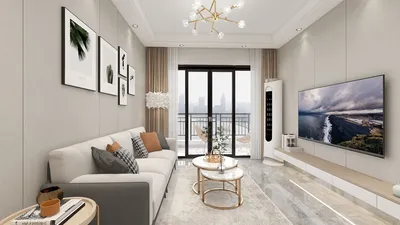


As the years advance, the challenges we face—such as disorganized storage, impractical circulation, and front elevations that provide little insight into our living styles—demand a more cohesive solution. Reports from the NAHB indicate that while the average size of new homes is decreasing, the demand for functionality is on the rise. This is where a single floor house plan, particularly one with a front elevation of 900 sq ft, serves as a true reflection of our daily lives. Utilizing a spatial reasoning toolkit, Homestyler can help transform lifestyle needs into effective layouts and designs.
Linear Spine + Courtyard Pocket
Design Logic: The design incorporates a linear service spine, including the kitchen, bathroom, and laundry along one wall. This layout creates a free-flowing living and sleeping area, with a micro-courtyard adjacent to the front elevation serving as a natural barrier for the evolving dynamics of working from home.
Flow: The pathway from entry to the pocket courtyard leads to a living hub and bedrooms. This parallel spine ensures that utilities are utilized efficiently, resembling a well-structured instruction sequence.
Sightlines: The design features views framed from the door to the garden opening, and captures a diagonal perspective towards the dining area. The user interface layers effectively reduce visual clutter, enhancing depth perception.
Storage: The home features a full-height pantry and corridor niches that serve as convenient storage solutions, allowing for quick access to everyday items while providing deeper retrieval options within under-bench lockers.
Furniture Fit: Furnishings such as an 84–96" sofa, a 30" dining depth, and a queen bed with a 24" clearance on both sides are meticulously arranged; these precise API tolerances minimize movement latency.
Verdict: Five years down the line, this spine and courtyard configuration will maintain high bandwidth, effectively balancing natural light, privacy, and maintenance demands, ensuring sustained relevance.
save pin
Split Zones + Front Flex Bay
Design Logic: The architectural design separates public and private spaces around a front flex bay, which appears as a subtle extension in the elevation. This area is adaptable for potential uses such as a zoom room, reading nook, or even micro-retail space.
Flow: The flow starts from the entry into the flex bay, leading into the living and dining areas, followed by a galley kitchen and ending in the rear sleeping zone. This pathway prioritizes movement through the flex bay to minimize interruptions.
Sightlines: From the entry, a gentle angle permits a view through the flex window to the living area while keeping bedrooms out of immediate sight, thus maintaining the hierarchy of visual information.
Storage: The flex bay features a wall system with modules of 12–16" depth. Additionally, the hallway linen cabinets function similarly to tiered caches with quick access fronts.
Furniture Fit: The arrangement includes 36" of clear circulation, a modular 48" desk in the bay, and two 18" nightstands; this careful calibration enhances a small studio's usability without adding clutter.
Verdict: This front projection not only serves as a subtle advertisement of lifestyle choices but also adapts seamlessly to evolving needs, while the split plan maintains a stable core.
save pin
Center Core + Perimeter Rooms
Design Logic: Featuring a compact center core that integrates the bathroom, mechanical systems, and stacked storage, this design efficiently centralizes utilities and enables perimeter rooms to maximize natural light, creating a rhythmic façade.
Flow: The flow pattern navigates from the entry through the living perimeter, looping into the kitchen and around to the sleeping areas, with circulation wrapping around the core similar to a dependable event loop.
Sightlines: Long views along the front windows and concise views into the core ensure that the information hierarchy is easily understandable from any point within the home.
Storage: The core accommodates deep 24" closets, while perimeter window seats serve as functional storage for daily essentials.
Furniture Fit: Specific measurements include a 30" counter depth, 60" of clear space in the bathroom, and a 42" clearance for dining; each dimension harmonizes with the 900 sq ft constraint like an API agreement.
Verdict: This design topology is scalable—while the front elevation presents a disciplined appearance, the interiors remain flexible, and the core offers predictable maintenance.
save pin
Final Takeaway
Ultimately, a single-floor house plan of 900 sq ft thrives or falters based on how effectively the front elevation conveys functionality and tranquility. When both the façade and internal layout align within a logical framework, designing small homes transforms into a seamless process—compact, clear, and ready for the future. In my observations, the most intelligent homes of tomorrow won’t necessarily be larger; they will simply be more intentional. Consistently, I find that when front clarity is prioritized, it significantly enhances the daily living experience. Utilizing Homestyler can effectively support this goal by visualizing such designs.
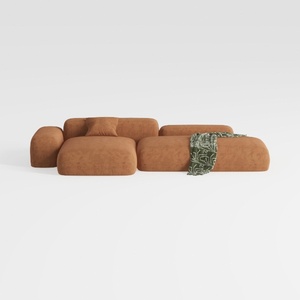
Minimalist Brown Fabric Modular Sectional Sofa 3D Model
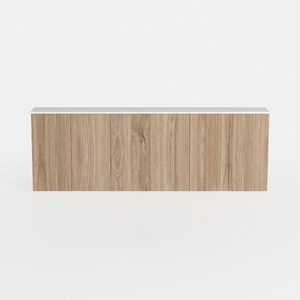
Fluted Sideboard Buffet Cabinet with Storage,
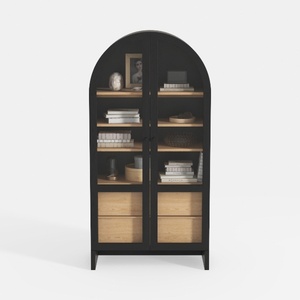
Wood Bookshelf with Adjustable Shelves, 72" Tall
Homestyler is your go-to online home design platform! With its user-friendly design tool, stunning 3D renderings, and inspiring DIY video tutorials, you can effortlessly create and visualize your dream spaces. Transform your home design ideas into reality today!
Desain sekarang Gratis
































