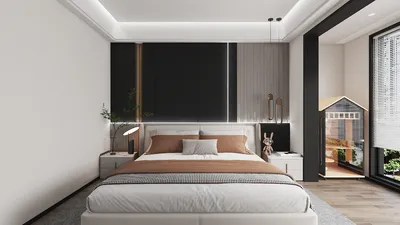


As a professional designer specializing in small spaces, one critical aspect I focus on is selecting the ideal window air conditioning units, which significantly impacts the thermal comfort of compact environments. Choosing the right air conditioner involves balancing cooling capacity, sound levels, and energy efficiency, all while ensuring the unit does not dominate the limited space. For small bedrooms, home offices, or studio areas, I seek models that are appropriately sized, operate quietly, and feature controls that align with daily routines. Utilizing tools like Homestyler can further enhance my design process by visualizing how these units will fit and perform within different layouts.
Precise Sizing for Optimal Comfort
It’s essential for cooling capacity to be well-matched to the dimensions and heat load of the room. Research from Steelcase emphasizes that thermal discomfort is a major factor contributing to productivity declines in work environments, highlighting the need for properly sized air conditioning systems. The WELL v2 standards advocate for thermal comfort and user control as vital elements of health and efficiency. For compact spaces ranging from 100 to 250 square feet, air conditioning units with a capacity of 5,000 to 8,000 BTUs are generally suitable, though locations with high sunlight exposure or substantial electronic equipment may necessitate a higher capacity. I prefer units equipped with variable fan speeds and thermostatic controls to maintain a steady operational temperature without excessive cycling.
For additional insights on environmental comfort within workplace settings, you can explore Steelcase Research at steelcase.com/research. To learn more about WELL v2 recommendations on thermal comfort, visit wellcertified.com.
Top Recommendations for Window ACs in Small Rooms
When selecting air conditioning units, I prioritize energy-efficient models that operate quietly and feature user-friendly controls. Instead of aiming for maximum BTUs, I look for units with inverter or variable-speed compressors, as well as high CEER ratings and smart technology that effectively conserve energy.
Ideal for bedrooms under approximately 150 square feet or offices experiencing moderate thermal loads, consider these features:
For spaces measuring between 150 and 250 square feet or those that receive considerable sunlight, focus on these priorities:
When ensuring a good night’s sleep, it is crucial to choose units that advertise low decibel ratings and possess a genuine "quiet" mode. I advise against units that fluctuate abruptly between speeds, as smooth transitions help minimize disruptive noise.
Room Layout, Placement, and Airflow
The performance of an air conditioning unit is influenced not only by the device itself but also by its positioning and airflow. In narrow spaces, directing airflow across the longest axis can help achieve more consistent temperatures throughout the room. For corner installations, it's important to angle the louvers to prevent cold air from returning prematurely to the thermostat. If you're planning furniture arrangements alongside the AC unit, utilizing design tools like Homestyler can assist in visualizing air distribution in relation to seating and work areas.
Light, Color, and Perception of Thermal Comfort
Color and illumination significantly affect our temperature perception. According to insights from Verywell Mind, cooler color palettes (such as blues and greens) tend to induce a calming effect and can subtly enhance the feeling of coolness. Conversely, warm lighting (between 2700-3000K) may appear inviting but can feel warmer, while a neutral-white (3500-4000K) hue strikes a balance between clarity and coziness. To control glare—especially if the unit is close to a work desk—manage window coverings and reflective elements wisely, ensuring you don't compromise on thermal comfort for the sake of visual comfort.
Noise and Acoustics in Small Spaces
In smaller rooms, sound can become amplified. I look for units that have low sound ratings and utilize insulation around the sleeve. Incorporating soft materials—like rugs, drapes, and acoustic panels—can help reduce the mid-frequency hum from the fan. It's advisable to keep the unit away from vibrating window frames by using vibration pads provided by the manufacturer for a more serene environment. A sleep mode that lowers fan speed after reaching the desired temperature can directly impact the tranquility of your surroundings.
Energy Efficiency and Smart Features
Energy efficiency fundamentally ties back to effective control strategies. Smart thermostats, scheduling options, and eco-friendly settings can dramatically reduce runtime. Instead of setting extreme temperatures, it's best to maintain a stable range of 74 to 78°F to minimize cycles. Particularly in workplace settings, research from Gensler frequently shows that effective environmental control enhances focus—thus, setting your air conditioning to sync with work periods while leveraging passive cooling methods (like shades and cross-ventilation) can be very beneficial.
Human Factors: Ergonomics and Air Distribution
Direct cold air should never blow directly at individuals. According to the Interaction Design Foundation, reducing environmental stressors is crucial, and drafts are a common discomfort. Aim the louvers upward or to the side of seating areas, ensuring no cold air directly disrupts workstations. In bedrooms, distribute air softly along the base of the bed rather than at the head level to minimize irritation of the eyes and throat.
Material Considerations and Sustainability
When assessing air conditioning units, take note of the type of refrigerant used and how easy it is to maintain. A washable filter that can be easily removed promotes regular upkeep, ensuring high airflow and efficiency. Additionally, pairing the AC with dense, well-fitted window seals and an exterior baffle can significantly reduce heat ingress and noise levels. Sustainable selections might include timers, occupancy-based controls, and using insulating shades, often yielding greater impact than just pursuing high BTU ratings.
Key Installation Details
Measure accurately before installation to confirm window dimensions and sash style, supporting the unit properly to prevent it from tilting or vibrating. Seal any gaps with closed-cell foam and a sturdy liner, preventing heat and humidity from entering the room. Ensure that the drainage path is clear and tilted slightly outward for optimal drainage. A balanced and well-supported installation leads to quieter and more efficient operation of your air conditioning unit.
Ongoing Maintenance and Longevity
Regular checks on filters during peak seasons are essential to maintain airflow efficiency. Gently vacuum any bent fins or use a fin comb for straightening. Comprehensive seasonal maintenance—including cleaning the coils and checking drains—helps prevent unpleasant odors. If the air conditioning unit starts to cycle on and off frequently, evaluate the sensor's positioning and cleanliness, as obstructions can lead to misreading and overworking the compressor.
Choosing the Right Air Conditioner: A Simplified Guide
FAQ
For a bedroom measuring approximately 120 square feet, a BTU capacity of 5,000 to 6,000 is typically adequate, with slight increases for rooms that receive strong afternoon sunlight or heat sources.
CEER measures the overall efficiency of the unit during typical use. Higher CEER ratings indicate lower operating costs and often better control logic, minimizing cycling and noise.
Certainly. Look for models that specify low decibel ratings, a dedicated sleep mode, and variable-speed fans. Proper installation with vibration pads can also help reduce noise levels.
Aim to guide airflow along the longest axis of the room and past any occupants, avoiding direct blasts. Prevent drafts across work areas to maintain comfort and order.
Yes, smart features such as scheduled setbacks, geofencing, and eco-settings can optimize runtime while maintaining comfort levels. When implemented alongside shading options, these can enhance energy savings.
Consider transitioning from a 5,000-6,000 BTU unit to a 7,000-8,000 BTU model, in addition to adding insulating shades and ensuring effective window sealing to mitigate heat gain.
Regularly clean or wash the filters, check the coils for dust accumulation, ensure the drain is clear, and inspect window seals for any leaks to maintain efficiency and cooling effectiveness.
In many compact spaces, yes. Units with variable-speed compressors tend to provide steadier temperatures, lower noise levels, and often greater efficiency than fixed-speed options.
It can help in filtering particulates as long as the filter is well-maintained, although it functionally does not replace a dedicated air purifier. If necessary, consider supplementing with a standalone unit if air purity is a significant concern.
Ensure a slight outward tilt for proper drainage, keep the drain unobstructed, and avoid excessive cooling that could lead to excessive condensation on coils, which can promote humidity issues.
Confirm correct sizing, clean both filters and coils regularly, and check that the thermostat sensor is not directly exposed to cold air or obstructed by curtains to ensure proper function.
In most cases, yes, but it's important to check local building regulations and window types. Use a non-invasive bracket and ensure proper sealing to allow for easy removal upon moving out.
Homestyler is your go-to online home design platform! With its user-friendly design tool, stunning 3D rendering features, a variety of design projects, and helpful DIY video tutorials, you’ll effortlessly transform your vision into reality—perfect for all skill levels!
Design jetzt kostenlos
































