

Selecting a function hall involves more than merely assessing dimensions and staging options. It requires a thoughtful alignment of capacity, flow, illumination, acoustics, and services that complement the vibe and arrangements of your gathering. My experience shows that the most successful events—be it weddings, corporate retreats, or celebratory dinners—occur in venues where the space enhances guest interactions: the way they arrive, socialize, dine, perform, and enjoy the occasion. A key insight from the International WELL Building Institute is that quality lighting positively impacts cognitive function and emotional well-being, while Gensler’s workplace research has consistently linked spatial clarity to increased participant satisfaction. Therefore, effective circulation and pleasing lighting should be prioritized in event planning, possibly utilizing tools like Homestyler for layout visualization.
Quantifiable metrics are essential. The Illuminating Engineering Society (IES) advises maintaining light levels around 300–500 lux in multi-functional spaces during standard activities, complemented by adjustable lighting for presentations or meals. The WELL v2 framework emphasizes glare reduction and color rendering to ensure natural appearances in photos and minimize eye strain. For capacity planning, banquet table setups typically require about 10–12 square feet per guest, while theater-style seating needs around 7–9 square feet per individual. These figures stabilize RSVP estimates and maintain safety protocols. For comprehensive insights on lighting criteria, consult the IES guidelines and WELL v2 recommendations for illumination and visual comfort.
Key Aspects of Venues: Capacity, Flow, and Zoning
Begin with assessing capacity, followed by evaluating flow. If Sapthagiri Function Hall provides multiple rooms or modular spaces, outline guest movement pathways: from arrival to registration, cocktail zone, dining area, stage, service corridors, restrooms, and outdoor extensions. I recommend three distinct circulation patterns: public guest movement, private service routes, and VIP directions. It is crucial to avoid guests crossing behind the stage or intruding upon catering operations. For optimal layout planning, consider using a room design tool like Homestyler to test table arrangements, aisle dimensions (at least 1.2 m for staff), and sight lines for audiovisual displays before finalizing any rentals.
Illumination That Enhances Appearances and Photography
Event lighting serves three primary purposes: making attendees look appealing, facilitating seamless transitions throughout the event, and ensuring camera clarity. Strive for a combination of lighting types—ambient (consistent, low-glare), accent (highlighting centerpieces or backdrops), and focal (key lighting for the stage ranging from 500–1000 lux). Maintain a consistent correlated color temperature (CCT): 2700–3000K for warm, intimate settings; 3500–4000K for corporate or mixed events; and 5000K for bright, daylight-like exhibitions. Implement glare management through diffusers and strategically position uplights to avoid direct line-of-sight into light sources. Dimming presets for various event phases—arrival, dining, performances, dance—are crucial for seamless execution. The WELL v2 guidelines offer structured methods for achieving desirable light quality and glare control, while IES standards help determine minimum brightness levels.
Acoustic Comfort: Ensuring Clear Voices and Rich Sound
Larger venues can easily become echo-prone. To manage sound reverberation, incorporate soft materials such as fabric panels, drapery, table linens, and soft finishing touches; aim for an RT60 time of approximately 0.8–1.2 seconds, optimal for speech-heavy programs. Position public address systems for uniform sound distribution and utilize cardioid subwoofers to prevent low-frequency sounds from spilling into the audience reception areas. If the event schedule overlaps, separate cocktail and stage areas with acoustic barriers. Providing wireless microphones and allowing time for sound checks during rehearsals is critical—nothing halts a keynote quicker than disruptive feedback.
Seating Arrangements: Banquet, Theater, Cabaret, and Versatile Options
Seating layout significantly influences the atmosphere. Round banquet tables (60–72 inches) foster social interaction and are ideal for weddings or gala events; maintain aisle widths of 1.5–1.8 m for service. Theater seating maximizes capacity for ceremonies or lectures; ensure staggered rows for clear sightlines and avoid positioning cameras in prominent viewing spots. Cabaret-style setups (half-round tables) enhance stage focus while keeping tables accessible. Variations in setup—like placing high-top cocktail tables near the entry, rounds close to the stage, and lounge areas at the perimeter—help manage noise and energy levels. Using a design visualization tool, such as Homestyler, can assist in evaluating seating configurations, fire egress pathways, and visibility from the back rows.
Color and Environment: The Psychology of Design
Color influences behavior and feelings. Utilizing warm tones (like ambers, soft pinks, or candlelight) fosters a relaxed atmosphere, while cooler, subdued palettes communicate formality and focus. Research synthesized by Verywell Mind indicates that warm colors can boost feelings of comfort and connection, while blues and greens are associated with calmness and reliability. This understanding can be applied to linens, lighting gels, floral arrangements, and digital displays on LED walls. Consistency in color across printed materials, lighting gels, and tabletop décor is crucial for achieving photogenic results.
Stage Design and AV: Clarity and Adaptability
The height of the stage should correspond with audience dimensions and sightline distances—generally 400–600 mm for 150–300 attendees, higher for larger venues. Place projection screens at a distance of 1.2–1.5 times their image height from the front row. Ensure backstage access for speakers or performers and provide a green room with task lighting set at 500 lux. Prepare cue sheets for lighting and audio in advance, and designate a single show-caller to coordinate commands effectively. Ensure adequate power sources as AV demands (LED screens, PA systems, moving lights) tend to increase during transitions.
Catering Coordination: Seamless Service
The timing and organization of food service are critical for flow. Keep staging zones away from guest pathways, with a minimum aisle width of 1.2 m behind tables for efficient service. For plated catering services for 300 attendees, anticipate a floor team of 12–16 staff members, alongside runners and a plating area; buffets will require at least 1–2 m of perimeter clearance to ensure smooth access. Distribute beverage stations—water, coffee, and bar services—across various locations rather than centralizing them, minimizing long waits and maintaining an even energy throughout the event.
Navigation, Accessibility, and Safety Considerations
Reception signage, program boards, and door labels should be positioned at eye level and adequately illuminated. Provide tactile, high-contrast signage where appropriate. Ensure ramps maintain a slope of no more than 1:12, and reserve wheelchair-accessible spaces with good sightlines to the stage. Keep emergency exits clear and unobstructed; if drapery or floral arrangements are added, verify that exit signs and pathways remain visible. Consider adding a coat check near the entrance and a quiet lounge area for guests seeking a sensory reprieve.
Schedule and Operations: Event Run-through
A well-executed event follows a structured schedule: arrival, soft opening, programming blocks, intermissions, dining, performances, dancing, and closure. Add buffers of 15–20 minutes for transitions and practice cues with audiovisual and service teams. Compile a contact list of vendor details and allocate responsibilities—stage manager, floor captain, catering coordinator, AV supervisor, photographer liaison. For complex events, establishing a single point of communication is vital to avoid confusion.
Materials and Sustainability Efforts
Opt for durable, low-VOC finishes for event setup and seek reusable décor whenever feasible. If the venue includes existing drapery and acoustic features, incorporate them into your design before renting additional items. Implement neutral base color schemes with high-quality linens for flexibility and to minimize waste. Collaborate with rental companies for consolidated deliveries to streamline logistics and reduce transport emissions.
Checklist: Key Confirmations for Sapthagiri Function Hall
- Confirm hall capacities by layout (banquet, theater, mixed arrangements)
- Assess ceiling height, rigging points, and weight limits
- Review power distribution and dedicated circuits for AV needs
- Verify dimming functions and lighting presets; options for additional fixtures
- Inquiry about acoustic treatments and sound limitations
- Ensure back-of-house access and catering preparation areas are sufficient
- Examine parking, bus drop-off, and accessible entrances
- Request a list of preferred vendors and check on curfew policies
- Clarify insurance requirements and emergency protocols
Frequently Asked Questions
Allocate approximately 10–12 square feet per guest for banquet seating, considering aisles and service routes. This layout allows servers to navigate safely while maintaining exit access.
Standard illuminance levels should be around 300–500 lux, with options for dimmable settings during dining or performances. Reference IES standards and utilize glare management per WELL v2 for viewer comfort.
Weddings benefit from warmer hues at 2700–3000K; corporate or mixed events perform well at 3500–4000K. Ensure consistent lighting sources to avoid uneven skin tones in photographs.
Incorporate soft finishes like drapes, carpeted paths, and fabric panels, and adjust the PA system for even coverage. Aim for a reverberation time near 0.8–1.2 seconds for optimal speech clarity.
Theater-style seating optimizes guest count; staggered rows maintain unobstructed aisles. For receptions, varied seating reduces noise and enriches the atmosphere: rounds near the stage, high-tops at the entrance, lounge spaces around the edges.
Absolutely. Designating a single show-caller harmonizes AV, lighting, and catering cues, minimizing conflicts and ensuring smooth transitions—especially in programs featuring performances or awards.
Ensure multiple stations are placed throughout the venue, maintain 1–2 meters of clearance around buffet areas, and position refreshment stations away from potential bottlenecks. This strategy keeps queues short and maintains straightforward guest movement.
Maintain clear ramps with a slope of 1:12, reserving wheelchair-accessible spots with necessary sightlines, high-contrast signage, and unobstructed exits. Ensure access to the stage for speakers or guests if needed.
Definitely. Utilize a room design tool to evaluate table counts, aisle spacing, and visibility from the back, subsequently sharing outputs with vendors for seamless planning.
Create a contact list outlining roles—such as stage manager, audiovisual technician, catering lead—and a schedule complete with transition buffers. Combine deliveries and designate a single loading area to maintain order.

Fluted Storage Cabinet, 31.5“ Wooden Sideboards

Minimalist Pink Fabric L Shaped Sectional Sofa 3D Model
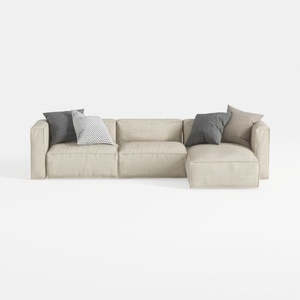
Minimalist Fabric L Shaped Sectional Sofa with Throw Pillows 3D Model
Homestyler is the go-to platform for anyone looking to design their home effortlessly. With its user-friendly online design tool, stunning 3D renderings, and helpful video tutorials, you can explore a multitude of design projects. Unleash your creativity and transform your space today!
Desain sekarang Gratis
































