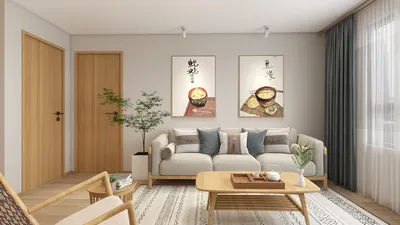


Selecting a banquet hall in Okhla involves an intricate blend of ambiance, logistics, and a strong emphasis on the guest experience. Initially, I assess circulation, sightlines, and service areas, which form the foundation of a successful event. It's crucial to consider capacity not merely as a figure; it encompasses table sizes, aisle widths, stage areas, buffet lines, and emergency exits. The International WELL Building Institute indicates that environments designed with care can significantly enhance occupant satisfaction and lower stress, creating a more relaxed atmosphere for hosts and guests alike during critical events. Additionally, the WELL v2 lighting guidelines emphasize the importance of balanced light levels and glare reduction—vital for settings that feature live videography and public speaking.
The flow of the space is just as vital as its finishes. Research from Steelcase reveals that environments that encourage movement and choice can significantly improve comfort and cognitive performance—principles that apply to event layouts where guests move between sitting, mingling, and dancing. In terms of lighting, the Illuminating Engineering Society's recommended practices for banquet settings typically suggest a horizontal illuminance level of 200–300 lux for dining areas, with accent lighting reaching over 500 lux for stages and displays. These levels enhance visual appeal on camera while maintaining a pleasant atmosphere.
Establish Your Event Profile Before Touring Venues
Before entering any hall, clarify your event profile: anticipated guest count ranges (minimum and maximum), seating arrangements (round tables, long tables, theater, or cocktail style), stage sizes, audio-visual requirements, and service styles (such as plated meals, buffet, or live stations). For weddings, I allocate around 10–12 square feet per guest for dining plus an additional 3–4 square feet per guest for a dance area. For corporate galas featuring presentations, I tend to allocate 12–14 square feet per guest to accommodate necessary stage setups, projection distance, and camera pathways. If layout testing is needed, employing an interior layout planner can help verify aisle widths (at least 1.2 meters for main flow) and ensure unobstructed views to the stage—consider using a room layout tool like Homestyler for quick iterations.
Location, Accessibility, and Logistics in Okhla
Okhla boasts a significant advantage due to its connectivity—major roads, metro stations, and nearness to business centers. When choosing a hall, prioritize those with easy loading access and dedicated service corridors to prevent staff from interfering with guest paths. Ensure you verify on-site parking availability, aiming for about one car for every three to four guests for evening events if public transport isn’t part of your plan. Additionally, for events featuring VIPs, it's essential to arrange a secure drop-off location and a waiting area. For late-night occasions, confirm sound regulations and community guidelines in advance.
Assessing Capacity, Ceiling Height, and Sightlines
I evaluate spaces in three dimensions rather than two. The height of the ceiling greatly influences visual impact and acoustics. A stage equipped with LED walls and wash lighting requires a clear height of 4.5 to 6 meters to ensure proper heat dissipation and beam angles. It's important to avoid placement of columns in critical sightlines; if the venue has columns, make sure no seating obstructs the view of the stage. Test a seating arrangement: aim for a maximum distance of 30–35 meters from the stage for speeches delivered without amplification and keep camera tripods out of major walkways.
Acoustics and Sound Management
Effective acoustics are essential. Opt for venues featuring soft materials such as carpets, upholstered panels, and acoustic treatments. Beware of hard, parallel walls that can create echo problems—walk through the space and clap; if you detect sharp echoes, inquire about treatment solutions. Banquet halls should maintain a balanced reverberation time, ensuring that music remains vibrant while speech remains clear. I always request sound isolation specifications for nearby rooms, especially if multiple events occur simultaneously. For DJ-focused events, confirm the availability of dedicated three-phase power and isolation transformers to reduce hum and interference.
Lighting Considerations: Color, Layers, and Photography
Outstanding photographs hinge on coherent lighting setups. I recommend utilizing layered lighting: warm ambient tones (2700–3000K), neutral task lighting for food service stations (3500–4000K), and high-CRI accent lights focused on key elements. Keep stage lighting marginally cooler (3200–4000K) to accurately represent skin tones in photographs. Manage glare by directing fixtures away from diners' views and opt for diffusers instead of bare bulbs. When visiting a potential venue, request a complete lighting demonstration including house lights, stage washes, and dimming options to ensure no flickering is present on camera.
HVAC, Power Supply, and Back-of-House Considerations
Events can overload HVAC systems quite rapidly. I check the air changes per hour and the placement of diffusers to avoid creating drafts over dining areas while keeping dance floors comfortable. Inquire about the distribution of power across different circuits, ensuring AV, kitchen, and décor have clearly identified outlets. The back-of-house area should accommodate a plating space (ideally at least 1–1.2 square meters per staff member), access to cold storage, and a clear traffic route between the kitchen and the venue floor that does not disrupt guests.
Catering Models and Guest Service Flow
The flow of service influences how guests perceive the event. For buffets, ensure a clearance of 1.2–1.5 meters around serving stations and consider mirroring the line to decrease wait times. If utilizing live cooking stations indoors, ensure that they have spill protection and sufficient exhaust. For plated meal service, confirm the capacity for hot holding and the speed at which plates can be served (a good target is to deliver a course to 200 guests in under 12–15 minutes). Always incorporate dietary labeling and designate separate zones for allergy-friendly options.
Health, Code Compliance, and Accessibility Requirements
Ensure that posted capacities and egress routes are confirmed. Aisles must remain clear—unobstructed even by decorations. Verify the gradient of ramps, elevator access, and necessary space for wheelchairs in entryways, restrooms, and seating areas. For families, consider providing pram parking close to the entrance and ensuring the availability of private nursing rooms with refrigeration.
Materiality, Aesthetic Style, and Color Influence
Neutral and well-maintained finishes allow your decorations to stand out. I prefer durable stone or engineered wood for entrance areas, acoustic carpeting in the main hall, and stain-resistant fabrics for walls. In terms of color strategy, soothing hues like blues and greens can help alleviate pre-ceremony anxiety, while warm ambers promote sociability during meal times. Maintain a cohesive base palette and introduce wedding or brand colors through floral arrangements, linens, and lighting effects.
Technological and AV Capabilities
Request a comprehensive inventory of AV equipment: brightness and resolution of projectors, LED wall pixel density, microphone latency, mixing console specifications, and blackout capabilities. Ensure ceiling rigging points and appropriate load ratings are in place for suspending trusses, chandeliers, and floral arrangements. Confirm Wi-Fi bandwidth and dedicated VLANs if live polling or streaming will occur. Make sure to arrange a rehearsal with full technical support.
Budgeting with Transparency
I approach venue budgeting by breaking it down into layers: base rental costs, minimum food and beverage guarantees, service fees, security, power requirements, extended hours, corking fees, decor access times, and teardown provisions. Ensure that all additional charges are documented in writing. It's wise to set aside a contingency fund of 8–12% for unexpected AV or staffing needs.
Prioritizing Sustainability and Comfort
Select venues committed to energy-efficient lighting and effective waste management. Inquire about LED upgrades, low-flow fixtures, and infrastructure for reusable décor. Comfortable environments—characterized by good air quality, controllable lighting, and proper acoustics—enhance guest morale and lessen fatigue, aligning with the WELL v2 standards from the International WELL Building Institute regarding light, air, and comfort.
Site-Visit Checklist for Banquet Halls in Okhla
- Measure the clear dimensions and height of the room; confirm layout of columns.
- Evaluate lighting setups; confirm no flicker or glare on camera.
- Analyze the guest journey from arrival to seating; verify signage and wayfinding.
- Inspect proximity to kitchens, plating areas, and loading dock routes.
- Check for echo; ask about potential acoustic paneling or drape solutions.
- Confirm restroom facilities and accessibility; ensure grooming and baby-changing stations are available.
- Verify backup power systems, HVAC settings, and emergency preparedness plans.
- Simulate a seating plan using a layout design tool like Homestyler to validate capacity and sightlines.
Shortlisting: My Process for Narrowing Venue Options
I narrow down my choices to three venues that satisfy capacity, accessibility, and acoustic requirements. Then I create two layout variants—classic rounds and a mixed lounge setting—prior to presenting budget estimates and guest flow diagrams. This method effectively uncovers any potential limitations early and helps avoid surprises on the day of the event.
Frequently Asked Questions
Q1. What is the recommended square footage per guest when planning a banquet?
A1. A safe guideline to follow is 10-12 square feet per guest for dining alone. Additionally, factor in 3-4 square feet per guest for dance spaces and sufficient room for stages, photo opportunities, or live stations depending on the program.
Q2. What lighting levels are ideal for a banquet hall intended for photography and videography?
A2. Target 200 to 300 lux for ambient lighting on tables, with over 500 lux for stages or focal viewpoints. Utilize warm-dim ambient (2700-3000K) and slightly cooler stage lighting (3200-4000K) to maintain accurate skin tone representation on cameras.
Q3. What strategies can I employ to minimize echo in a large hall?
A3. Incorporate carpets, upholstered panels, ceiling baffles, and heavy curtains. Disperse parallel hard surfaces with softer furnishings and decorations. Position speakers thoughtfully to limit reflections and calibrate the audio system during rehearsal.
Q4. What seating arrangement works best for accommodating 200 to 300 guests?
A4. For 200 to 300 guests, 60-inch round tables (8-9 seats) strike a balance between comfort and space efficiency. Ensure aisles remain at least 1.2 meters to facilitate service and emergency exits. To foster social interactions, consider a mix of round and high-top cocktail tables surrounding the dance floor.
Q5. How far in advance should I book a banquet hall in Okhla?
A5. During the peak wedding season and corporate calendars, it's advisable to reserve a venue 6 to 9 months beforehand. If your event involves extensive rigging or custom staging, consider adding an additional month for approvals and technical assessments.
Q6. What AV specifications should I confirm before signing a contract?
A6. Verify specifications for projectors and LEDs (lumens, resolution, pixel pitch), microphone inventory, mixing console features, rigging weight limits, blackout capability, as well as access for rehearsals and separate power circuits for AV distinct from kitchen loads.
Q7. How can I effectively plan buffet stations to avoid crowding?
A7. Ensure a clearance of 1.2 to 1.5 meters around food stations and, if feasible, mirror the food line. Separate vegetarian and non-vegetarian or allergy-specific areas to simplify selections. Position dessert and coffee stations away from main entrée areas.
Q8. Are there established standards for ensuring comfort and well-being in event venues?
A8. Absolutely. Standards from the International WELL Building Institute (WELL v2) and lighting recommendations from the Illuminating Engineering Society promote improved light quality, air quality, and overall comfort—factors that directly enhance guest experiences.
Q9. What ceiling height is necessary for effective stage lighting and LED installations?
A9. Plan for a minimum of 4.5 to 6 meters for clear height to ensure safe rigging angles, adequate throw distance, and heat dissipation. Lower ceilings can restrict design options and may lead to glare or hot spots.
Q10. How can I confirm venue capacity without overcommitting?
A10. Create a scaled plan that accounts for table sizes, aisle dimensions, stage setups, and DJ booths using a digital interior layout planner. Then, conduct a walkthrough to verify sightlines, egress routes, and service pathways before making any deposits.
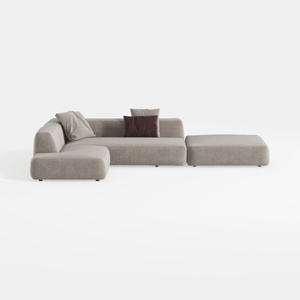
Minimalist Fabric L Shaped Sectional Sofa with Ottoman 3D Model

Minimalist Fabric Oversized Sofa 3D Model
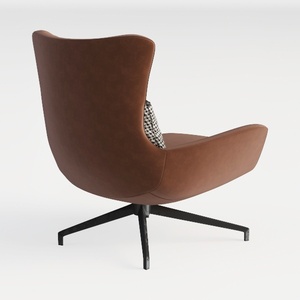
PU Leather Dining Chairs Set of 2 Mid Century
Homestyler is a fantastic online platform for all your home design needs. Its user-friendly design tool, stunning 3D renderings, and a wealth of DIY video tutorials empower you to create and visualize your dream home effortlessly. Start your design journey today!
Design Now for FREE
































