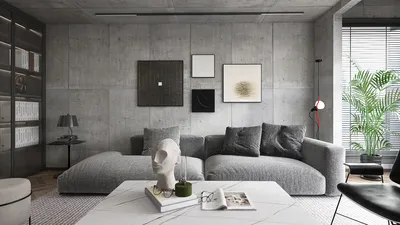


Once, a client requested that I enhance their small living room to feel "more luxurious than it is," leading me to nearly paint the entire area in satin white at midnight—a true anecdote! I caught myself just in time, measured the lighting conditions, and discovered that satin can work wonders in compact spaces when applied correctly. To visualize the interplay of light and sheen prior to your first coat, a quick mockup can provide tremendous assistance: visualize the flow with Homestyler.
Choosing Satin for Compact Living Areas: Soft Sheen, Significant Impact
I often advocate for satin finishes in petite living rooms due to their ability to reflect light without appearing overly shiny. This sheen not only brightens the walls but also conceals minor imperfections more effectively than flat paint, making it an excellent choice for the older apartments I frequently renovate.
However, one downside to consider is that satin may reveal more surface blemishes than eggshell if the walls are particularly uneven, necessitating an extra skim coat or light sanding before the painting process.
save pin
Utilizing Satin on Trim and Doors: Tough and Easy to Maintain
I regularly specify satin for doors and trim, as it achieves an ideal balance of durability and a matte finish. It cleans fairly well, making it suitable for high-traffic areas in the family homes I design.
The downside is that frequent scrubbing can eventually dull the finish, but a fresh touch-up is straightforward and affordable—a small compromise for long-term practicality.
save pin
Applying Satin in Kitchens: Moisture-Resistant and Functional
In kitchens, I strategically use satin—typically on cabinet frames, island edges, or a back wall—because it offers better moisture resistance compared to flat finishes. When clients inquire about how to make a compact kitchen feel more upscale, I suggest designing it as a focal point and employing satin to introduce subtle richness: plan a compact kitchen with Homestyler.
Be cautious near cooking areas: heat and grease can affect any paint finish, thus it's wise to pair satin paint with adequate ventilation and washable surfaces whenever feasible.
save pin
Satin for Accent Walls and Built-Ins: Understated Depth
One of my favorite strategies involves using a satin accent wall in a lounge or a built-in bookshelf; it infuses color with vitality without being overwhelming. I once applied a rich teal satin on a recessed bookcase, and guests were intrigued, touching it to check if it was wallpaper.
Keep in mind that satin can slightly deepen colors; be sure to experiment with paint swatches at various times of the day to avoid any unexpected surprises.
save pin
Satin in Bathrooms and Laundry: Exercise Caution, But It Can Be Effective
Satin can be suitable in small, well-ventilated bathrooms and laundry rooms with decent humidity control. To preview spatial alterations or evaluate how a finish appears under bathroom lighting, I often recommend clients test designs in 3D using Homestyler first: test layouts in 3D.
However, in consistently damp spaces, I typically suggest a semi-gloss or mildew-resistant alternative—satin is tougher than flat paint, but not as resistant as gloss finishes.
save pin
FAQs
1. What areas benefit most from satin interior paint finishes?
Satin interior paint is ideally suited for areas where a bit of light reflection and easy cleaning is desired, such as living rooms, trim, and select kitchens. It strikes a balance between durability and a subtle sheen that complements many contemporary homes.
2. Is satin paint easy to wash?
Yes, satin paint is generally washable and easier to clean than either flat or matte options. However, it's best to avoid abrasive cleaners to maintain the sheen.
3. Does satin finish reveal wall imperfections?
Satin finishes tend to show more flaws than flat paint but less than semi-gloss; some lightweight preparation (sanding or applying a skim coat) can help achieve a smooth appearance.
4. Is satin suitable for bathrooms?
Satin can be used in bathrooms with good ventilation, but for consistently humid or wet areas, I recommend opting for semi-gloss or specialized paints designed for bathrooms to ensure better moisture resistance.
5. How does satin compare to eggshell finishes?
Satin is marginally shinier and more durable than eggshell, which makes it easier to clean but also more likely to highlight small surface defects. I prefer satin for high-traffic areas while opting for eggshell in quieter living environments.
6. Is satin paint recommended for small areas?
Definitely—satin can contribute to a brighter atmosphere in small rooms due to its ability to softly reflect light, thereby visually widening the space when applied with intention.
7. Are low-VOC satin paints effective?
Certainly—low-VOC satin paints perform well and help minimize indoor air pollutants. According to the U.S. Environmental Protection Agency (EPA), selecting low-VOC or water-based paints can reduce indoor air emissions: https://www.epa.gov/indoor-air-quality-iaq/volatile-organic-compounds-impact-indoor-air-quality.
8. Any budget-friendly tips for employing satin paint?
Purchase sample sizes and test patches under different lighting conditions before making a final decision; prioritize preparation over selecting the cheapest paint—proper surface prep can make even mid-range satin appear luxurious.
save pin
Homestyler is your go-to online home design platform! With its user-friendly design tool, stunning 3D renderings, and a wealth of DIY video tutorials, you can turn your creative ideas into reality effortlessly. Explore endless design possibilities and elevate your home today!
تصميم الآن مجانا
































