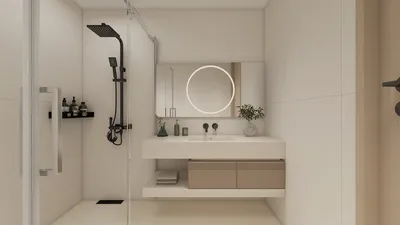


A former client of mine envisioned a luxurious, spa-inspired compact bathroom that could withstand the steam from her teenagers' showers while maintaining a soft aesthetic. She specified a satin finish that conveyed indulgence without being overly glossy. I quickly discovered that while satin paint can be quite forgiving, it requires careful consideration of factors such as moisture, lighting, and everyday usage. For layout ideas, I consulted a space planning case study that illustrated how a thoughtful design can highlight paint selections, making them truly shine.
1. Understanding the Appeal of Satin Finish
Having utilized satin countless times, I appreciate its ability to offer a balance between sheen and durability. It conceals imperfections more effectively than eggshell finishes and withstands scrubbing better than flat paints. However, it’s important to note that satin may emphasize uneven plaster or poorly patched areas, so preparation is crucial. In brightly lit bathrooms, satin appears elegant, while in smaller, dim spaces, it can have a slightly reflective quality—an aspect I often find contributes to an illusion of depth.
save pin
2. Preparation: Combatting Mildew and Moisture
From my experience, the most common pitfall is neglecting moisture preparation. Opt for a high-quality primer that seals stains and adheres well in humid environments; if mold is present, ensure it's treated and eliminated before you start painting. Satin is compatible with mildew-resistant products, but addressing ventilation and leaks beforehand is essential.
save pin
3. Color and Sheen: Enhancing Spatial Perception
The interplay between color selection and satin sheen is critical: light colors in soft satin finishes can reflect light and enhance a small bathroom's appearance, while deeper shades paired with satin present a richer, more contemporary vibe. I've had clients express concern about dark paint choices; I often recommend they paint the ceiling a lighter hue to avoid a cave-like feel. A budget-friendly tip is to test 2x 4" patches during both day and night, assessing how changes in condensation and lighting affect the colors.
save pin
4. Strategies for Trim, Doors, and Ceilings
I frequently match satin walls with semi-gloss trim to facilitate easier cleaning; this subtle contrast beautifully frames mirrors and doors. However, excessive variations in sheen can create a busy look, so it's wise to keep the color palette simple. For a modern appearance, painting the ceiling in satin too can create a cohesive feel and ease cleaning after showers.
save pin
5. Efficient Application Techniques to Cut Down on Mistakes
Use a high-quality microfiber roller for application, cut in with a nylon/polyester brush, and ensure to maintain a wet edge—rushing with satin can lead to noticeable lap marks. In my most recent project, I opted to spray the ceiling and roll the walls for a flawless finish; this approach incurs initial costs but minimizes touch-ups later. For tight budgets, a good brush and two thin coats are far superior to one heavy, careless coat.
save pin
Practical Finishes and Visualization Techniques
Before finalizing the paint job, I often utilize 3D renderings to see how satin reflects light in the actual layout—this method has spared both me and my clients from future regrets. A specific rendering encouraged a client to switch from a pale blue to a warm grey, which appeared much better under her pendant lighting. These small experiments can help prevent costly repaints.
save pin
Final Checklist for Applying Satin in Bathrooms
Ensure proper ventilation, address mold issues, prime for moisture, select your color sample, and choose the right tools before opening your paint can. Anticipate needing to apply two coats and allocate budget for quality primer and rollers; opting for cheap supplies is a false economy and can lead to uneven satin finishes. For strategies focused on moisture, I often recommend reliable methods and tools, including moisture-proof bathroom techniques highlighted in professional case studies.
save pin
FAQ
Q1: Is satin paint suitable for bathroom walls?
A1: Definitely—satin provides a durable, easy-to-clean surface that strikes a perfect balance between sheen and practicality. It is a popular choice among professionals for bathrooms because it handles humidity well compared to flat finishes.
Q2: What are the preparation steps for walls before applying satin paint?
A2: Thoroughly clean the walls, eliminate any mold, sand glossy areas, and apply a moisture-sealing primer. Proper preparation prevents sheen irregularities and peeling of the paint.
Q3: Is it acceptable to use satin paint on ceilings?
A3: Yes, using satin on ceilings enhances durability and simplifies cleaning, but be cautious as it may reveal imperfections more than a flat finish. I recommend this only if the ceiling surface is smooth or a resilient finish is necessary.
Q4: How many coats of satin paint are usually required?
A4: Generally, two coats over a primer yield an even and durable finish. If covering a strong pre-existing color, consider an additional coat or a high-hide primer
Q5: Are satin paints inherently mildew-resistant?
A5: Many satin formulas designed for bathrooms incorporate mildewcides, but paint alone won’t address ventilation issues; it’s crucial to resolve sources of humidity first. Regular cleaning and good airflow are still essential.
Q6: What is the best method to clean walls painted with satin?
A6: Utilize a soft sponge or cloth with a mild detergent, rinse thoroughly, and avoid abrasive scrubbers that may dull the satin finish. It's advisable to test in an inconspicuous area first.
Q7: Do satin paints generally contain high levels of VOCs?
A7: VOC levels differ by product; opt for low-VOC or water-based paints to mitigate indoor air quality impacts. For authoritative VOC information, check the EPA guidance: https://www.epa.gov/indoor-air-quality-iaq/volatile-organic-compounds-impact-indoor-air-quality
Q8: Can I apply another sheen over satin in the future?
A8: Yes, scuff sand the surface and use a proper primer if transitioning to a glossier or flatter sheen to ensure good adhesion and a consistent appearance. Adequate surface preparation prevents flashing and bonding issues.
save pin
Homestyler is an outstanding online home design platform that empowers you to create stunning spaces effortlessly. With its user-friendly design tool, impressive 3D renderings, and a wealth of DIY video tutorials, you can turn your design dreams into reality, regardless of your experience level!
지금 무료로 디자인하세요
































