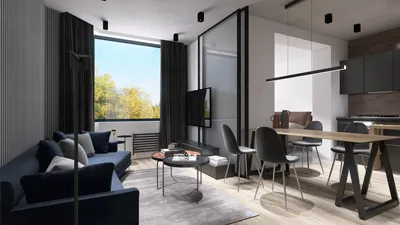


I once had the opportunity to design a compact home office for a client who dreamed of creating a "cabin in the woods" aesthetic, yet needed to accommodate multiple devices and a yoga mat. This experience taught me that rustic design doesn't equate to disorder; having a detailed plan is essential to preserve charm without descending into clutter. Documenting this office transformation ultimately spared us from incurring several expensive revisions.
1. Reclaimed Wood Feature Wall
There’s something magical about the immediate warmth that a reclaimed wood feature wall brings to a space. It’s my go-to choice for infusing personality into a room quickly. The benefits include added visual dimension and sound absorption; however, it’s important to note that reclaimed wood can be inconsistent, requiring some additional carpentry and a reliable sealing method to minimize dust.
Tip: If budget or weight is a concern, consider opting for thinner planks or veneer; this way, you can achieve the desired aesthetic without structural complications.
save pin
2. Industrial Lighting with a Gentle Touch
Combining industrial-style metal pendants with fabric shades or warm Edison bulbs creates a rustic vibe that remains inviting rather than austere. This combination offers a layered aesthetic that feels both professional and relaxed; however, glare can be an issue — install a dimmer and include task lighting for video conferences to mitigate this.
Budget-friendly hack: a quick spray-painting of thrifted lighting fixtures with matte black and swapping bulbs for warm LEDs can make a significant difference.
save pin
3. Integrated Shelving That Serves Dual Purposes
In a 9 square meter office I previously designed, I added built-in shelves that transformed unused vertical space into organized storage solutions and decorative displays. Such built-ins not only convey a custom feel but also keep clutter hidden — a precise measurement is critical, which is where mockups prove invaluable.
Before finalizing, I create simple visual plans and sometimes commission mockup prints. To provide my clients with convincing visuals, I rely on photo-realistic renders that accurately represent scale and lighting, thereby significantly reducing indecisiveness during the decision-making process.
save pin
4. Combining Textures: Leather, Linen, and Metal
The essence of rustic design lies in its tactile richness. Incorporating a leather chair, linen curtains, and a few matte-metal accents can provide both contrast and professionalism without feeling overly ornate. The advantages include comfort and durability, while regular maintenance for leather and linens is a consideration I always communicate openly to clients.
Pro tip: employing washable slipcovers for seating allows you to enjoy the look without worrying about potential spills.
save pin
5. Versatile Desk Spaces and Arrangements
Small workspaces thrive with flexible arrangements — whether it’s a pull-out desk, a folding tabletop, or a compact L-shaped design that accommodates both standing and sitting. Such flexibility optimizes functionality but necessitates strategic routing for cords and power sources. When planning layouts, I often utilize space planning examples to ensure that traffic flow remains intuitive even after adding storage solutions and seating areas.
Budget-friendly insight: begin with modular pieces that you can upgrade over time; rustic design is adaptable and can develop alongside your budget.
save pin
FAQ
Q1: What characteristics define a rustic office?
Rustic offices focus on natural materials, textured surfaces, and create a warm, inviting atmosphere. It's not merely about roughness but rather about authenticity and the clever use of layered materials.
Q2: Is a rustic style appropriate for small home offices?
Yes — a rustic design can actually enhance the coziness and functionality of small spaces when utilizing vertical storage solutions, slim-line furniture, and a careful approach to patterns to limit visual clutter.
Q3: How can I harmonize rustic charm with modern technological requirements?
Conceal cables using built-in channels, select power strips featuring USB ports, and incorporate discreet task lighting. I typically allocate a concealed cabinet for routers and networking equipment.
Q4: Which materials should I steer clear of?
Avoid heavy or dark finishes that can make a room appear smaller; also, steer clear of excessively glossy surfaces that clash with rustic textures. Aim for matte and tactile finishes instead.
Q5: Can rustic be blended with minimalist design?
Certainly — a streamlined rustic palette comprising wood, stone, and metal combined with minimal furniture creates a serene and efficient workspace. Think of it as 'edited warmth' rather than a cluttered vintage style.
Q6: How much should I allocate for a small rustic office transformation?
Costs can vary significantly: a simple cosmetic update (such as painting, textiles, or décor) may cost a few hundred dollars, whereas built-ins or reclaimed wood installations could reach into the lower thousands. My advice is always to prioritize storage solutions and ergonomic features first.
Q7: Are there sustainable options for rustic materials?
Absolutely — reclaimed wood, FSC-certified lumber, and low-VOC finishing options are excellent choices. Eco-friendly textiles like organic linen and recycled upholstery are also trending in design.
Q8: Where can I locate design guidelines or standards concerning office ergonomics?
For ergonomic and workplace design guidelines, I suggest checking resources from respected organizations such as the American Society of Interior Designers (ASID): https://www.asid.org, which provides best practices for workspace planning and human-centered design.
save pin
Discover the ease of home design with Homestyler! This online platform features an intuitive design tool, stunning 3D renderings, and a wealth of inspiring design projects. Plus, with engaging DIY video tutorials, you'll turn your vision into reality effortlessly. Perfect for all skill levels!
Design jetzt kostenlos
































