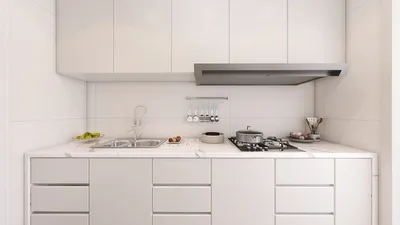


In a modular kitchen, royal blue injects a sense of confidence and sophistication. It serves as a foundation to delineate spaces while offering a stylish contrast to neutral and warm textures. In homes with an open-plan layout, a bold blue island acts as an eye-catching focal point without overwhelming the room. The visual benefits are complemented by enhanced comfort and efficiency in areas with deliberate color choices and well-planned lighting. The WELL v2 Light concept underscores the importance of appropriate lighting levels and glare control for fostering alertness and visual clarity, suggesting that task lighting should be around 300–500 lux for food preparation along with high CRI sources to ensure accurate color representation.
Kitchens that maintain a blend of clarity and warmth often facilitate smooth household operations. Research from Steelcase connects the dots between visual clarity, acoustic comfort, and flexible zones to reduced cognitive burdens—principles directly applicable to cooking and entertaining. Royal blue, being on the cooler spectrum, helps to mitigate the rush of visual noise from open shelving and stainless steel appliances. When combined with warmer undercabinet lighting, this color scheme retains a welcoming atmosphere. Notably, color psychology repeatedly links blue with tranquility and dependability—essential qualities in an active space such as the kitchen.
Design Intent: Effective Use of Royal Blue Around the Clock
I consider royal blue to be the core element of my design: deep, vivid cabinets or a striking island are essential, complemented by materials like matte brass, walnut, or brushed nickel for warmth and light reflection. The key is the ratio—around 60% neutral tones (for floors, walls, and ceilings), 30% blue cabinetry, and 10% accent metals or wood to create a balanced aesthetic. This combination curates a rhythm that avoids visual heaviness, ensuring that task areas remain clear and visible in various lighting conditions.
Ergonomics First: Optimizing Layout, Reach, and Workflow
Begin with an efficient work triangle: the sink, cooktop, and refrigerator should be within 4–9 feet of each other to minimize unnecessary steps. I maintain primary counter depths of 24–25 inches and ensure at least 18 inches of clearance beneath upper cabinets for comfortable access. Consider ergonomics in handle choices; D-pulls are often more user-friendly than knobs for repetitive tasks. For those sketching out designs, utilizing a room layout tool can help visualize space clearances around the island and traffic movement between cooking and serving areas.
Lighting: Ensuring Royal Blue is Well-Illuminated
Royal blue surfaces can appear dull if not correctly lit. Aim for consistent ambient lighting levels of 150–300 lux, supplemented with focused task lighting at 300–500 lux around counters. Opt for LED lights with a CRI of 90 or above to maintain true food color tones; low CRI can distort reds and browns, leading to unappealing presentations. Follow the guidelines provided by IES regarding glare management: using shielded downlights or linear undercabinet fixtures will reduce reflections on glossy finishes. Implement a tunable white lighting scheme—2700K in the evening and 3000–3500K during the day—to keep the blue vibrant without introducing a cold feel.
Material Selection: The Right Finish for Bold Colors
Royal blue finishes can show fingerprints and minor scratches if the sheen is not appropriate. I prefer high-pressure laminate or lacquered MDF with a soft-matte finish (20–30 gloss units) to minimize glare. For countertops, honed quartz or composite stones are ideal to maintain uniform reflectivity. Hardware choices in aged brass or satin chrome bridge the cool-blue tones with warmth. For sustainability, it's wise to select low-VOC paints and GREENGUARD-certified laminates, and consider panels made from FSC-certified veneers—simple changes that can enhance indoor air quality and overall longevity.
Acoustic Comfort: Mitigating Noise in Your Kitchen
Open-plan kitchens can amplify sounds. To reduce noise, I suggest lining base cabinets with felt-backed shelves and using rubber bumpers on door stops. Installing soft-close hinges is essential. If a vent hood is used, select one that operates quietly and ensure make-up air is routed discreetly through insulated ducts. Color alone won’t solve acoustic issues; thoughtful construction does.
Color Pairings: Royal Blue's Compatible Companions
- Warm neutrals like bone, mushroom, and oatmeal serve to calm the royal blue palette.
- Woods such as rift-cut white oak or American walnut introduce interesting grain patterns that break up the monotony of solid colors.
- Metals: pairing brass for warmth in the evening and nickel for a crisp morning vibe. Be sure to balance these elements—one should dominate, while the other serves as a subtle accent.
- Stone: A quartz with a Calacatta look that has medium veining keeps the spotlight on cabinetry without competing for attention.
Storage Strategy: Modularity with Purpose
Blue cabinetry encourages long, sleek lines—ideal for integrated pulls and slab-style doors. Inside, pair full-extension drawers for pots and pans with vertical tray dividers and a tall pull-out pantry. Position daily-use items within the golden zone (between shoulders and hips) for easy access. If spacing is limited, an interior layout planner can ensure door swings and dishwasher clearances are effectively managed.
Island Guidelines: Maintaining Proportion and Impact
For a royal blue island, ensure there’s at least 36 inches of clearance on all sides; for kitchens serving as a social hub, aim for 42–48 inches. Waterfall edges in blue can seem heavy, so consider incorporating wood stools or ribbed paneling along the seating face to lighten the appearance. A minimum 12-inch overhang is recommended for casual dining, alongside dimmable pendant lights ranging from 10 to 14 inches in diameter, spaced about 24–30 inches apart for even illumination.
Human Factors: Considering Flow, Safety, and Routine
The psychology of blue contributes to a composed kitchen atmosphere, especially during busy meal preparations. Nevertheless, physical indicators—like contrasted edges on countertops and anti-slip flooring with a wet dynamic coefficient of 0.42 or higher—are essential. Strive for unobstructed sightlines between cooking zones, the sink, and prep areas to minimize delays. If children are present, situate knife storage above 48 inches and designate a safe baking area away from the cooktop.
Trends 2024–2025: Pushing Boundaries with Saturated Colors and Subtle Technology
We can expect to see an increase in saturated cabinetry complemented by tactile stones and textured laminates. Minimalist hardware that integrates lighting is becoming mainstream, and tunable LED systems are increasingly accessible for residential use. Royal blue fits seamlessly into this trend—expressive yet restrained when matched with muted walls and natural materials.
Execution Checklist
- Verify task lighting levels and CRI to be suitable for both food preparation and evening ambiance.
- Select matte or velvet lacquer to reduce glare and fingerprint visibility.
- Harmonize royal blue with warm metals and woods, adhering to a balanced palette ratio of 60/30/10.
- Confirm clearances around the island and appliances using a layout simulation tool for accuracy.
- Specify soft-close mechanisms, felt liners, and low-sone ventilation for enhanced acoustic comfort.
- Opt for low-VOC finishes and certified materials to contribute to better indoor air quality.
- Test a sizable sample of blue under both daylight and evening conditions before finalizing your choice.
FAQ
Layer ambient lighting to achieve levels of 150–300 lux alongside task lighting aimed at 300–500 lux, using LEDs with a CRI above 90. Transition to 2700K in the evenings to maintain a warm blue tone, employing shielded fixtures to eliminate glare per IES recommendations.
If not used judiciously. Limit blue to lower cabinetry or the island, coordinate with lighter walls and reflective worktops, and ensure adequate undercabinet lighting to keep visual dimensions intact.
Consider honed or matte quartz in lighter neutrals; medium-veined stones can provide contrast without clashing. Avoid high-gloss surfaces when paired with glossy blue cabinetry to prevent glare accumulation.
Absolutely, provided the finish is appropriate. Matte or satin finishes are more forgiving with fingerprints than high gloss. Incorporating soft-close mechanisms and durable laminates will also help withstand daily use.
Incorporate warm metals like brass, wooden details such as walnut or oak, and warmer lighting at 2700K in the evening. Textural elements—like ribbed panels or woven seating—can enhance the tactile warmth of the space.
Ensure a minimum clearance of 36 inches, aiming for 42–48 inches in social kitchens to accommodate multiple users moving about and preparing food without obstacles.
Blue is often linked with calmness and reliability in color psychology, which can help mitigate perceived chaos in open-plan living spaces. Pair with clear indicators (like labels) and coherent storage to promote healthy habits.
Opt for D-pulls made of satin nickel or aged brass for easy gripping. Integrated pulls maintain clean lines on slab doors but confirm finger clearance and avoid sharp designs.
To minimize noise, implement soft-close systems, use felt-lined shelving, install rubber bumpers, and select low-sone hood vents fitted with insulated ductwork. Additionally, incorporating rugs or cork underlay can further decrease footfall noise.
Prioritize low-VOC paint options and certified laminates, while considering durable substrates that extend life cycles. Improved durability can lessen the need for replacements and reduce waste.
Homestyler is your go-to online home design platform, perfect for anyone looking to create stunning interiors. With its user-friendly design tool, impressive 3D renderings, and a wealth of design projects and video tutorials, you'll have everything you need to turn your vision into reality effortlessly.
Zaprojektuj teraz za darmo
































