


Room sprays occupy a unique space where material specifications meet occupant experience and procurement compliance. For home designers specifying fragrant mists for residences or boutique hospitality settings, correctly categorizing these products under the Harmonized System of Nomenclature (HSN) is essential to avoid delays and unexpected expenses. In markets that utilize HSN/GST frameworks, room sprays are generally categorized under the broad heading “perfumery, cosmetic or toilet preparations” (HS heading 33). Designers should always confirm the specific composition and intended use of products with suppliers before completing the tender documents.
Choices in procurement significantly impact perceived comfort and occupant well-being. According to research conducted by the WELL Building Standard (WELL v2), the presence of volatile organic compounds (VOCs) is a major concern for indoor air quality, highlighting the necessity for low-emitting formulations in fragrance programs. Likewise, findings from Steelcase indicate that sensory comfort, which includes olfactory cues, directly correlates with perceived control over one's environment, thereby affecting both satisfaction and performance in multifunctional spaces. These insights are crucial for successfully balancing scent experience with air quality requirements. For further details, refer to the WELL v2 Air features and Steelcase research.
WELL v2 | Steelcase Research
HSN Classification Essentials
Typically, room sprays fall under HS Chapter 33, which covers essential oils and resinoids, as well as perfumery, cosmetic, or toilet preparations. Standard market fragrance mists often align with HS code ranges 3307.x, which usually includes perfumed room preparations, air fresheners, and similar products. Within the 3307 category, specific subheadings distinguish between aerosol and non-aerosol delivery methods, alcohol content, and particular functional claims (such as deodorizer vs. perfume). Given the variability in product formulations—solvent types, essential oil concentrations, and propellants—it's vital to confirm the supplier's precise HSN declaration and safety data sheet (SDS) prior to any commitments.
How Composition Impacts the Code
The categorization of a product is typically influenced by two main factors: the proportion of fragrance or essential oils and the presence of propellants or solvents like ethanol, isopropanol, or water. Aerosol room sprays may be classified under different subheadings compared to those dispensed from a pump spray. Additionally, odor-neutralizing agents that incorporate active absorbers (such as cyclodextrins) may have a different classification than those designed solely for fragrance. When marketing a product mainly as an air freshener, the 3307 classification is often fitting; however, products intended for textile application might necessitate a shift toward cleaning or finishing categories, underscoring the importance of thorough label review.
Tax, Duty, and Documentation
Accurate HSN coding is crucial for determining GST/VAT rates, import duties, and compliance documentation. Incorrect classification can result in delays at clearance or penalties. Necessary paperwork generally includes an invoice, packing list, safety data sheet, product specifications, and environmental testing reports for VOC emissions if needed. In hospitality or multi-unit residential projects, early coordination with procurement to finalize codes in the bill of quantities is essential.
Indoor Air Quality and Scent Strategy
Beyond classification concerns, indoor air quality and human factors are critical. WELL v2 accents the importance of controlling VOCs, recommending the use of low-emission materials combined with effective ventilation strategies. In practice, I advocate the use of room sprays only in spaces where mechanical ventilation and adequate air exchange rates can alleviate the buildup of lingering VOCs. Employ scent zoning to manage fragrance placement effectively: areas like foyers and powder rooms can handle scents well, while bedrooms, where sleep quality is crucial, should minimize fragrance use. Warm scents, such as vanilla and amber, are often perceived as cozy, while fresh citrus scents convey cleanliness. Research from Verywell Mind suggests that citrus fragrances can invigorate and uplift, making them suitable for entryways or kitchens, but it's essential to regulate intensity to prevent sensory overload.
Ergonomics and Behavioral Patterns
When considering ergonomics, placements of room sprays should be within easy reach, ideally positioned between 42–48 inches AFF (above finished floor) to minimize awkward postures. In homes with children or elderly members, it's advisable to steer clear of aerosol propellants and use pump sprays with lockable features. Behaviorally, zones of high traffic benefit from regular applications; on the other hand, private spaces may require subdued, timed fragrance or no fragrance at all.
Acoustics, Materials, and Durability
Fragrance interacts significantly with materials. Porous textiles such as curtains and upholstery tend to hold scents longer. For items like acoustic panels or natural fibers, it's wise to conduct a test in a discreet area to avoid potential staining or alterations in performance. Sustainable options include plant-derived essential oils, water-based carriers, and refillable glass containers. For material compatibility insights, consulting Material ConneXion case studies can be beneficial when specifying finishes close to fragrance applications.
Layout Integration for Designers
When strategizing placement, integrate scent dissemination points near entry vestibules and guest baths, steering clear of return air grilles to avoid immediate extraction. In open-plan living areas, situate sprays near display shelving or console tables along pathways. Visualizing placement and traffic flow is important; using tools like a Homestyler layout simulation tool can assist in mapping out scent zones and storage niches effectively.
Procurement Checklist
- Confirm the HSN code from the manufacturer (generally 3307.x for room or air fresheners and perfumed preparations).
- Acquire safety data sheets and VOC data; ensure alignment with project air quality objectives.
- Verify packaging types: pump versus aerosol; what type of propellant is used and its recyclability.
- Specify fragrance strength and notes (top/middle/base) appropriate to intended space usage.
- Ensure compliant labeling for shipping and storage purposes.
- Collaborate with tax experts for GST/VAT specifics and duty rates.
Quick Reference: What Designers Should Ask Suppliers
- What is the declared HSN code and subheading?
- Is the product categorized as an air freshener, deodorizer, or a perfuming preparation?
- What are the alcohol content (%), type of propellant, and VOC levels?
- Does it have any certification or testing for fabric safety?
- Are there aerosol or non-aerosol packaging choices available?
- Is there availability for refills and information on recycling at the end of life?
FAQ
Q1: Which HSN chapter typically encompasses room sprays?
A1: Generally, HS Chapter 33 (covering perfumery, cosmetic or toilet preparations) is applicable, with room and air fresheners often categorized under heading 3307. The precise placement depends on the product's actual composition and intended claims.
Q2: How can I differentiate between a deodorizer and a perfuming preparation for proper coding?
A2: Deodorizers usually include components that neutralize odors, while perfuming preparations focus on the fragrance itself. Labels and technical documentation provide guidance that is essential for selecting the correct 3307 subheading.
Q3: Does the packaging format (aerosol) change the HSN code?
A3: Indeed, aerosol formats may be classified under different subheadings within 3307 compared to their pump spray counterparts; the delivery method and propellants significantly affect classification.
Q4: Are there specific air quality standards I need to follow?
A4: WELL v2 places significant emphasis on VOC management, emphasizing the selection of low-emitting sprays and ensuring appropriate ventilation, thus contributing to healthier indoor spaces.
Q5: Is there an impact of scent on occupant behavior?
A5: Yes, sensory comfort can greatly influence satisfaction; according to Steelcase research, a connection exists between environmental control and improved user outcomes. Utilizing balanced and context-appropriate scents can enhance the ambiance without being overwhelming.
Q6: Where is the best positioning for room sprays within a home layout?
A6: Favor locations such as entry vestibules, powder rooms, and paths of circulation; avoid placing them directly near return air grilles. Using a room layout simulation tool can help visualize zones and facilitate effective traffic flows.
Q7: What documentation is necessary for procurement processes?
A7: Collect the manufacturer-declared HSN code and subheading, safety data sheets, VOC information, along with product specifications and any relevant tests related to fabric safety and emissions.
Q8: Do natural essential oil sprays classify differently from synthetic blends?
A8: Both typically fall under Chapter 33, but variations in composition (like essential oil concentration and solvents) may affect subheading classification. Always verify through supplier documentation.
Q9: Are there sustainability practices to consider when using room sprays?
A9: It’s advantageous to choose reusable containers, water-based mediums, and responsibly sourced essential oils. Ensure that components are recyclable and aim to avoid high-VOC propellants whenever feasible.
Q10: How does the HSN code relate to GST/VAT implications?
A10: The HSN code dictates the applicable tax rates and duties. Misclassification may lead to delays or penalties; understanding supplier declarations and consulting with a tax professional is essential.
Q11: Can room sprays damage fabrics or finishes?
A11: Certain formulations may indeed cause damage. It's advisable to test on an inconspicuous area, especially concerning porous textiles, acoustic panels, and natural finishes to assess compatibility.
Q12: What level of fragrance intensity is appropriate for bedrooms?
A12: It's best to keep fragrance intensity low or avoid scent entirely to ensure quality sleep. When used, select subtle notes and ensure proper ventilation to maintain a restful environment.
Built on technology originally developed at Autodesk, Homestyler empowers anyone to design beautiful, realistic spaces in minutes. Join over 18 million users who have already discovered a smarter way to plan, visualize, and bring their dream homes to life — all from the comfort of a browser.

Natural Green Vine Wall Panel Decorative 3D Model

Minimalist Solid Wood Wall Mounted Floating Shelves 3D Model
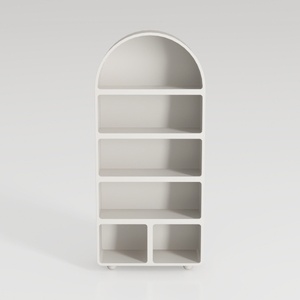
Minimalist Arched Top White Solid Wood Bookshelf 3D Model
Homestyler is your go-to online home design platform for creating beautiful spaces! With its user-friendly design tool, stunning 3D renderings, diverse design projects, and helpful video tutorials, transforming your ideas into reality has never been easier. Start your design journey today!
Diseño ahora GRATIS
































