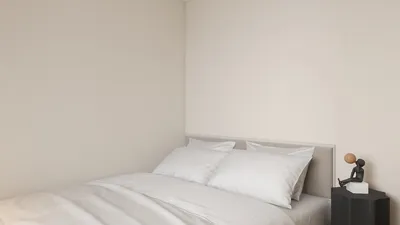


I often recommend using room freshener sachets for model units, boutique hotels, and bustling lobbies, particularly when candles or diffusers may not be visually appropriate or might create safety issues. When implemented correctly, sachets provide a subtle, consistent base fragrance that enhances the room's ambiance without overpowering it. Research by Steelcase indicates that 77% of individuals believe a comfortable workplace increases productivity—comfort encompasses not only the physical aspects like seat depth but also environmental factors such as scent, which can influence comfort and stress levels. Furthermore, studies on color psychology by Verywell Mind illustrate that our surroundings can significantly affect mood and energy, reinforcing the concept that a well-thought-out scent narrative can positively influence behavior in a gentle manner. To promote healthy indoor environments, the WELL v2 guidelines advocate for source control, effective ventilation, and low-emission materials; when selected based on verified safety data and minimal VOC content, sachets align perfectly with these principles.
Creating a fragrance experience is akin to designing lighting: it’s all about layering. In my design work, I regard sachets as an "ambient layer," similar to warm accent lights (2700–3000 K) that soften the space. Research from Gensler consistently links well-being and sensory comfort with overall satisfaction, while Herman Miller emphasizes the importance of multisensory elements in crafting restorative environments. From this perspective, sachets are meant to complement—rather than replace—cleaning and ventilation practices. It’s crucial to select materials and fragrances that limit irritants; the WELL standards’ emphasis on performance-driven air quality serves as a practical reminder to keep scents subtle and to avoid layering competing notes that can result in olfactory fatigue.
What Is a Room Freshener Sachet?
A room freshener sachet is a compact, breathable packet filled with fragrance carriers, often comprising dried botanicals, mineral beads, or paper pulp infused with essential oils or safe aromatic compounds. These sachets function as passive diffusers: they do not rely on flames or heat and release fragrance gradually through air circulation. I utilize these sachets in scenarios where a discreet scent is necessary in limited areas, such as in drawers, closets, luggage, or entryway consoles, or where maintenance needs to be minimal.
Fragrance Families and Their Impact on Perception
Fragrance families can significantly affect the ambiance of a room, just as wall colors or textures do. Here’s a brief guide I apply in residential and hospitality designs:
Blend with care. Sticking to one sachet family per zone helps maintain a cohesive scent profile throughout the space, ensuring smooth transitions between rooms.
Material Considerations: Carriers, Safety, and Sustainability
The choice of carrier material impacts the scent throw (how far the fragrance travels) and its duration. Mineral beads and cellulose pulp generally release fragrance more consistently compared to loose botanicals, which may vary by batch. I prefer sachets that use certified essential oils or fragrance oils compliant with IFRA, along with eco-friendly packaging such as uncoated paper or compostable fabrics. For homes with sensitivity issues, look for products with low-VOC certifications and clear ingredient disclosures, as these align with best practices for air quality, akin to the WELL v2 guidelines aiming to reduce pollutants. Avoid dyed fillers that may stain linens; it’s best to choose neutral, non-staining materials.
Sachet Placement Strategy by Room
Optimal sachet placement follows the principles of lighting and airflow—where air circulates, fragrance is more likely to travel. Consider areas such as perimeter returns, door openings, and thermal currents.
If you want to visualize how to arrange sachets alongside your furniture plan, utilizing a room layout tool can assist in modeling circulation and placement. An interior layout planner comes in handy for such tasks.
How Many Sachets Should Be Used?
In a standard 150–250 sq ft room with average airflow, typically one or two sachets will suffice. In closets, aim for one sachet for every 4–6 linear feet of hanging space. For expansive open living areas, it’s more effective to use two sachets located at opposite ends rather than one central sachet, achieving even scent distribution without creating a concentrated fragrance zone. It’s advisable to replace or rotate sachets every 6–12 weeks, depending on the carrier material, humidity levels, and fragrance intensity.
Extension of Fragrance Longevity
To prolong the life of sachets, store unopened ones in airtight containers until ready for use, keep active sachets out of direct sunlight, and place them in areas with airflow that isn’t overly brisk (steer clear of HVAC vents). Some carriers can be gently shaken on a weekly basis to refresh the airflow around them. If using essential oils in a sachet, take care to keep them away from unfinished wood and silk fabrics to avoid oil transfer issues.
Crafting a Home Scent Map
I create a scent map similarly to how I would draft a finishes schedule: assign a single fragrance family per zone while introducing a complementary accent only at transitional spaces—like herbal scents in bedrooms, citrus notes in entries, and subtle woods in living areas. It’s best to keep kitchens largely unscented to ensure that fresh food aromas stand out. Avoid overlapping various fragranced products (detergents, sprays, candles, sachets) in one space; such redundancy can lead to olfactory fatigue, much like glare issues in lighting design. As I do with color palettes, I trial a sachet for a week before deciding on the final selection for a larger set.
Addressing Allergies, Sensitivities, and Air Quality
For households with fragrance sensitivities, it’s essential to emphasize unscented cleaning products and ultra-subtle sachets that are labeled hypoallergenic, or opt for fragrance-free options like charcoal and zeolite for wardrobe deodorizers. Adopting principles in line with WELL concepts—such as source control and effective ventilation—begins with small measures, confirming comfort before expanding the fragrance presence. Never place sachets in cribs or within reach of pets, as certain essential oils and compounds can pose risks if ingested by animals.
Seasonal Rotation and Strategic Layering
Incorporate seasonal rotations, much like you would with textiles: spring and summer call for citrus, greenery, and light floral fragrances, while autumn and winter lean into woods, spices, and comforting, powdery scents. If you enjoy using candles or mists occasionally, strive to keep them within the same scent family as your sachets to ensure a cohesive olfactory experience. Guests tend to appreciate harmony more than overpowering fragrances.
Care and Disposal of Sachets
When a sachet’s scent diminishes, do not squeeze oils onto fabrics. Instead, dispose of it in a closed trash container or, if it is certified compostable and devoid of oils, place it in your green waste according to local instructions. Some paper-based sachets may serve as drawer liners once the scent has dissipated. Refrain from flushing contents or leaving used media accessible to pets.
Cost and Long-Term Value
Quality sachets generally range from a few dollars each to more premium offerings, depending on the type of carrier and oil used. Since sachets are passive and low-maintenance, they can prove to be more economical than candles in secondary areas. Prioritize products with ingredient transparency and durability over purely decorative packaging.
Quick Troubleshooting Guide
FAQ
Sachets typically last between 4–12 weeks, depending on factors such as the carrier material, oil content, airflow, and humidity levels. High humidity can accelerate scent diffusion, while dry conditions may extend the lifespan.
The duration varies; begin with hypoallergenic or light formulations, testing in a low-use area first. Follow WELL v2 principles by minimizing sources and ensuring excellent ventilation. If any adverse symptoms arise, remove the sachet immediately and consider switching to fragrance-free solutions for odor absorption.
Utilize enclosed or semi-enclosed spaces—like entryway closets, bedside drawers, or TV console cabinets—to prevent overloaded scents. In open-plan areas, positioning two smaller sachets at opposite corners can create balance without overwhelming intensity.
Recharging is only advisable if the carrier material is designed for it and the manufacturer permits. Otherwise, oils may leak or leave stains. When in doubt, it’s better to replace sachets.
No, sachets are intended to complement existing source controls; ongoing cleaning and proper ventilation are paramount—scent should not mask persistent odors from moisture or contaminants.
Scents like cedar, cypress, light sandalwood, or bergamot-wood blends are ideal, as they convey a clean feeling, assist in neutralizing mustiness, and do not strongly adhere to fabrics when used judiciously.
Start with two sachets positioned 10–15 feet apart near natural airflow paths. Assess the outcome after one week and add more only if the room continues to feel lacking in fragrance.
Yes, if the oils are prone to migrating, it’s best to keep sachets in breathable fabric sleeves or paper envelopes while avoiding direct contact with delicate fabrics like silk, suede, or unfinished wood.
Essential oils originate from plants, whereas fragrance oils can be synthetically blended and often provide superior longevity. Both can be used safely when adhered to relevant guidelines and standards.
Yes, but opt for lighter, humidity-resistant profiles, mindful that they will likely require more frequent replacements due to moisture and temperature fluctuations.
Ensure to assign a single fragrance family to various zones within the home, keeping the intensity low and limiting the total number of scented products in each room. Think of the scents as gentle background notes rather than overwhelming highlights.
Fluted Sideboard Buffet Cabinet with Storage,

Coaster Home Furnishings - Camacho - Upholstered C

Minimalist Fluted Solid Wood 6 Drawer Dresser 3D Model
Homestyler is your go-to online home design platform! With its user-friendly design tool and stunning 3D rendering features, you can effortlessly visualize your ideas. Explore a wealth of inspiring design projects and DIY video tutorials to turn your home design dreams into reality.
Concevez maintenant gratuitement
































