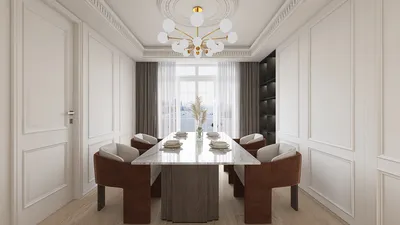


Rooftop rooms represent unique opportunities with their plentiful natural light, stunning skyline vistas, and a distinct detachment from the hustle below. The main concern lies in achieving a balance between temperature management, sound insulation, and safe accessibility while creating a layout conducive to daily living—encompassing work, relaxation, and intimate gatherings—without overwhelming structural integrity or mechanical systems. Utilizing tools like Homestyler can enhance layout efficiency and functionality.
Maximizing daylight is crucial for rooftop environments, but it requires meticulous planning. According to the WELL Building Standard v2, a target of 150–250 equivalent melanopic lux at the eye helps enhance alertness and improve sleep patterns throughout the day. Concurrently, the Illuminating Engineering Society (IES) suggests a task lighting level of 300–500 lux for activities like reading and computer use. This guides my approach, which involves incorporating a combination of diffuse skylight, wall washing, and adjustable task lighting. I steer clear of bare, south-facing windows without shading, as direct glare can soar over 3,000 lux on bright days, significantly affecting visual comfort.
User behavior is as significant as the fixtures themselves. Research from Steelcase indicates that individuals frequently switch between concentration, teamwork, and rejuvenation within a given hour; rooftop rooms can be designed with zones that accommodate these transitions. A compact focus area featuring a 24–30 inch deep desk with a view of the sky, a cozy lounge section for unwinding, and a flexible table with stackable chairs for quick meetings maintain the area’s versatility without creating a cramped feeling.
Site, Structure, and Envelope
On the uppermost floor, temperature fluctuations and water leakage are major concerns. I recommend a high-performance roofing structure equipped with continuous insulation, meticulous airtight sealing around skylights, and a light-colored, high-SRI (Solar Reflectance Index) membrane to minimize heat absorption. For climate control, incorporating ceiling fans alongside a heat pump with a smart thermostat can effectively manage the sometimes stuffy rooftop atmosphere during midday and the chilly air after sunset. Addressing sound disturbances from mechanical equipment and rain is vital, and I implement resilient channels and mineral wool within the ceiling to mitigate reverberation. If there's a need to reconfigure the layout, utilizing a room layout tool can assist in evaluating circulation space, furniture dimensions, and daylight access prior to construction: Homestyler can facilitate these planning needs.
Light Environment: Glare Control, Layering, and Night Comfort
The glazing on rooftop spaces creates intricate contrast dynamics. I include matte finishes near windows, translucent shades with around 3–5% openness to reduce veiling reflections, and indirect lighting—such as linear uplights or cove—which elevates ambient light levels without competing with natural daylight. Task lighting is set at 300–500 lux and is equipped with dimmers to accommodate variations between day and night. Warm-dim fixtures adjust from 3000K to 2200K to create a softer evening atmosphere, minimizing blue light exposure, which aligns with circadian health guidelines established by WELL v2. It’s important to pay attention to vertical illuminance at eye level; an elegant wall wash behind a desk enhances visual comfort more than merely boosting horizontal illumination levels.
Spatial Zoning and Ratios
Rooftop layouts often present unique shapes. I strive for a space allocation of 60% to primary functions (focusing or lounging), 30% to adaptability (tables, movable screens), and 10% to service areas (storage, equipment). Maintaining circulation zones of 30–36 inches allows for smooth movement without any dead zones. If the area is intended to double as a guest room, incorporating a compact wardrobe and a foldable desk that can be stowed away post-work will serve well. Using an interior layout planner, like Homestyler, to simulate the spatial dynamics between furniture arrangement and views can be vital before finalizing the design: interior layout planner.
Color Psychology and Material Choices
Colors significantly influence behavior. Insights from Verywell Mind suggest that blues and greens foster calmness and focus, while warmer shades promote social interaction. Therefore, I opt for muted sage, soft graphite, and bone-white palettes complemented with a singular warm accent (such as ochre or terracotta) to balance out the cool daylight. Material selection should also consider both thermal and acoustic qualities: using wool-blend rugs, upholstered panels, and solid wood edges enhances tactile experiences. For sustainability, I prefer FSC-certified wood, low-VOC finishes, and recycled-content acoustic felts; these selections contribute to better indoor air quality and reduced ecological impact.
Furniture and Ergonomics
Human-centric design ensures comfort. A desk height of approximately 28–29 inches paired with a chair featuring adjustable armrests and lumbar support encourages healthy posture. Screen placement should ensure the top third aligns with eye level, sitting 20–28 inches away. If sloped roofing results in low eaves, utilize them for storage or built-in seating, rather than forcing upright tasks into confined areas. For lounge areas, aim for seat heights around 16–18 inches and side tables positioned at 22–24 inches for easy access to drinks and books.
Acoustic Comfort
Hard roof surfaces can reflect sound energy. To achieve balance, I incorporate absorbing elements—such as rugs, upholstered seating, and acoustic panels—or use perforated wood combined with black acoustic backing for a more aesthetic approach. For small rooms, targeting an RT60 of approximately 0.5–0.7 seconds is ideal for maintaining clear communication without feeling lifeless. If HVAC sounds are an issue, ensuring proper duct lining and isolation from vibrations is crucial.
Daylight, Views, and Privacy
Rooftop views are enchanting, yet privacy can be compromised at higher elevations. I integrate adjustable shades and low-reflectance finishes to minimize nighttime visibility from outside. When incorporating a skylight, it’s best to choose north or east-facing installations for gentler illumination; pairing these with operable windows allows for natural ventilation during transitional periods. If adjacent properties are within sight, orient primary seating away from direct lines of vision and direct attention towards internal design features—such as a book wall, textured surfaces, or potted plants.
Heating, Cooling, and Energy
Due to rooftop exposure, I recommend a variable-speed mini-split unit or heat pump with zoned controls for optimal efficiency. It's vital to meticulously seal any openings to maintain airtightness; failing to do so undermines HVAC performance. Incorporating light-colored exterior surfaces, interior roller shades, and nighttime ventilation can greatly aid in lowering cooling demands.
Access, Egress, and Safety
Rooms on the highest floors must adhere to safety regulations: ensure clear width in stairways, proper headspace at landings, guardrails at roof edges when a terrace is present, and integrated smoke/CO detection connected to the main system. If the space serves as a sleeping area, confirm the availability of compliant egress windows or alternate escape routes.
Styling the Atmosphere
Finish the space with layered elements: a foundational rug, an artistic floor lamp, several tactile throws, and clusters of small plants to introduce biophilic design. Select wall art that is adequately sized for high ceilings to balance expansive windows; a single impactful piece often proves more effective than multiple smaller frames in brightly lit areas. Proper cable management is particularly important in these settings; opting for built-in grommets and charging drawers prevents visual chaos around workspace surfaces.
Small Footprint, Big Impact
In compact areas, avoid placing furniture flush against the walls; instead, float pieces to maintain uninterrupted sightlines and prevent tunnel vision. A slender console table beneath a window paired with a stool can serve as a reading nook without obstructing light; nesting tables or a drop-leaf desk can quickly transform the space for varying uses. Utilizing a room design visualization tool, such as Homestyler, can assist in experimenting with layouts, especially when integrating work and relaxation areas: room design visualization tool.
FAQ
Select skylight glazing with low Solar Heat Gain Coefficient (SHGC) and include translucent shades (3–5% openness). Balance this with indirect uplighting to ensure adequate vertical illuminance; strive for task areas consistently around 300–500 lux, as recommended by the IES.
Opt for cool, muted tones (like soft blues and greens) to promote focus, paired with warm accents to facilitate social interactions. Observation by Verywell Mind indicates blues and greens contribute to calmness, making them effective foundational colors.
Organize the space with approximately 60% dedicated to primary functions, 30% for adaptable uses, and the remaining 10% for storage. Maintain circulation paths of 30–36 inches and utilize movable partitions for rapid transformations of the space.
Incorporate warm-dimming LEDs that transition from 3000K to 2200K to minimize blue light in the evening and support a smooth circadian rhythm consistent with WELL v2 standards.
Combine soft elements (rugs and upholstered seating) with acoustic solutions or perforated timber. Targeting an RT60 around 0.5–0.7 seconds in compact spaces ensures clarity in conversation.
Set desks at 28–29 inches with adjustable seating options that include lumbar support. Monitors should be positioned so that the upper third aligns with eye level, maintaining a viewing distance of about 20–28 inches. Keep task zones in full-height sections, even if the ceilings angle down.
Absolutely—consider a dual-layer shading system that pairs translucent solar screens with blackout curtains for exceptionally sunny days. Alongside a high-SRI roof and night ventilation, this can effectively minimize unwanted heat gain.
Run multiple iterations through a layout simulation tool to evaluate furniture dimensions, daylight access, and necessary clearances; marking critical measurements on-site with tape prior to design commitment can be beneficial.
Choose low-reflectance finishes for interiors and layered shading solutions. Position primary seating at an angle to windows to reduce direct visibility from outside.
Select materials such as FSC-certified timber, low-VOC paints, recycled-content acoustic fabrics, and wool-blend rugs. These selections enhance indoor air quality and furnish warmth without incurring excessive carbon footprint.
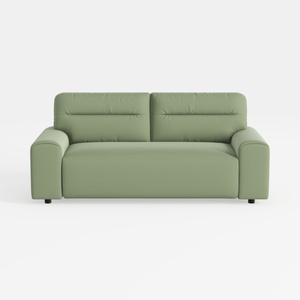
Minimalist Sage Green Fabric Loveseat Sofa 3D Model

Modern Minimalist Green Fabric L Shape Sectional Sofa 3D Model

Minimalist Mint Green Metal Folding Round Side Table 3D Model
Looking to transform your space? Homestyler is your go-to online home design platform! With a user-friendly design tool, stunning 3D renderings, and a wealth of DIY video tutorials, you can effortlessly visualize and create your dream home. Dive into inspiring design projects today!
Design Now for FREE
































