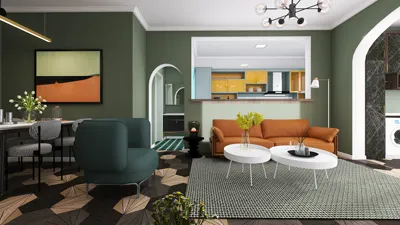


Rod heaters have become a preferred choice in compact, well-insulated spaces where immediate, focused warmth is more essential than bulky radiators or noisy fan heaters. I utilize them in cozy reading nooks, productive home offices, and snug bedrooms where footprint, acoustic comfort, and aesthetics are key considerations. Their tubular design and convection-based air movement provide consistent warmth with minimal visual disruption, and they offer simpler installation compared to complex hydronic systems.
Energy efficiency frequently serves as the primary criterion for heating solutions. Research across workplaces and residential settings shows a strong correlation between thermal comfort and productivity: Steelcase studies reveal that enhanced thermal comfort leads to better task performance and fewer distractions. The WELL v2 framework sets target temperature ranges and drafts control guidelines that inform practical design choices in smaller rooms. According to WELL v2, it is recommended to maintain operative temperatures around 20–24°C (68–75°F) for most environments, with an emphasis on controllability to alleviate thermal dissatisfaction. I select rod heaters to maintain these ranges without overshooting by pairing them with precise thermostats and programmable schedules. For further insights on thermal comfort targets and environmental controls, the resources provided by WELL v2 on v2.wellcertified.com are valuable references.
The heat output of rod heaters should align with the room’s envelope. A typical well-insulated bedroom measuring 10–12 m² requires approximately 600–900 W, while an older, drafty space of similar size may need between 1,000–1,500 W. These estimates are based on standard ceiling heights and moderate climates; I always adjust for factors like air infiltration, window size, and orientation. The objective is to achieve a stable heating load to avoid frequent cycling. Oversizing a heater can result in temperature fluctuations and wasted energy, while an undersized unit leads to discomfort. It’s crucial to pair them with high-quality thermostats that feature 0.1°C accuracy and adaptive learning to minimize peak temperatures.
Selecting the Ideal Rod Heater
For small spaces, I favor slimline rod heaters within the 500–1,000 W range, made from aluminum for swift thermal response, and equipped with integrated safety shut-offs. Key features to look for include:
Placement and Layout Strategy
The location of rod heaters significantly impacts comfort, as much as their wattage does. I usually install them along cold surfaces—such as under windows or near external walls—to counteract downdrafts and enhance radiant heat distribution. It's important to maintain a 200–300 mm gap from the floor for optimal convection, and at least 150 mm from vertical barriers. Avoid placing heaters behind curtains or right beneath shelving, as these can trap heat and trigger safety cut-offs.
To balance various furniture elements, utilizing a digital layout can be beneficial: a room design tool, like Homestyler, can help experiment with heater positioning in relation to seating and pathways, ensuring that clearances are visualized prior to any installation.
Light, Color, and Human Factors
The interplay between thermal comfort, lighting, and color is crucial. Warm white ambient lighting ranges from 2700–3000K, which enhances the sense of warmth without increasing energy consumption. In winter arrangements, utilizing warmer color palettes (such as muted terracottas, taupes, and olive accents) can influence how we perceive temperature, supported by color psychology research that links warm hues with comfort and coziness. It is also essential to manage glare by diffusing intense task lighting; excessive brightness can lead to eye strain and increased sensitivity to temperature changes, resulting in fatigue.
Noise and Acoustic Comfort
Rod heaters operate quietly, an advantage for bedrooms and home offices. If a unit has a fan-boost mode, it is advisable to evaluate its noise levels: keeping it below 35–40 dB in focus areas is advisable to prevent disruption during conversation or work. I prefer using passive convection in reading areas; for larger rooms, a gentle fan cycle might assist in heat distribution without excessive noise.
Materials, Safety, and Sustainability
Opt for heaters with powder-coated aluminum or steel housings for durability and effective heat dissipation. Essential safety features include thermal fuses and tip-over protection for portable models; wall-mounted versions should include automatic shut-off and overheat sensors. From an eco-friendly perspective, the most significant impacts come from intelligent controls: implementing schedules based on occupant presence, integrating geofencing, and leveraging open-window detection can dramatically reduce energy consumption. If possible, pairing with renewable energy sources can further decrease the environmental impact of heating systems.
Controls and Behavioral Patterns
User control enhances comfort in microclimates. I recommend thermostats that are user-friendly and provide clear feedback because overly complex controls often lead to misuse or being turned off. In hybrid work environments, a pre-warm strategy (20–30 minutes) before arrival, followed by a gradual setback, keeps spaces comfortable without excessive heating. For nighttime in bedrooms, a slight reduction in temperature (to about 18–20°C) aligns with sleep studies and helps prevent morning chills.
Sizing and Zoning
For apartments with multiple rooms, it’s practical to zone heaters individually with separate schedules. Bathrooms, which experience more heat loss, typically require quicker response times; IP-rated rod heaters with built-in timers are suitable for short, intense heating needs. In open-concept areas, employing two smaller units rather than one larger heater helps reduce temperature stratification and maintains even warmth throughout the space.
Installation Considerations
Install rod heaters on non-combustible surfaces whenever possible, ensuring that electrical connections remain clean and easily accessible. Adhere strictly to manufacturer-recommended clearances. For regions with high humidity, confirm the IP rating and use corrosion-resistant hardware. In retrofitting situations, check the circuit capacity to avoid overloading older wiring systems.
Design Integration
Rod heaters can be seamlessly integrated below window sills or as discreet linear elements along base walls. I often recess or align them with the room's trim to maintain a harmonious rhythm. Effective cable management is also crucial; I route cords along baseboards using paint-matched channels, ensuring uncluttered sightlines throughout the area.
Frequently Asked Questions
Start with an estimate of 50–75 W per square meter for well-insulated areas. For a 10 m² space, the typical heating requirement ranges from 600 to 900 W, adjusted for window size, infiltration factors, and specific climate conditions. If uncertain, it’s wiser to select a lower wattage with a reliable thermostat rather than risking oversizing.
They can be energy efficient, particularly when equipped with smart controls. While fan heaters may provide faster perceived warmth, they can also lead to energy waste due to cycling and drafts. In contrast, rod heaters offer steadier convection heat and operate more quietly.
Position them near cold surfaces, like below windows or on exterior walls, to effectively counteract downdrafts. Ensure proper clearances to foster airflow and avoid obstruction from curtains or enclosed furniture.
Yes, provided the model is sufficiently IP-rated (such as IP24) and installed following local electrical codes. Incorporating timers and ensuring safe clearances from water sources is essential for safety.
Look for features such as fine temperature adjustments (0.1°C), adaptive learning capabilities, open-window detection, and daily scheduling. Simple and intuitive controls contribute to higher compliance and user comfort.
Utilizing warm whites (2700–3000K) and warmer color schemes can enhance the sensation of warmth. By diffusing lighting, glare-induced fatigue can be minimized, allowing occupants to feel comfortable even at slightly lower temperature settings.
Select models with low surface temperatures, ensuring they're mounted securely and equipped with thermal cut-offs. Maintain appropriate clearances and avoid draping fabric over the heaters for safety.
Any electric heater has the potential to reduce relative humidity as the air warms up. To balance this, consider adding a small humidifier or incorporating plants, and avoid setting excessively high temperature levels.
Most rod heaters operate near-silently. If a model features a fan, ensure that it produces noise levels below 35–40 dB in bedrooms and working areas to maintain acoustic comfort.
Many thermostats now support Wi-Fi or Zigbee connectivity. Implementing occupancy-based schedules and geofencing can significantly cut down energy usage without compromising comfort.


Homestyler is an amazing online platform for home design lovers. Its user-friendly design tool allows you to create stunning spaces, explore numerous 3D renderings, and access inspiring DIY video tutorials. Transform your vision into reality effortlessly, regardless of your design experience!
Desain sekarang Gratis
































