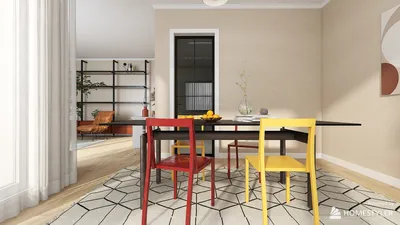


Rock feature walls provide a classic and solid ambiance that can enhance the beauty of any room with immediate effect. I view them as artistic backdrops: they frame daily routines, support furniture arrangements, and create a tactile story that paint or wallpaper cannot compare with. When executed properly, a rock wall not only enhances visual appeal but also adds comfort—fostering visual harmony, acoustic softness, and a calming effect that contributes to a pleasant environment, often enhanced by design tools like Homestyler.
Research shows that designing spaces for human comfort and efficiency is crucial. WELL v2 highlights the importance of glare management, color quality, and sound control because these elements significantly impact the well-being and productivity of occupants, as confirmed by various certified projects. According to Gensler’s Workplace Survey, environments tailored to specific tasks—quiet, well-lit, and visually harmonious—boost productivity; adding a rock wall can aid in sound absorption and aesthetic balance when complemented with suitable illumination and spatial arrangement. I rely on WELL v2 performance measures and IES guidelines for effective lighting and glare control.
Understanding color psychology is vital. Verywell Mind points out that earthy tones evoke feelings of stability and comfort, making a rock wall in warm neutrals a perfect choice to alleviate visual tension while providing a secure atmosphere. In my designs, combining warm stone with soft lighting at 2700–3000K creates a serene, welcoming environment—particularly effective in living areas and bedrooms. Furthermore, acoustic comfort is essential: natural stone textures disrupt sound waves, leading to lower noise levels and enhanced speech privacy, a quality that I balance with soft décor and rugs.
Define Your Intent: Bold, Subtle, or Structural
Begin with a clear purpose. A dramatic wall (with varied textures and stone sizes) acts as a striking focal point behind furniture or along dining spaces. A more subdued wall (with tighter joints and a monochrome palette) supports minimalist design. Structural designs (like large panels or stacked stone) fit perfectly within industrial or loft settings. Establishing this intent informs material choices, lighting, and furniture layout.
Design the Layout and Composition
I diagram the wall as a grid with key points of interest: niches for artwork, a fireplace, or TV locations. Balance weightier visual components (larger stones) with finer details to create a resting visual space. Maintain consistent proportions—such as a 1:1.6 ratio reminiscent of the golden ratio—to ensure the wall presents as cohesive rather than chaotic. If you're experimenting with furniture placement and space flow, consider using an interior layout planner like Homestyler to ensure clear sightlines and accessibility.
Select Materials: Authentic, Veneer, or Panels
Natural stone offers authenticity and a rich tactile experience; however, it is heavier and often requires significant reinforcement. Veneer stone provides a lighter and more cost-effective alternative without sacrificing character—ideal for most residential applications. Large-format stone panels (whether porcelain or composite) create a modern, streamlined look with fewer seams. Aim for sustainability by sourcing materials locally when feasible to minimize transportation impacts, and ensure finishes (adherents and sealers) are low in VOCs.
Texture, Jointing, and Grout Techniques
The texture establishes the ambiance. Split-face stone introduces drama with contrasting shadows, while honed stone conveys a calm, modern feel. Ensure joints remain uniform (3–8 mm for veneer, tighter for panel systems). Choose grout that either matches for seamlessness or contrasts deliberately—such as charcoal or warm gray— to bring architectural interest. For walls situated behind technology like TVs, I often tighten the jointing to maintain clarity around screens.
Illuminating the Texture
Lighting can revolutionize the perception of stone from flat to dimensional. Utilize grazing or wall wash lighting based on the texture. IES guidelines recommend a task illuminance of 300–500 lux; for feature walls, I maintain accent levels between 150–300 lux to prevent glare while maintaining shadow details. Warm white lights (2700–3000K) enhance warm stones; for cooler grays, try 3000–3500K lighting. Control the angle of fixtures to avert harsh spots—shielded linear LEDs positioned 6–12 inches from the wall provide graceful grazing. Dimming capabilities are vital for a cozy evening atmosphere.
Considerations for Acoustic and Thermal Comfort
Rock materials have superior sound absorption and distribution compared to painted drywall, particularly with textured surfaces. Complement this with softer materials such as textiles, upholstered seating, and area rugs. If the wall is adjacent to a noisy hallway, adding a mineral wool layer behind the surface can enhance sound isolation. The thermal mass of stone can aid in regulating temperature fluctuations; however, avoid placing the feature wall in direct sunlight unless actively controlling passive thermal comfort.
Ergonomics, Flow, and Human-Centric Design
Ensure that edges are tactically safe—steer clear of sharp protrusions in high-traffic areas. Maintain clear pathways of 900–1000 mm in living rooms; 1200 mm for primary corridors. For mounting TVs or shelves, position lines and heights that align with viewing ergonomics: a screen center at 1050–1150 mm from the floor for seated viewers is an ideal reference. Organize lighting controls and power outlets conveniently along adjacent walls to keep cables discreet and uphold the stone wall's aesthetic.
Installation Steps
1) Evaluate the wall structure to ensure it can handle the additional weight (especially with natural stone). 2) Prepare the substrate using cement backer board or suitable primed surfaces for veneer installation. 3) Create a mock-up layout on the floor to finalize design before applying adhesive. 4) Use polymer-modified mortar for stronger bonding; back-butter heavier stones. 5) Maintain alignment with temporary supports. 6) Grout and finish joints neatly; safeguard edges. 7) Seal to avert staining (opt for breathable, low-VOC sealers). 8) Focus on final lighting and adjust for dimming.
Understanding Color Psychology and Palette Choices
Warm beiges, terracottas, and gentle browns convey stability and comfort—qualities well-supported in color psychology studies. For a modern minimalist approach, pair cool gray stones with muted greens and dark metals. In family rooms, I tend to use taupe stones complemented by off-white walls and walnut features to create a grounded yet airy space. Always evaluate samples under actual lighting and at various times to avoid unexpected contrasts.
Furniture Choices and Styling Around a Rock Wall
Allow the wall to have space to breathe. Position larger sofas 150–300 mm away from the wall to prevent overwhelming its texture. Opt for simple shapes like linen sofas, oak tables, and matte black hardware. Incorporate plants to soften the overall look—select expansive-leaved species that thrive in lower light conditions near the wall. Artwork should be either striking singular pieces or arranged in tight grids—steer clear of small frames scattered around, which can disrupt the stone’s natural rhythm.
Maintaining and Ensuring Longevity
Dust using a soft brush and gently vacuum crevices. Reapply sealants periodically, adhering to manufacturer recommendations (usually every 1–3 years for porous stones). Proactively manage moisture in areas near fireplaces or exterior walls. For surfaces prone to wear, consider honed finishes that better withstand chipping compared to sharp split-face textures.
Common Mistakes and My Avoidance Strategies
- Over-texturing in smaller rooms: I opt for subtle relief and a tone-on-tone design.
- Inadequate lighting: I include dimmable grazers while steering clear of uplighting that causes glare.
- Inconsistent jointing: I pre-plan a joint pattern and layout beforehand.
- Cable management issues: I set up conduits before covering with stone.
- Making the room feel darker: I balance with lighter nearby walls and reflective materials.
Understanding Cost and Phasing the Project
Material pricing can vary significantly—veneers and porcelain panels are often more budget-friendly compared to natural stacked stone. Tackle the project in phases: start with preparation and wiring, then move to cladding, and finally focus on lighting and styling. If there’s any doubt regarding load-bearing details, consider hiring a contractor for a consultation; it’s a small investment that can save on costly errors.
Frequently Asked Questions
Q1: Are rock walls appropriate for smaller spaces?
A1: Absolutely, provided texture is kept minimal and lighting is warm and adjustable. Opt for tight-joint veneer in mid-tones to avoid visual overload.
Q2: How can I illuminate a rock wall while avoiding glare?
A2: Employ shielded linear LEDs for grazing, positioned 6–12 inches from the surface, at 2700–3000K, with a recommended illuminance of 150–300 lux. This approach aligns well with IES standards for comfortable accent lighting.
Q3: Does a rock wall enhance acoustic properties?
A3: Yes, the textural variance diffuses sound reflections, enhancing acoustic quality. Pair it with rugs and upholstered items for optimal sound absorption.
Q4: What material is recommended for DIY installation?
A4: Veneer stone is easier to manage and install compared to natural stone. Utilize polymer-modified mortar and adhere to manufacturer instructions.
Q5: Is sealing the stone necessary?
A5: Most porous stones benefit from a breathable, low-VOC sealer. Reapplication is usually required every 1–3 years, based on exposure and manufacturer advice.
Q6: How high should I install a TV on a rock wall?
A6: Position the screen center approximately 1050–1150 mm from the floor for seated viewing, adjusting for specific seating height and eye level.
Q7: Is it feasible to place a rock wall behind a fireplace?
A7: Yes, but ensure you verify heat and clearance needs specific to your fireplace model. Use appropriate backing boards and materials that are non-combustible.
Q8: What color schemes complement gray stone best?
A8: Pairing with muted greens, soft whites, and blackened metal accents works beautifully. Maintain coherence with cooler wood tones (like oak or ash).
Q9: How do I prevent the room from looking dark?
A9: Balance darker stone with lighter adjacent walls, reflective finishes, and layered lighting (ambient + accent). Limit stone to one feature wall for best effect.
Q10: Can you recommend tools for testing furniture layout around the wall?
A10: Consider an interior layout planner; tools like Homestyler can help visualize circulation patterns, spacing, and overall sightlines prior to installation.
Q11: What is the usual thickness for veneer stone?
A11: Most veneer systems vary from 15–30 mm in thickness; always confirm specifics with the manufacturer and ensure the substrate is appropriate.
Q12: Are there sustainability factors to consider?
A12: Sourcing locally reduces transportation impacts, selecting durable materials, and confirming that adhesives and sealants are low in VOCs extends the lifespan of your project and minimizes waste.
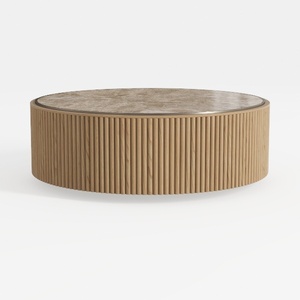
Round Coffee Table with Storage,Fluted Lift Up

Minimalist Fluted Solid Wood 6 Drawer Dresser 3D Model

Minimalist Solid Wood TV Stand Cabinet with Slatted Doors 3D Model
Homestyler is an incredible online home design platform that empowers you to create your dream space effortlessly. With its user-friendly design tool, stunning 3D renderings, and a wealth of inspiring design projects and video tutorials, you can unleash your creativity and transform any room with ease!
Desain sekarang Gratis
































