

As we move towards the future, the design of studio apartments must evolve to address issues such as sound interference, storage challenges, and poor circulation. I view every square foot of space as a vital component. Recent insights from Zillow indicate that compact urban listings featuring integrated storage and adaptable layouts see higher retention rates, demonstrating that precise design is now crucial in the market. In this context, the floor plan for studio apartments serves as a foundational guideline for our future living environments, as time, light, and technology come together seamlessly. By leveraging tools like Homestyler, designers can visualize and enhance these layouts effectively.
North–South Ribbon Layout
Design Concept: A linear ribbon organizes activities such as cooking, working, and resting along a single axis, aligning with the upcoming trend of micro-mobility at home, emphasizing streamlined movement.
Movement: The sequence from entry to pantry wall, through the galley kitchen to the desk bay, and finally to a sofa that converts into a bed, is designed to prevent cross-traffic.
Visually: Extended sightlines towards windows enhance spatial depth, while partial screens introduce interface layers without compromising visibility.
Storage Solutions: A full-height wall acts as a storage solution comprising 16–18 inch deep modules, overhead bins, and toe-kick drawers that function as compressed storage buffers.
Furniture Dimensions: A sofa-bed of 72–76 inches, a drop-leaf table measuring 30 x 36 inches, and a task chair that tucks at 20 inches create strict parameters to avoid overlaps.
Conclusion: This ribbon layout resembles a streamlined terminal—quick to navigate, clear to understand, and adaptable for new technologies over the next five years.
save pinOpen in 3D Planner Processing...
Perimeter Loop with Center Node
Design Concept: The layout maximizes space along the perimeter, while a central island functions as a hub where work, dining, and social interactions converge.
Movement: The pathway from the door to the wardrobe niche, through the loop counter to the island node, and then to the lounge bay forms a circular route that minimizes bottlenecks.
Visually: A low island preserves breathtaking views, while taller elements are placed against shorter walls to prioritize windows, serving as the home’s dashboard.
Storage Solutions: The base and upper cabinets create tiered storage, with a 24-inch deep utility column accommodating seasonal items.
Furniture Dimensions: A 36-inch clearance ring around the island, two stools at 18 inches wide, and a lounge chair occupying a 30-inch footprint ensure no space is wasted.
Conclusion: This loop layout acts like a reliable network; it maintains high performance and gracefully adapts when hosting guests or managing increased demands.
save pinOpen in 3D Planner Processing...
Diagonal Gradient Studio
Design Concept: A diagonal line spans from corner to corner, transitioning from active to tranquil spaces—future routines can align with dynamic energy patterns rather than traditional layouts.
Movement: The flow from entry to a diagonal prep bar, workstation, media shelf, and sleep alcove creates a pathway that streamlines daily activities.
Visually: Angled partitions enhance views, layering the space with functional tools in the foreground and restful areas in the background.
Storage Solutions: Drawers under the bed, a corner carousel, and overhead rail bins offer various solutions tailored to different usage demands.
Furniture Dimensions: A 24–30 inch deep prep bar, a 48 inch desk, and a 60 inch bed positioned to respect the diagonal add functionality, guided by angles rather than just walls.
Conclusion: This gradient design prepares for life's natural fluctuations; even five years from now, it remains efficient, tranquil, and intentionally designed.
save pinOpen in 3D Planner Processing...
Final Insights
The design of a studio apartment floor plan should function like software: it requires fluid updates, intuitive interfaces, and precise limitations. Variants such as micro loft layouts and open-plan studio designs flourish when their flow, storage solutions, and visual pathways are expertly calibrated to meet human needs. Long-term requirements—from home office setups to adaptable bed systems—are seamlessly accommodated when the spatial framework is clear. Through tools like Homestyler, we can envision tomorrow's smartest studios, which may appear compact, but greatly enhance daily living experiences.
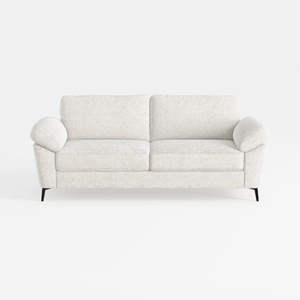
Minimalist Fabric Loveseat Sofa with Black Metal Legs 3D Model

Minimalist Fabric Oversized Sofa 3D Model
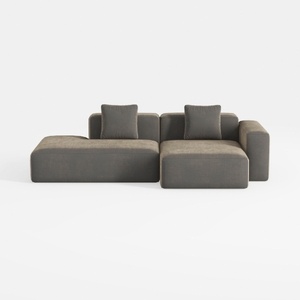
Minimalist Fabric L Shape Sectional Sofa with Throw Pillows 3D Model
Homestyler makes home design easy and enjoyable for everyone! With its user-friendly online design tool, stunning 3D renderings, and an array of engaging video tutorials, you can creatively express your ideas and transform your space into a dream home effortlessly.
지금 무료로 디자인하세요
































