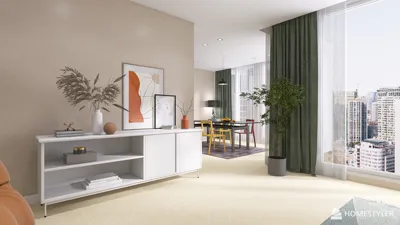


As we move forward, the demand for efficient living spaces continues to rise, yet many individuals remain attached to traditional living habits. I observe this trend daily among clients who favor smaller square footage coupled with more purposeful designs. The American Institute of Architects (AIA) has noted a consistent interest in versatile residential areas, even as our physical spaces diminish—demonstrating that design interaction holds greater significance than mere size. In this context, a 16x40 tiny house floor plan embodies a new language for modern living practices. The future is approaching rapidly, and I'm already interpreting its implications through the innovative capabilities of Homestyler, a valuable spatial reasoning tool.
Front Porch Studio Spine
Design Logic: This design introduces a small front micro-porch leading into an elongated studio spine, utilizing the 16x40 space as a continuum—from public settings to private quarters, adapting to the evolving norms reflected in the NAHB/Houzz research.
Flow: The progression moves from the threshold to a flexible living/desk area, then to the galley kitchen, pocket laundry, wet-room bath, and concludes in a rear sleeping alcove; a straightforward sequence streamlining functionality and minimizing conflicts.
Sightlines: Views are strategically arranged, from a low horizon in the living space, a mid-range glimpse of the kitchen's sleek metal surfaces, culminating in the privacy of the sleeping area—an intricate layering of visibility that precedes privacy.
Storage: Features such as toe-kick drawers, overhead bins, and a wall-depth pantry serve as an organized storage solution, complete with marked access points to enhance efficiency in retrieval.
Furniture Fit: Designed to accommodate a 72-inch sofa with a nesting table, a 24-inch deep desk dock, and a galley with 30-inch clearance; a specific bed nook efficiently houses a queen bed with 24-inch side spaces.
Verdict: It presents a linear setup: easy to grasp, yet challenging to outgrow. Over five years, this design transitions from a solo workspace to a dual user model without the need for significant reconfiguration.
save pin
Center Core with Dual Flex Rooms
Design Logic: This floor plan divides the 40-foot stretch into two 12-foot flexible rooms flanking a 16-foot service core, answering the growing need for adaptable spaces that can shift between work and personal use.
Flow: The entry at the side leads into flex room A (capable of functioning as a workspace or guest area) and flows into the central core that includes kitchen, bath, and mechanical areas, and completes in flex room B (sleeping/media); this configuration avoids dead ends, much like an effective workflow.
Sightlines: Shelving screens with perforations allow for partial visibility, ensuring that only silhouettes are seen, which helps maintain focus while elongating the perceived space.
Storage: The core wall functions as a central cache, with wardrobes 18 inches deep, pull-out broom storage, and an attic access point above the bath for seasonal items.
Furniture Fit: The space features a Murphy queen bed (60 inches wide by 80 inches high) with adequate swing clearance. A drop-leaf table at 30 inches by 60 inches and versatile modular ottomans provide flexible seating arrangements.
Verdict: It establishes a balanced architecture that supports various roles. Over five years, it accommodates lifestyle changes without needing extensive renovations.
save pin
Split-Level Loft Over Services
Design Logic: By positioning services beneath a loft, this design optimizes vertical space usage, allowing for a dual-purpose area suitable for sleeping or focused work. The future of living prioritizes multi-layered designs over expansive ones.
Flow: The entry leads into the living area, with a switchback stair ascending to the loft, while essential services like the kitchen, bath, and laundry run beneath, enhancing circulation and freeing up main pathways.
Sightlines: Diagonal angles connect the loft's edge to the living space below, providing a comprehensive feel. Privacy can be adjusted through slatted railings that allow light to filter yet obscure movement.
Storage: Incorporating stair drawers, soffit lockers, and grids in the bath creates a tiered storage system for various items, catering to both quick access and long-term needs.
Furniture Fit: This layout features a low-profile sofa, a round table suitable for shared activities, and a loft area designed to fit a queen mattress, all while maintaining compact appliances to preserve space efficiency.
Verdict: This vertical design translates into an additional layer of living. Over five years, it sustains various functions—whether focusing, sleeping, or entertaining—without losing efficiency.
save pin
Final Takeaway
Ultimately, a 16x40 tiny house floor plan represents not a limitation but a sophisticated approach to everyday living, adaptable without major upheavals. With micro-home design strategies and optimized small footprints, the focus shifts to the interface: less volume, yet greater precision. My experience tells me that the most innovative homes of the future won’t necessarily be larger; they will be more intentional, and consistently, I witness how smaller spaces can embody substantial and thoughtfully organized designs with the assistance of tools like Homestyler.

Minimalist Brown Velvet L Shaped Sectional Sofa 3D Model
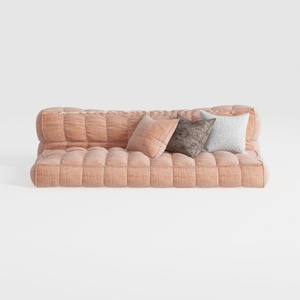

Minimalist Blush Fabric Tufted Contemporary Sofa 3D Model
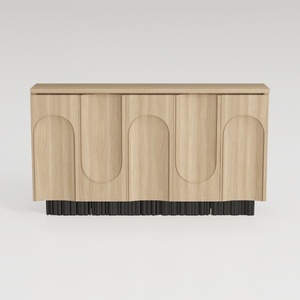
Minimalist Solid Oak Wood Sideboard with Fluted Black Base 3D Model
Homestyler is your go-to online platform for home design. With its easy-to-use design tool, stunning 3D renderings, a plethora of design projects, and helpful DIY video tutorials, you can effortlessly create and visualize your dream space. Transform your ideas into reality today!
Progetta ora GRATIS
































