


As we look towards the future of living, the design of today's homes still grapples with issues like inefficient circulation and inadequate storage. According to Zillow, properties featuring adaptable layouts and work-friendly alcoves have experienced significant engagement since 2020. This observation suggests that the trend toward 2000 sq ft house plans in Kerala is revolutionizing our approach to domestic architecture. I conceptualize these designs similarly to software, where each room serves a purpose, and verandas function as transitional spaces. My goal is to optimize them for factors such as monsoon light, cross-ventilation, and the evolving balance between work and life. A useful tool in this reimagining is the Homestyler platform, which enhances spatial reasoning.
Court-Yard Spine with Veranda Envelope
Design Considerations: The central courtyard emerges as the core for both thermal comfort and social interaction; Kerala's climatic needs demand shade, airflow, and proximity which this design effectively addresses for the upcoming decade.
Pathway: Entry → sit-out veranda → living space → courtyard → dining → kitchen/utility; bedrooms serve as modular extensions branching off from the quieter areas of the home.
Sightlines: The design integrates layered diagonals that create a visual connection from the living area to the green space and onto the dining, while thresholds operate akin to user interface tabs that manage privacy levels.
Storage Solutions: Ample lofts above corridors, along with a dry pantry and wet utility area, function as dual storage options; niches for shoes and linens are strategically placed to maintain space efficiency.
Furniture Placement: Design circulation with margins of 900–1000 mm; low-profile teak furniture aligns harmoniously with the edges of the verandah, while built-in elements frame courtyard views.
Conclusion: Five years down the line, this blueprint continues to deliver: it maintains microclimate resilience, supports hosting rituals, and adapts easily for hybrid work environments.
save pin
Axial Living with Split Private Ring
Design Considerations: Anchoring the living and dining areas along a single axis allows bedrooms to form a quiet ring. Future work pods can be integrated into this ring without disrupting the main flow.
Pathway: Foyer → living → dining → kitchen; the ring efficiently accommodates 3–4 bedrooms, a study nook, and a prayer alcove, with utility access leading to the backyard for service routines.
Sightlines: The design controls long views across the living-dining area and offers framed vistas to the garden, optimizing visual hierarchy to minimize distractions.
Storage Solutions: Continuous wardrobes at the ring level, pull-out benches in the dining area, and attic storage above the kitchen ensure a clutter-free environment.
Furniture Placement: Sofa dimensions at 900 mm depth, dining table sized 2100 x 900 mm, and modular puja nook at 600 mm—each element respects the window and door rhythms outlined by the design.
Conclusion: This layout creates a reliable interface, facilitating gatherings while ensuring peaceful resting environments. Its flexibility makes it suitable for aging-in-place and remote working scenarios.
save pin
Monsoon-Optimized L-Plan with Service Dock
Design Considerations: The L-shaped design creates wind corridors and rain-shedding edges; roofs and overhangs in Kerala function like protecting firmware against seasonal fluctuations.
Pathway: Carport → sit-out → living area along the longer side; kitchen and utility are situated on the shorter leg leading to the dining area; bedrooms are nestled into the elbow for enhanced acoustic comfort.
Sightlines: Jali screens provide unique perforated views; the L-shaped corner frames the garden beautifully, increasing privacy toward the elbow.
Storage Solutions: A dedicated mudroom at the service dock, ventilated shelves in the wet room, and drawers under the bed help prevent clutter from taking over living spaces.
Furniture Placement: The corner sectional is designed to accommodate a 1200 mm turning radius, while a study desk is positioned 1500 mm under a shaded window, with outdoor charpoy fitting comfortably within the verandah bays.
Conclusion: This design is tailored for seasonal weather, maintaining flexibility for hosting, working, and managing airflow, akin to programming code, even five years into the future.
save pin
## Final Thoughts
The single-floor 2000 sq ft Kerala blueprint transcends conventional floor plans. It serves as a living interface finely attuned to climate, family dynamics, and professional needs. Variants such as courtyard spines and L-configurations function as instructional frameworks for handling monsoons, maximizing light, and facilitating social connections. The detailed elements—such as sit-out ratios and service docks—can significantly influence daily living efficiency. From my perspective, the most innovative homes of tomorrow will not necessarily be grander but rather more thoughtful in their design, often aided by tools like Homestyler to enhance the experience.
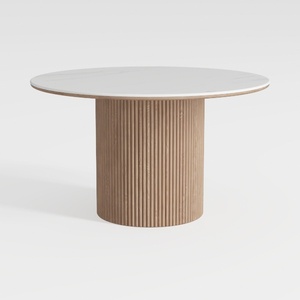
Minimalist Fluted Solid Wood Marble Top Round Dining Table 3D Model
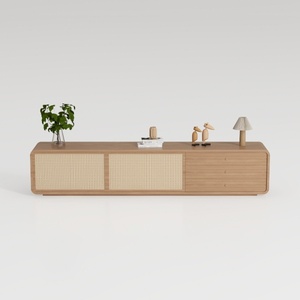
Minimalist Japandi Oak Rattan TV Cabinet 3D Model
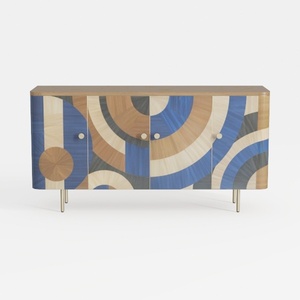
Art Deco Geometric Pattern Solid Wood Sideboard with Metal Legs 3D Model
Homestyler is your go-to online home design platform, perfect for anyone looking to create stunning interiors effortlessly. With its user-friendly design tool, breathtaking 3D renderings, and a wealth of DIY video tutorials, you can transform your space and bring your design visions to life with confidence!
立即免费设计
































