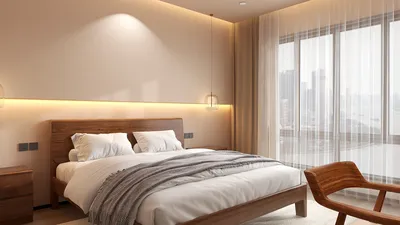


The future of living embraces shared autonomy and micro-mobility, while our current buildings often suffer from congested entrances and obstructed corners. I approach the design of ground-floor parking as an intricate system that addresses these challenges. Industry statistics continue to emphasize this transition—NAHB reports an ongoing demand for adaptable garages that can serve multiple purposes—and that signals the need to rethink the ground floor layout. Within this framework, a 2D ground floor parking layout becomes the foundational code for how individuals will arrive, park, and seamlessly transition into their homes, often supported by tools like Homestyler to visualize these concepts effectively.
spatial reasoning toolkit
Loop-Through Car Court + Micro-Mobility Spine
Design Logic: A perimeter loop manages peak traffic times effectively, while a central spine allocates space for e-bikes and scooters. Autonomy-ready curb points also facilitate hands-free docking, enhancing the experience for future users.
Flow: Entry → slow loop → drop-off point → micro-mobility path → elevator vestibule; this design eliminates dead ends, creating a continuous flow of movement.
Sightlines: Low bollards, mirrored corners, and sight cones at 120° enable clear visibility for drivers, riders, and pedestrians, enhancing safety and efficiency.
Storage: Wall-mounted racks, charging lockers, and clearly labeled spaces act as an organized system, categorizing devices by their size and charging status.
Furniture Fit: Compact parking bays measuring 8'6"×18', scooter storage located at 24" intervals, and benches in vestibules sized for comfort without blocking movement.
Verdict: This loop-and-spine configuration adapts to the influx of autonomous vehicles and the rise of micro-mobility solutions, making decisions easy and safe for users.
save pin
Shared Flex Bay + Service Ribbon
Design Logic: A versatile bay transforms between delivery staging, car-sharing, and weekend workshops, while the service ribbon directs utilities similarly to an API.
Flow: Arrival → QR access → flexible dock → tool station → waste/charging area → exit; each stage follows a clear, predictable sequence.
Sightlines: Transparent roll-up doors and contrasting floor bands indicate statuses—occupied, available, charging—similar to traffic lights.
Storage: Pegboards, vertical storage bins, and labeled drawers help manage seasonal items with efficient access and organization.
Furniture Fit: Modular workstations at a depth of 30", folding seating, and mobile charging units adapt to the flexible needs of the space.
Verdict: This flex bay design accommodates daily variabilities, turning the parking area into a functional interface without expanding the overall footprint.
save pin
Pedestrian Safe Core + Rain-Screen Edge
Design Logic: A secure center pathway for pedestrians, strollers, and carts alleviates current anxieties; rain-screen edges protect from weather effects and glare for safer transitions.
Flow: Sidewalk → covered canopy → safe passage → lobby airlock → elevator; this movement pattern resembles a calming progress indicator.
Sightlines: Backlit displays and perforated panels convey crucial information—destinations, timing, safety—without overwhelming noise.
Storage: Nooks for parcels, umbrella holders, and stroller spaces manage small needs effectively, avoiding clutter.
Furniture Fit: Bench islands at 16" height, canopies at 9'6" for clearance, and turning radii of 60" for carts ensure a responsive user interface.
Verdict: Prioritizing pedestrian-friendly designs transforms the arrival process into a thoughtful experience while preparing for the next five years of logistics from curb to door.
save pin
Final Takeaway
A 2D plan for ground floor parking is far more than just a static blueprint; it acts as a dynamic interface that orchestrates arrivals, autonomous functions, and weather considerations. By integrating adaptable garages, micro-mobility paths, and pedestrian-safe areas, this plan serves as a vital link between mobility and home living. From my perspective, the most advanced homes of the future won't necessarily increase in size—they'll become more purposeful; I continually design these ground floors akin to software that updates subtly, ultimately reshaping our experiences, with tools like Homestyler providing essential visual insights into these transformations.
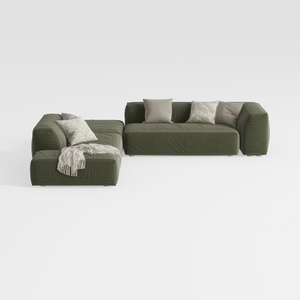
Minimalist Modern Fabric L Shaped Sectional Sofa with Throw Pillows 3D Model
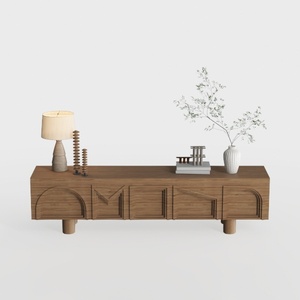

Minimalist Carved Solid Wood TV Stand Console Table 3D Model

Sideboard Buffet Cabinets with Storage, Modern
Discover the magic of home design with Homestyler! This user-friendly platform features an intuitive online design tool, stunning 3D renderings, and a wealth of inspiring design projects and video tutorials. Perfect for anyone looking to create their dream space effortlessly.
立即免费设计
































