

Premabhai Hall is a significant part of Ahmedabad's cultural landscape, representing an iconic Brutalist structure that thrived on theatrical performance, community discussions, and urban interaction. Conceived by B.V. Doshi during the 1970s, its stark concrete architecture embodies a transitional era for the city, moving towards modernization while still embracing public life. Throughout my exploration of various performing arts spaces, I've observed that venues like Premabhai evolve beyond mere structures; they become vital hubs where community stories are expressed and preserved.
Arts facilities demonstrate considerable community influence when elements like accessibility, acoustics, and social programs are thoughtfully integrated. Research by Steelcase highlights that environments promoting connection can boost perceived engagement by up to 17% in collaborative settings—a concept that applies equally to civic spaces, where audience unity and social engagement are crucial. The WELL Building Standard (WELL v2) emphasizes the importance of experience-driven environments, revealing that optimized lighting and acoustics play a role in lowering stress levels and enhancing comfort among occupants. These standards, while designed for modern application, shed light on how Premabhai's spatial clarity, spacious lobbies, and prime urban location contribute to its cultural significance.
In public venues, both lighting and sound significantly influence audience behavior. The Illuminating Engineering Society (IES) suggests maintaining 200–300 lux in lobby areas to ensure safe movement while retaining visual comfort, with theatres often opting for 100–200 lux before performances to help audiences orient themselves without sacrificing atmosphere. In the late 20th century, effective glare control and the transition of color temperature from warm lobbies to neutral stage lighting carefully guided audience engagement. Premabhai's Brutalist design, featuring deep overhangs, recessed windows, and solid walls, naturally facilitated glare reduction and sound isolation, which is essential in bustling urban locations.
Architectural Intent and Urban Context
Doshi’s design emphasized civic visibility, utilizing expansive volumes, straightforward symmetry, and an organized circulation system. The building's placement along the urban axis established it as a cultural landmark, providing a reliable location for gathering and orientation. In my design work, I prioritize sightlines that guide visitors from the busy streets into the more tranquil environment of the performance space. Premabhai effectively achieved this flow by incorporating tiered lobbies and strategic voids that invite the city inside.
Materiality: Concrete as Civic Expression
While Brutalist concrete can often be stark, at Premabhai, it reflects an openness to the civic space. The seamlessness of the surfaces allows the hall to present itself as a unified public statement. The concrete's thermal properties effectively insulate the interiors against Ahmedabad's heat, while sharp edges grant the hall a dignified profile. In similar renovation projects, we have improved comfort by adjusting reflectance—introducing limewash or lighter acoustic panels to soften light contrasts and enhance sound clarity, all while respecting the architectural aesthetics.
Spatial Ratios and Audience Experience
An effective performance hall requires a balance between intimacy and capacity. The proscenium design, sloped seating, and foyer-to-auditorium ratio influence visitor flow, anticipation, and sound focus. I advocate for a generous 1:1.2 circulation-to-seating ratio during busy events to prevent congestion; in tighter spaces, careful layering of vestibules and staggered stair configurations can maintain an unrestricted flow. Premabhai’s terraced volumes likely facilitated crowd movement, with its terraces functioning as pressure relief areas during intermissions and public gatherings.
Acoustic Comfort and Performance Clarity
To maintain speech clarity, the ideal reverberation time for spoken word is between 0.8 and 1.2 seconds, while musical performances may require a longer duration. Brutalist architectures can create issues like flutter echoes; thus, incorporating diffusive materials—such as textured concrete, timber slats, or fabric baffles—is crucial. In civic halls I've worked on, we harmonize sound absorption at the back with diffusive elements on the sides to maintain warmth without obscuring consonants. The solid construction of Premabhai likely established a reliable noise floor, with adjustments dependent on the specifics of the orchestra shell and the density of upholstered seating.
Lighting Environment: From Arrival to Performance
Audience behavior is influenced by a distinct luminance gradient. Pre-performance environments should maintain lighting levels of 100–150 lux in seating areas for safe movement, dimming to around 30–50 lux in aisles once performances commence. Warm lighting (2700–3000K) in lobbies encourages social interaction, while neutral lighting (3500–4000K) is optimal for backstage activities. Reducing glare through deep set openings, matte finishes, and baffle light fixtures alleviates visual fatigue. The insights from WELL v2 on visual comfort further solidify these guidelines, focusing on uniformity and contrast balance to minimize strain.
Color Psychology and Cultural Atmosphere
Colors play a significant role in shaping expectations. Earthy neutrals in foyer areas promote interaction, while bold accent colors convey the identity of performances without overwhelming the audience's perception. I've observed minor tweaks—subtle reds in signage or deep blues for navigation—can influence audience movement, keeping circulation intuitive. When working on heritage institutions, color choices should honor the original materials while enhancing visibility under contemporary lighting.
Human Factors, Accessibility, and Navigation
Clearly marked pathways and comfortable waiting areas increase public engagement. Handrails, seat spacing, and consistent step sizes must adhere to ergonomic standards to prevent discomfort. Easy navigation—clear iconography, contrasting visuals for those with low vision, tactile indicators at edges—ensures inclusiveness. In high-density locations, I often incorporate micro-gathering spaces: small alcoves with seating and sound absorption for conversations without obstructing movement.
Behavioral Patterns: Gathering Rituals
Premabhai functions as a ceremonial space for the community: from arrival, ticketing, casual conversations in the lobby, to enjoying performances and exiting into vibrant night markets. These rituals benefit from well-planned thresholds and social clusters. When modernizing historic venues, I collaborate with curators to align the building’s flow with programming needs—lectures, performances, community gatherings—ensuring the structural behavior remains coherent and generous.
Preservation, Adaptation, and Future Functions
Protecting cultural heritage does not imply freezing a venue in time. Adaptive reuse can infuse public programs—media arts, small festivals, community discussions—while honoring the Brutalist style. Upgrades like efficient HVAC systems, LED lighting with high color rendering index (CRI ≥90), and acoustic improvements respect the original design while enhancing comfort. The hall’s enduring value lies in fostering shared urban experiences, transcending its monumental architecture.
Design Strategies for Revitalizing a Civic Hall
- Incorporate diffusive materials within the existing concrete framework to enhance speech clarity.
- Adjust lighting gradients from lobby to audience seating to influence behavior.
- Introduce accessible wayfinding and tactile cues for easier navigation.
- Develop adaptable programming reflecting community engagement patterns.
- Evaluate circulation paths; create micro-foyers to manage crowd density where necessary.
- Employ sustainable practices to improve thermal and acoustic comfort while reducing energy consumption.
Planning Layouts for Community Flow
When redesigning lobbies, terraces, and seating arrangements, simulation tools help visualize audience movement in relation to scheduled events. I frequently utilize a room layout software such as Homestyler to test entry flows, ticket collection areas, and intermission circulation, ensuring social spaces and acoustic zones are optimally placed.
FAQ
Q1: What distinguishes the architectural style of Premabhai Hall?
A1: Its massing of Brutalist concrete, structured design, and civic orientation combine to form an accessible and significant public landmark that balances grandeur with social engagement.
Q2: In what ways do lighting conditions impact audience comfort?
A2: Lobby areas generally target lighting levels of 200–300 lux for safe movement (in line with IES recommendations), while pre-show seating is ideally set at 100–200 lux to aid orientation without glare. Warm tones in lobbies and neutral lighting behind the scenes regulate ambiance and task efficiency.
Q3: Which acoustic standards are critical for spoken word performances?
A3: For optimal clarity, speech intelligibility is typically best between 0.8–1.2 seconds of reverberation time; utilizing diffusion on side walls and selective absorption at the rear is essential for maintaining clarity and warmth in civic halls.
Q4: How does color psychology benefit cultural spaces?
A4: Warm neutrals foster social interactions; careful accentuating colors assist with navigation and identity. Subtle adjustments to the color palette can guide audience behavior without overwhelming visual perception.
Q5: What ergonomic factors enhance visitor experience?
A5: Consistent step heights, appropriate seat spacing, clear handrails, and intuitive signage prevent fatigue and facilitate smooth navigation for diverse audiences.
Q6: What sustainability enhancements are suitable for historic halls?
A6: Implementing high-CRI LED systems, efficient heating and cooling, and low-VOC materials boost thermal comfort and visual accuracy while preserving the unique language of the building.
Q7: How can layout planning help alleviate congestion during intermissions?
A7: Optimizing foyer space relative to seating capacity, constructing micro-foyers and terraces as relief points, and utilizing layout software such as Homestyler to analyze queuing dynamics, concessions, and exit timing can effectively manage crowd flow.
Q8: Why is urban context crucial for hall success?
A8: The building's location, transit access, and visibility from the street significantly influence audience access and community engagement. Well-designed thresholds and terraces encourage interaction between the venue and the city.
Q9: What studies support the correlation between space design and audience engagement?
A9: Research from Steelcase links well-conceived collaboration spaces to enhanced engagement outcomes; WELL v2 identifies how comfort elements like light and sound promote positive experiences, applicable to civic facilities.
Q10: How should preservation efforts balance authenticity with functional use?
A10: It's essential to preserve the Brutalist character—its form, proportions, and concrete aesthetics—while simultaneously integrating adaptable uses and comfort improvements that keep the hall vibrant and socially relevant.
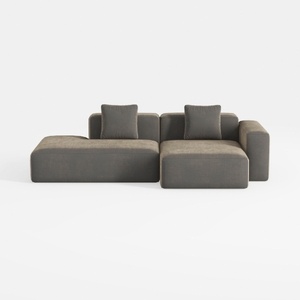
Minimalist Fabric L Shape Sectional Sofa with Throw Pillows 3D Model
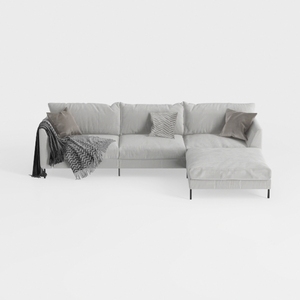
Minimalist Light Gray Fabric L Shape Sectional Sofa 3D Model
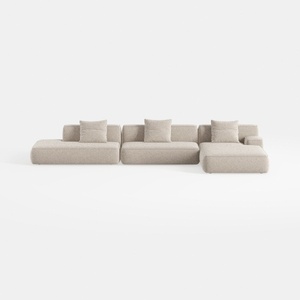
Minimalist Boucle Fabric L Shaped Sectional Sofa 3D Model
Homestyler is your go-to online home design platform, perfect for turning your vision into reality. With its easy-to-use design tool, stunning 3D renderings, diverse design projects, and helpful DIY video tutorials, you can create your ideal home effortlessly, regardless of your experience level!
Progetta ora GRATIS
































