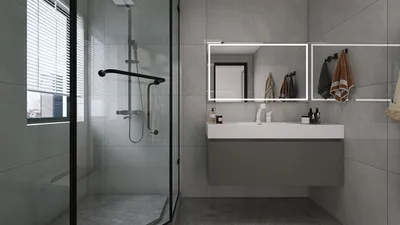


In the realm of home design, the reverse floor plan offers a refreshing take on conventional layouts. This innovative design typically places primary living spaces on the upper level to optimize views, while bedrooms and private areas are situated below. Popularized in 2016, this architectural choice exemplifies a creative method for enhancing both space and light within a residence.
Advantages of Reverse Floor Plans
A key benefit of reverse floor plans is their capacity to showcase breathtaking views from the living room. Picture yourself savoring your morning coffee against a backdrop of stunning skylines or beautiful landscapes. Furthermore, this configuration increases the influx of natural light, giving the upper levels an open and airy feel.
Design Aspects to Consider
When crafting a reverse floor plan, it's essential to contemplate the flow of movement between various spaces. How will residents transition from the living room to the kitchen? What about accessing outdoor areas? Meticulous design guarantees that these transitions are smooth and pleasurable.
Frequently Asked Questions
Q: Are there any disadvantages to a reverse floor plan? A: Some individuals might find having bedrooms on the lower floors less practical, particularly families with small children.
Q: Are there design tools available for creating a reverse floor plan? A: Definitely! Platforms like Homestyler provide excellent resources for visualizing and modifying your space with ease.
Welcome to the No.1 Floor Planner
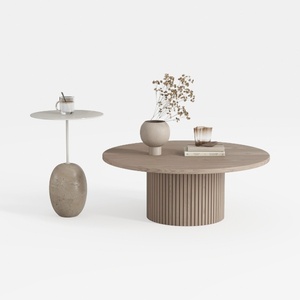


Bohemian Rattan Fabric Round Daybed with Decorative Throw Pillows 3D Model
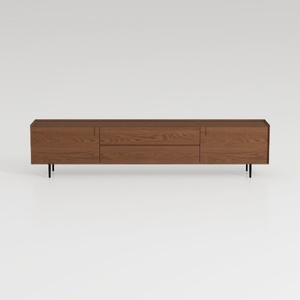
Modern Minimalist Walnut Solid Wood TV Stand with Drawers 3D Model
Homestyler is your go-to online platform for home design! With its user-friendly design tool, stunning 3D renderings, and a wealth of design projects and video tutorials, it empowers you to unleash your creativity and transform your space effortlessly. Start designing today and see your ideas come to life!
立即免费设计
































