

[Section: Introduction]
As a designer with over ten years of experience focusing on compact kitchen spaces, I’ve witnessed trends evolve with each season. However, retro kitchen concepts continue to emerge with greater appeal due to their unique charm combined with practical solutions. Currently, some of the most sought-after trends incorporate vintage hardware, striking tiles, and innovative storage solutions. Small spaces encourage imaginative thinking, and I firmly believe that small kitchens can indeed inspire grand ideas.
In this article, I will present five retro kitchen concepts that I've successfully executed in various projects, supported by useful tips, a balanced look at advantages and disadvantages, plus a few credible references. You will receive design guidance, succinct case studies, and cost considerations to help determine which direction aligns best with your home and budget. If you're eager to fuse nostalgia with practicality, consider starting with minimalist organization — I typically begin my concept sketches with a focus on minimalist storage solutions for a retro transformation.
[Section: Inspiration List]
Retro Minimalist Kitchen Storage
My Perspective
I’ve long appreciated the balance between retro flair and contemporary minimalism. In several small apartments, I opted for clean, painted cabinetry fronts while introducing vintage-style open shelving and wire baskets to evoke a sense of history without overwhelming the limited space.
Advantages
Retro kitchen storage options such as open shelving and labeled containers add both character and accessibility; they keep essential items visible, helping to minimize clutter. For compact kitchens, incorporating built-in spice racks and pull-out trays on cabinet ends is a clever way to infuse the charm of vintage kitchens while preserving modern efficiency.
Disadvantages
The primary drawback lies in maintenance: open shelves require a degree of neatness (and I must admit, I once dedicated an afternoon to reorganizing a client’s shelves after a busy cooking weekend). Dust and grease can become quite apparent, so consider using washable finishes or glass-fronted cabinets if you tend to be a bit messy.
Advice / Case Study / Costs
Case Study: In a studio apartment of 28 sqm, converting upper cabinet doors to glass and incorporating brass peg rails reduced visual heaviness while costing around $500 for materials and paint. Budget Tip: Instead of replacing everything, consider a few standout retro storage items — vintage tins or a refurbished breadbox can convey a classic vibe without enormous expense.
save pin
Glass Backsplash for Retro Luster
My Perspective
I enjoy pairing glossy glass backsplashes with retro subway or penny tiles; the reflective surface enhances light in compact kitchens and complements colored appliances or painted metallic trims, creating a vintage atmosphere.
Advantages
A glass backsplash not only creates an open feel but is also simple to clean — a fantastic benefit in small retro kitchens where every inch matters. Designers and industry organizations, including the National Kitchen & Bath Association (NKBA), recognize that non-porous backsplashes improve cleanliness and maintenance in kitchen design (refer to nkba.org for information), which is why I advocate for glass installations near cooking areas.
Disadvantages
Glass surfaces can show smudges and require precise installation to prevent visible seams; while they are not as costly as natural stone, custom-cut glass adds to overall expenses. I learned the hard way when I had to re-adjust a pane because the contractor miscalculated the tile offset — meticulous templating is crucial.
Advice / Case Study / Costs
Tip: Consider using colored or mirrored glass behind open shelving to accentuate vintage copper items. Cost: Anticipate spending $40–$120 per square foot installed, depending on thickness and backing — keep this in mind for a compact backsplash space to manage costs effectively. Alternatively, think about decorative glass tiles for a retro mosaic feature instead of full coverage.
save pin
L-Shaped Retro Small Kitchen Configuration
My Perspective
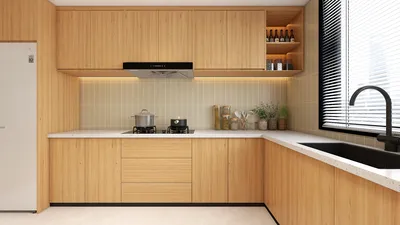
Over the years, I've preferred the L-shaped layout in smaller apartments since it optimizes flow and allows for a quaint breakfast nook or a vintage cast-iron preparation table in the corner. This design is adaptable and maintains an efficient work triangle, even in confined areas.
Advantages
An L-shaped format provides additional countertop space and typically accommodates integrated retro appliances — imagine a compact refrigerator or stove that reflects vintage aesthetics while delivering modern functionality. Designing an L-shaped kitchen can also free up a wall for a decorative tile band or a display of vintage kitchenware, enhancing the retro ambiance.
Disadvantages
The corner can become a dead zone if not addressed properly; I’ve utilized lazy Susans and corner pull-outs to prevent the common issue of reaching inaccessible pots and pans. Humorously, I once designed an L-shaped kitchen where the client turned the corner into a 'temporary storage location' — an excellent concept that became rather chaotic in practice.
Advice / Case Study / Costs
Tip: Ensure to leave at least 42–48 inches for the main culinary work triangle in compact spaces when planning your layout. Case Study: I renovated a 9-foot L-shaped kitchen with a combination of shaker-style painted cabinets and rounded brass handles to maintain a retro aesthetic while enhancing modern storage capabilities. For optimal layout planning, visual mockups can be beneficial — I often recommend utilizing a design tool like Homestyler to test appliance placement before settling on custom cabinetry.
save pin
Wood Elements Infuse Warmth into Retro Kitchens
My Perspective
Wood tones are my preferred choice for softening vibrant retro colors. I enjoy blending painted cabinets with butcher-block or reclaimed wood shelving to foster a welcoming ambiance that also feels deliberate.
Advantages
Incorporating wooden elements adds an organic warmth to retro color schemes — envision teal cabinets paired with oak shelving — making small kitchens feel inviting instead of confining. For those considering environmentally-friendly options, reclaimed wood or FSC-certified materials can deliver a vintage appearance with minimal ecological impact.
Disadvantages
Wood requires attention: untreated wood may stain or warp when near sinks, making sealed or engineered alternatives preferable in moist areas. After using untreated pine shelving, I found myself recommending a waterproof finish following a cooking weekend full of steam.
Advice / Case Study / Costs
Case Study: In a compact townhouse, adding a reclaimed wood floating shelf above the sink not only provided additional storage but also cost less than $200 for supplies and finishing. Budget: Butcher-block countertops commence at around $30/ft²; reclaimed options can vary significantly — view them as accent pieces rather than primary countertops to control costs.
save pin
Vivid Retro Tile Patterns and Color Blocking
My Perspective
Decorative tiles serve as a quick renovation tool that instantly brings a retro vibe. I prefer combining a bold floor pattern with simpler wall treatments or using a strip of patterned tile behind the stove to create a focal area without overwhelming the overall room.
Advantages
Retro tile designs for kitchen floors or backsplashes allow you to add personality without costly cabinetry renovations; encaustic-style tiles and colorful geometric patterns work exceptionally well in small kitchens, as they draw attention and create an illusion of depth. They are also durable, providing a practical benefit for active homes.
Disadvantages
Busy patterns may create a sense of visual clutter in compact kitchens if not used strategically. I always suggest limiting bold tiles to specific zones (either floor or backsplash) while keeping adjacent surfaces simpler to achieve a balanced appearance.
Advice / Case Study / Costs
Tip: Experiment with a 2x2 tile mockup taped onto the floor to gauge scale before purchasing a complete batch. Case Study: I used a single row of encaustic-looking tiles behind a mid-century steel shelf to inject vintage flair into a small galley kitchen; this materials and installation project cost about $600 but offered significant visual rewards.
[Section: Summary]
Retro kitchen concepts are not about replicating the past, but rather about translating the finest elements into smart, functional designs for the present. Small kitchens compel us to be more resourceful: a carefully chosen backsplash, an efficient L-shaped layout, or a dash of reclaimed wood can transform a compact area from cramped to curated. If you were to choose just one element, consider which feature will enhance your daily life — would it be easier storage, more straightforward cleaning surfaces, or a vibrant tile that brings joy?
I’m curious: which retro kitchen concept are you most eager to implement in your residence?
[Section: FAQ]
Begin with compact and functional aspects: minimalist storage solutions, an L-shaped layout, and a standout backsplash or patterned flooring. Merging one striking feature with practical storage often yields optimal results.
Cost estimates vary greatly: simple enhancements like paint, fixtures, and a statement backsplash can fall below $1,000, while a comprehensive remodel that includes cabinetry and appliances can range from $5,000 to $20,000 depending on finishes and labor costs.
Absolutely. Many contemporary tiles replicate vintage designs while providing durability and moisture resistance — ideal for hardworking kitchens. Use decorative tiles judiciously to avoid overwhelming a small space visually.
Definitely. Modern appliances styled with retro aesthetics or compact dimensions maintain high performance while preserving a vintage appearance. I frequently recommend modern compact ranges with retro facades for small kitchens.
Keep frequently used items organized in coordinated containers, rotate decorative displays on a seasonal basis, and utilize washable surfaces or glass fronts around the stove. Regular quick clean-ups can prevent grease accumulation and sustain a polished look.
Yes — non-porous surfaces such as glass are easier to clean and more hygienic in cooking areas. The National Kitchen & Bath Association (NKBA) offers insights on material choices and upkeep at https://www.nkba.org/.
Muted pastels (like mint and pale yellow) and jewel tones (like teal and deep red) paired with neutral shades and wooden accents tend to be visually pleasing. Keep the largest surfaces neutral while using color for cabinetry or tiles to avoid visual overcrowding.
Layout tools and simple floor plan simulations are invaluable — consider sketching out an L-shaped design and trying out appliance placements to ensure smooth flow. For interactive mockups, utilize an online planner like Homestyler or consult a designer to visualize your ideas.
save pin
Homestyler is an exceptional online home design platform that empowers you to create stunning spaces effortlessly. With its user-friendly design tool, impressive 3D renderings, and a wealth of DIY video tutorials, transforming your home ideas into reality has never been easier!
Design Now for FREE
































