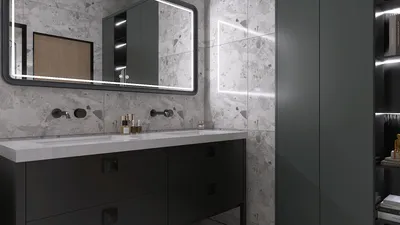


Understanding the appeal of restaurant booth seating reveals a blend of ergonomic design, space optimization, and social ease. By incorporating these hospitality-inspired principles, a home dining sofa or banquette can offer greater comfort, accommodate more guests, and seamlessly fit into compact living spaces.
Commercial seating in restaurants prioritizes aspects like seat depth, recline angle, and clear pathways. When these concepts are applied to home dining areas, even limited spaces can be transformed into welcoming and practical dining zones.
Key Takeaways
Personal Experience
Having designed numerous dining layouts for both commercial venues and residences, I've observed a common desire among homeowners to capture the warmth of restaurant booths but facing challenges in replicating that comfort with a typical dining sofa.
Restaurant booths are more than just an aesthetic choice; they are the product of extensive hospitality design research. Each dimension, cushion thickness, and spacing guideline is thoughtfully crafted to maintain comfort over prolonged meals while maximizing seating capacity.
These design strategies translate seamlessly into homes. If you're looking to effectively plan a dining sofa layout before arranging furniture, you'll quickly appreciate how booth-style seating can utilize previously overlooked wall areas and foster a cozy dining atmosphere.
This article explores the principles behind restaurant booth design and explains how applying these insights can elevate your home dining sofa arrangement.
Why Do Restaurants Prefer Booth Seating?
Critical Insight: Booth seating lets restaurants accommodate more patrons in less space while enhancing comfort and privacy.
In the realm of hospitality design, every inch impacts profitability. Booths enable dining spaces to harness corner and wall areas that would otherwise go unused, thus increasing seating without expanding the footprint.
Beyond efficiency, booths offer emotional comfort by providing semi-enclosed seating areas, which many diners find more private and relaxing.
Advantages of booth seating include:
The National Restaurant Association frequently cites spatial efficiency as a top priority in restaurant design. Booth seating strikes a balance between comfort and maximizing guest numbers.
Ergonomic Foundations of Comfortable Booths
Key Insight: Comfort in booth seating is achieved through precise ergonomic design rather than overly plush cushions.
A common misconception among homeowners is that booth seats should mimic deep, cushioned living room sofas. In truth, hospitality seating promotes an upright posture conducive to dining.
Standard booth dimensions typically include:
Seating that's too deep forces guests to lean forward awkwardly while eating, whereas shallow seats can feel uncomfortable and restrict movement.
Professionals often use advanced 3D visual planning tools—similar to the capabilities found in software like Homestyler—to prototype layouts, ensuring proper seat depth and clear circulation paths before installation.
Adapting Booth Seating Ideas for Residential Dining Sofas
Key Insight: Treating a dining sofa as a built-in banquette rather than a conventional sofa yields better comfort and usability.
Many home dining sofas fall short due to excessive depth and low seating, which hinder comfortable dining posture.
Considering banquette-style design involves:
Designers often pair a banquette on one side of the table with removable chairs on the other. This hybrid arrangement offers flexibility while maintaining the space-saving benefits characteristic of restaurant booths.
Lessons on Space Utilization from Restaurant Floor Plans
Key Insight: Circulation space is prioritized before seating placement in professional layouts.
In many homes, furniture is chosen first and forced to fit afterward. Hospitality design principles reverse this approach, focusing on clear movement paths as the foundation for seating arrangement.
Typical circulation recommendations in restaurants are:
Implementing these guidelines at home enhances movement flow dramatically, making even small dining areas feel less cramped.
Many homeowners benefit from gradual layout planning techniques—often facilitated by tools like Homestyler—that reveal how seating placement influences walking routes.
Choosing Durable Materials for Hospitality Seating
Key Insight: Housing high-traffic seating areas like those in restaurants demands durable materials designed for longevity, not just looks.
Restaurant seating must endure constant use daily, prompting the use of wear-resistant materials.
Commonly chosen materials in hospitality include:
For households with children or frequent guests, these robust materials often outperform delicate home upholstery fabrics.
Bringing Booth Seating Styles to Small Apartments
Key Insight: Booth-style banquettes transform awkward corners into practical dining areas in compact homes.
Banquettes enable small apartments to maximize seating by turning wall and corner spaces—often underutilized—into comfortable dining zones.
Effective compact layouts might include:
A notable benefit is the visual tidiness, as wall-anchored seating reduces clutter compared to multiple freestanding chairs taking up similar space.
Why Homestyler Enthusiasts Value Booth-Inspired Home Designs
Homestyler’s advanced visualization features empower users to model restaurant booth-inspired dining areas, ensuring ergonomic comfort, efficient use of limited space, and optimized movement flow before making real-world changes.
Conclusion: Restaurant booth principles enhance home dining by combining ergonomic seating, wall-space efficiency, and intuitive circulation planning. Incorporating these strategies through tools like Homestyler enables cozy, organized dining setups that accommodate more guests comfortably.
Frequently Asked Questions
Are restaurant-style booths suitable for home dining rooms?
Absolutely. When designed correctly, booth seating offers superior back support and effective space usage for residential dining areas.
What is the recommended seat depth for dining sofas?
Optimal dining sofa or banquette seat depth typically ranges from 16 to 18 inches for maximum comfort.
Is banquette seating practical in small apartments?
Yes, especially wall-mounted or corner banquette arrangements that maximize floor space in compact layouts.
Can a traditional sofa be converted for dining use?
Usually not, as standard living room sofas are too deep and low to support proper dining posture.
How much clearance is needed behind dining seating?
A minimum of 30 to 36 inches is recommended to allow easy movement behind chairs or benches.
What materials are best for durable dining sofas?
Materials such as high-density foam cushions, resilient fabrics, and stain-resistant upholstery work best in dining areas.
What differentiates a banquette from a booth?
A booth provides seating on both sides of a table, while a banquette usually offers wall-mounted seating on one side only.
Sources
National Restaurant Association: Guidelines for Restaurant Design and Layout.
American Society of Interior Designers: Studies on Hospitality Seating Ergonomics.
Image Details
Filename: restaurant-booth-inspired-home-dining-sofa.jpg
Dimensions: 1920x1080 pixels
Alt text: contemporary home dining room featuring booth-style dining sofa influenced by restaurant seating design
Caption: Restaurant booth seating concepts adapted for residential dining spaces.
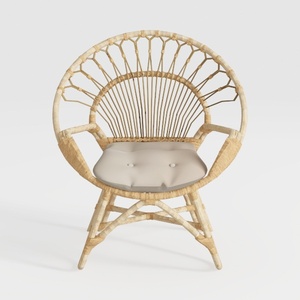

Bohemian Rattan Peacock Accent Chair with Linen Cushion 3D Model

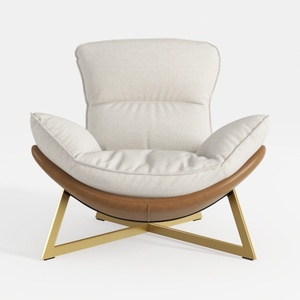
Modern Linen Leather Gold Metal Accent Armchair 3D Model
Homestyler offers an easy-to-use online home design tool with stunning 3D renderings, a vast collection of design projects, and helpful DIY video tutorials—perfect for turning your decorating ideas into reality effortlessly.
Desain sekarang Gratis
































