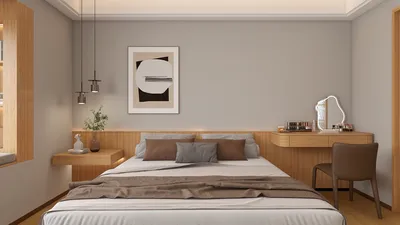


The future is anchored in resilience, particularly as contemporary homes face challenges like flooding, noise, and complicated storage solutions. To address these issues, I specialize in designing elevated structures, which serve as intentional living interfaces. Industry insights from NAHB highlight a rising demand for versatile, multifunctional spaces—clearly indicating that having a spatial reasoning toolkit is now essential for navigating the complexities of a stilt plus plus 2 floor plan. The near future is at our doorstep, and its patterns are becoming increasingly visible.
Elevated Entry + Flex Core (Level 1)
Design Logic: The first level above the stilts acts as a flexible buffer—serving as a mudroom, studio, or guest suite—adaptable to shifts in climate and lifestyle without disrupting flow.
Flow: Upon arrival, guests navigate a straightforward pathway—stair entry → compression vestibule → flexible core → pocket bath → terrace—ensuring ease of movement without intruding into private areas.
Sightlines: Offering low-angle views toward the terrace, lateral glazing frames the horizon while the staircase serves as a neutral spine. The user interface layers transition smoothly from entry to flex space to outdoor areas.
Storage: Innovative locker designs and bench drawers provide ample storage, effectively containing wet gear and seasonal items. Zones measuring 24 to 30 inches deep maximize usability.
Furniture Fit: A 60-inch convertible sofa, a 30x60 worktable, and streamlined shelving are designed to fit within the 10 to 12-foot bay limits, transitioning effortlessly between studio and guest functionalities.
Verdict: This level operates as a dynamic buffer where various elements—weather, work, and guests—synchronize harmoniously, maintaining calmness and modularity for future use.
save pinOpen in 3D Planner Processing...
Private Ring + Quiet Radius (Level 2)
Design Logic: The upper level encapsulates bedrooms and a compact lounge, creating a ring around the stairwell—ensuring privacy while maintaining an organized layout.
Flow: From the top of the stairs, the route is clear—micro landing → primary suite → shared bath → secondary bedroom → reading nook; this loop minimizes cross-traffic and potential nighttime disturbances.
Sightlines: The design incorporates layered depth: door offsets conceal beds while clerestory windows channel daylight, enhancing the restful atmosphere over the need for display.
Storage: Featuring two reach-in closets and a linen stack, this setup operates like a structured storage system: daily essentials, weekly items, and archived possessions—all organized with 14-inch shelves for consistency.
Furniture Fit: A queen bed measuring 60x80 inches, 24-inch nightstands, and a 36-inch dresser are integrated. The secondary room can accommodate either a full bed or twin beds, ensuring smooth circulation throughout the space.
Verdict: The upper ring fosters cognitive tranquility. Over the next five years, adaptable sleeping arrangements and a hybrid reading/zoom area will remain integral to this layout.
save pinOpen in 3D Planner Processing...
Under-Stilt Utility + Outdoor Spine
Design Logic: The ground-level area is not merely leftover space; rather, it serves as the core for essential functions—parking, gear storage, and storm-related needs—allowing the elevated floors to function purely by intent.
Flow: The arrival sequence is seamless: street → covered area → gear storage → stairs; this transition from outdoor to indoor spaces is frictionless, turning potential chaos into an organized experience.
Sightlines: Utilizing open lattice structures and screened panels, the design promotes privacy while allowing situational awareness; one focuses on the path ahead rather than clutter.
Storage: Bike racks, 18-inch deep bins, and overhead sling systems act as expandable storage solutions; materials designed to withstand flooding ensure belongings remain safe during unforeseen events.
Furniture Fit: This area foregoes soft furnishings in favor of durable modules designed around a 24-inch grid; the outdoor bench aligns with the stair stringer, ensuring visual coherence.
Verdict: The under-stilt area ensures longevity in maintenance and ease of mobility; looking five years ahead, homeowners will regard it as a robust utility space, maintaining a peaceful atmosphere above.
save pinOpen in 3D Planner Processing...
Final Takeaway
A stilt plus plus 2 floor plan exemplifies a resilient approach: elevating living spaces, buffering changes below, and creating a tranquil private zone above. Its various interpretations—such as two-story stilted houses and elevated dual-level designs—illustrate that the homes of tomorrow will prioritize flow and intention over sheer size. Critical needs like flood-responsive architecture and hybrid work environments fit seamlessly within this design framework. From my perspective, the homes of the future will not expand in size but will instead become more purposeful, especially when leveraging tools like Homestyler for design.
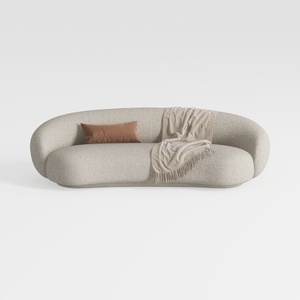

Minimalist Boucle Fabric Curved Sofa With Throw Pillow And Blanket 3D Model
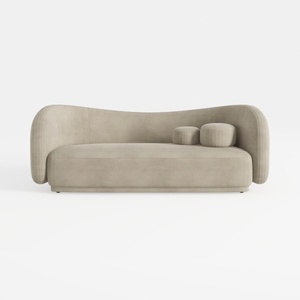
Minimalist Velvet Curved Living Room Sofa 3D Model

Modern Pink Velvet Curved 3 Seater Sofa with Decorative Throw Pillows 3D Model
Homestyler is your go-to online home design platform, perfect for beginners and experts alike. With its user-friendly design tool, stunning 3D renderings, and a wealth of DIY video tutorials, you can effortlessly create and visualize your dream space. Start designing today!
立即免费设计
































