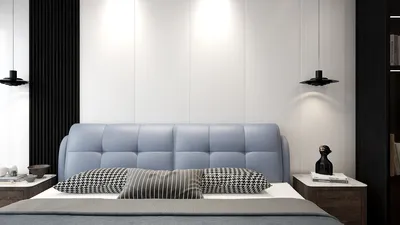


The future of living demands a well-structured mobility system, yet current buildings still often limit flow to a single stairway, leading to egress anxiety and routine hassles. Recent data reinforces this, indicating that AIA surveys reveal that occupants prioritize daylight and effective circulation as key factors for well-being. Moreover, listings on Zillow that feature multiple levels perform best when vertical circulation is intuitive. Here, envisioning a building design with three staircases serves as a vital interface for safety, adaptability, and community engagement. The future is drawing closer, and I can already glimpse its blueprint through tools like Homestyler.
Tri-Core Spine with Distributed Programs
Design Logic: Three staircases form a central spine, providing primary access, a quiet residential ascent, and an adjacent service lift, which ensures consistent redundancy and effective zoning.
Flow: The layout functions like a well-orchestrated sequence—public stair leads to the lobby/amenities, a quieter stair leads up to living spaces, while a service stair accesses back-of-house areas, effectively minimizing cross-traffic.
Sightlines: From the lobby, sightlines direct to stair portals; glazing designs frame vertical shafts like user interface tabs, enhancing clarity at each decision point.
Storage: Landing niches act as storage solutions, housing stroller bays, delivery lockers, and cleaning closets—small enhancements that keep hallways clear and functional.
Furniture Fit: Unit entrances align with stair landings, ensuring door swings clear 36–42 inches; modular benches and parcel shelves fit within practical tolerances for ease of use.
Verdict: This core design is built for the future, facilitating purposeful movement and responsive systems; five years from now, it will still accommodate evolving demands of mixed-use living.
save pin
Perimeter Stairs for Light and Community
Design Logic: Three staircases extend to the periphery—on the east, south, and northwest sides—drawing in natural light and providing accessible exits; this light not only serves as wayfinding but also boosts morale.
Flow: The morning staircase aligns with the commuter path, while the evening staircase leads toward the rooftop; the service staircase is strategically placed near loading areas, as flow simulates daily schedules.
Sightlines: Clear doors reveal riser ribbons; sight corridors stack like layered menus—allowing street, courtyard, and sky views to visually articulate hierarchy.
Storage: Bike racks and delivery storage facilities located near the stairheads ensure that ground-level circulation remains unobstructed; janitorial spaces are situated every other flight for convenience.
Furniture Fit: Stair lobbies accommodate slim seating (18–20 inches deep) and drop ledges at 30–34 inches high; ample landing space keeps pathways clear for movement.
Verdict: The periphery fosters a sense of community; residents interact in well-lit areas rather than bottlenecks, and five years ahead, community sentiment tends towards tranquility and safety.
save pin
Hybrid Loop with Amenity Nodes
Design Logic: The three stair configuration establishes a loop connecting various amenity nodes—such as workspaces, play areas, and fitness facilities—encouraging vertical travel to become part of daily routines; here, resilience intertwines with ritual.
Flow: The sequence flows from lobby to cowork space, then to units, up to the rooftop gym, and down via the service stair; similar to an optimized algorithm, paths are structured to prevent overlap.
Sightlines: Open core designs highlight amenity beacons; minimal signage is necessary since clear views guide residents through spaces—door frames align with pathways of light and activity.
Storage: Adjacent lockers, stroller bays, and equipment storages act as local repositories, minimizing clutter and corridor blockages.
Furniture Fit: Seating at nodes scales between 600–900 mm; clearances and landing depths follow stringent guidelines for uninterrupted movement.
Verdict: This looping structure transforms vertical movement into a daily rhythm; in five years, lifestyle patterns become established as healthier habits without necessitating larger spaces.
save pin
Final Takeaway
A three-stair building layout transforms mobility into a resilient, human-centered framework, where egress redundancy and daily flow are intricately woven together. Variations like tri-core and perimeter stair designs illustrate how vertical spaces enhance lifestyles rather than merely fulfilling code requirements. From my observations, the most forward-thinking multi-level residences won't necessarily be larger—they will be more thoughtfully designed, with the elements showcased in Homestyler proving how subtle spatial decisions profoundly affect quality of life.
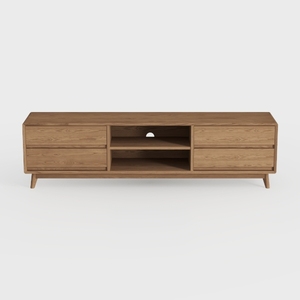
OKD TV Stand for 75+ Inch TV, Mid Century Modern
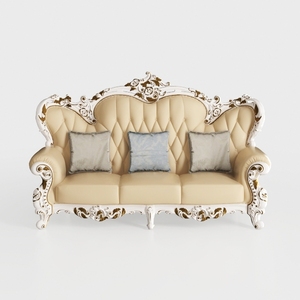
Baroque Luxury Leather Tufted Three Seat Sofa 3D Model

Natural Rattan Woven Square Ottoman 3D Model
Homestyler is an outstanding online home design platform perfect for anyone looking to redesign their space. With its user-friendly design tool, stunning 3D renderings, and a wealth of DIY video tutorials, you’ll find inspiration and guidance to transform your home effortlessly!
지금 무료로 디자인하세요
































