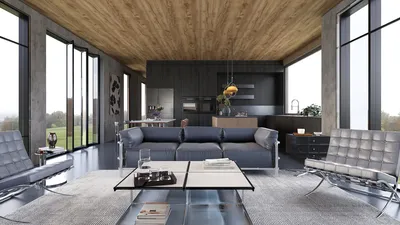


As urban environments evolve, clients find themselves navigating the challenges of rising costs and static designs. This is where the concept of space functioning like software becomes essential. Industry trends, illustrated by reports from Zillow, indicate an increasing need for adaptable multi-unit housing as families continue to diversify and income levels fluctuate. Within a 27×50 footprint, the vision of three apartments transforms into a living operating system—modular, precise, and accommodating—offering a preview of future lifestyle habits. The spatial reasoning toolkit informs every decision, highlighting that effective floor planning is akin to interface design, enhanced by tools like Homestyler.
Lower Flat: Courtyard Spine with Split Public-Private Areas
Design Concept: The ground-level unit serves as a community anchor, featuring a linear courtyard spine that mitigates noise and fosters a temperature-controlled environment suitable for multi-generational living.
Flow: Entryway → shared vestibule → living area → courtyard slot → kitchen → primary rear room → secondary side room; this streamlined sequence limits cross-traffic and enhances efficiency.
Sightlines: A diagonal view stretches from entry to greenery; a secondary sightline integrates kitchen tasks; privacy pathways taper towards bedrooms, resembling UI breadcrumb trails.
Storage: Ample under-stair storage, 24-inch pantry columns, and a bench near the vestibule; storage solutions are designed to match family needs across seasons, accommodating overflow effectively.
Furniture Fit: An 84-inch sofa, 42-inch round dining table, a queen in the primary room, and twin-flex beds in the secondary; API-like tolerances maintain a circulation space of 36 inches.
Conclusion: This configuration manages daily noise like a buffer, ensuring the layout is ready for aging parents or rental flexibility while maintaining intimate living spaces.
Middle Flat: Long Bar Flex with Integrated Work Area
Design Concept: The long-bar layout utilizes the 27×50 footprint as a conductor rail that emphasizes hybrid working styles and quick reconfigurations, a concept highlighted by recent NAHB surveys.
Flow: Shared staircase → pivot foyer → living space → work niche → kitchen bar → split bath core → two bedrooms; operational flow runs left to right for minimal latency.
Sightlines: The design features layered depth, linking living spaces to work niches illuminated by daylight; the bathroom core only interrupts where privacy is needed, preserving the UI hierarchy.
Storage: Featuring wall-mounted credenzas, 30-inch wardrobes for each room, and overhead bins in the kitchen; organized storage reduces decision fatigue and streamlines routines.
Furniture Fit: A 72-inch sectional, a 60-inch wall desk, and 30-inch counter stools; tight clearances promote fluid movement akin to version control in software development.
Conclusion: The middle flat serves as a canvas for productivity, robust enough for renters but also flexible enough to adapt to changing household needs over time.
Upper Flat: Lightwell Loop with Micro-Terrace
Design Concept: The top unit capitalizes on natural light; a loop around a lightwell enhances circulation, maximizing compact space for well-being, addressing contemporary wellness trends.
Flow: Stairs rise to a pocket foyer → loop corridor around the lightwell → living space → balcony micro-terrace → galley kitchen → two bedrooms; this circular routing minimizes cognitive load.
Sightlines: Vertical views toward the sky and lateral views toward the terrace create a hierarchy that directs attention to peaceful areas, similar to a well-designed dashboard.
Storage: Roof-slope cabinets, hall linen towers, and under-bed drawers; strategically placed storage aligns with a minimalist lifestyle and simplifies maintenance.
Furniture Fit: An 80-inch compact sofa, a 48-inch foldable table, and full-size beds with 30-inch side aisles; constraints act like APIs, ensuring no clutter disrupts the space.
Conclusion: The upper flat evolves into a wellness hub with abundant light, air, and peaceful routines—ideal for tenants seeking sustainable living spaces and easy energy upgrades.
Final Thoughts
The three flats within a 27×50 layout focus less on sheer density and more on multi-layered interfaces—each unit a functional module in a robust urban framework. Variations such as two-bedroom configurations, studio work niches, and stacked entries will define the future of adaptable housing. In my professional experience, the most innovative homes don't necessarily expand in size; instead, they focus on intentionality. I've observed how minor spatial adjustments can fundamentally alter the way individuals live their lives, often facilitated by platforms like Homestyler.
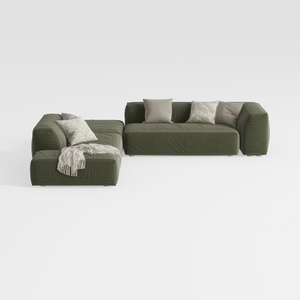
Minimalist Modern Fabric L Shaped Sectional Sofa with Throw Pillows 3D Model


Giantex Twin Over Twin Bunk Bed, Solid Wood Bunk B
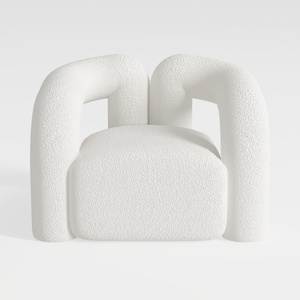
Minimalist Boucle Fabric Armchair Modern Unique Design 3D Model
Homestyler is an exceptional online home design platform that caters to all levels of expertise. With its user-friendly design tool, stunning 3D rendering capabilities, and a wealth of design projects and video tutorials, transforming your home design visions into reality has never been easier. Dive in and get inspired!
立即免费设计
































