

The evolving lifestyle demands a multi-modal culture, while venues today struggle with fragmentation issues such as parking, long queues, sound management, and expensive downtimes between performances. Notably, AIA has highlighted a surge in flexible program stacking within entertainment designs, and I view a three-screen movie theatre layout as an early template for this transition. The future is already making its presence known; I envision screens evolving into urban servers. Within this context, the spatial reasoning toolkit quietly underpins my designs, transforming bandwidth into functional spaces.
Screen A: Central Hub with Tiered Access
Design Logic: A primary auditorium serves as the core of the layout, complemented by service corridors, anticipating the need for hybrid events and adaptable seating as audience behaviors change.
Flow: Entry → ticketing area → sound-insulated lobby → auditorium → side exits; the staff movement runs parallel but discreetly behind the walls for efficiency.
Sightlines: From the lobby, sightlines direct attention to the center of the screen; aisles function as low-latency paths, reducing visual distractions and enhancing the stage's user interface.
Storage: Concessions located behind-the-scenes as a storage cache close to the entrance; integrated bins in the floor for event supplies ensure stable capacity and quick retrieval.
Furniture Fit: Seat spacing ranging from 38 to 42 inches, with row radii aligned to the projection angle; ADA platforms are designed as inclusive functionalities akin to APIs.
Verdict: This central structure establishes the pace, providing a reliable framework that can handle major releases today and diverse premieres five years ahead.
save pin
Screen B: Lateral Center for Concurrent Showings
Design Logic: A medium-sized auditorium mitigates peak demand, allowing staggered showtimes and live stream collaborations as content becomes increasingly modular.
Flow: Lobby extension → mini-concessions → auditorium entrance → dual-tier exit; staff routes are designed to loop around the projection area like a maintenance pathway.
Sightlines: Side entries align with a clear focal axis; tier breaks function as UI separators, directing attention without glare or distraction.
Storage: Side lockers and compartments beneath the risers act as quick storage points for merchandise and technical equipment, maintaining lobby efficiency.
Furniture Fit: Seats spaced 32 to 36 inches apart, with streamlined armrests and adjustable row quantities; risers calibrated in 6 to 7 inch increments for optimal comfort and visibility.
Verdict: A versatile space that refines scheduling with precision, primed for esports evenings and unique festivals, subtly readying for future demands.
save pin
Screen C: Cozy Studio for Experimental Formats
Design Logic: A compact auditorium functions as a creative space for VR presentations, director Q&As, and community screenings, illustrating the trend towards micro-venues as noted by NAHB in mixed-use opportunities.
Flow: Side lobby → acoustic entryway → studio screen → short exits; the staff path is a compact loop with direct access to projectors, creating a microservice route.
Sightlines: Short throw, steep slope; the visual field offers a clear view from the entrance to the screen, prioritizing direct engagement when necessary.
Storage: Foldable platforms and wall-mounted shelving provide flexible storage, scaling up or down to avoid obstructing movement.
Furniture Fit: Seats capable of lounge function with a pitch of 28 to 32 inches; a removable front row offers adaptive configurations for performance or community events.
Verdict: A flexible space that trials new content formats; in five years, its adaptability will turn it into the R&D hub of the theatre.
save pin
Final Thoughts
The design of a three-screen movie theatre is an evolving interface that effectively manages flows, sightlines, and storage, enabling culture to thrive with minimal delay. As the lines between streaming and live events blur, multi-auditorium formats develop into programmable architectures—combining long-tail programming with precise seating functionalities. Based on my insights, the most innovative entertainment spaces are not necessarily larger; they are simply more purposeful. I strongly believe that compact, intelligently designed theatres equipped with tools like Homestyler will lead the next wave of cultural engagement in the upcoming years.
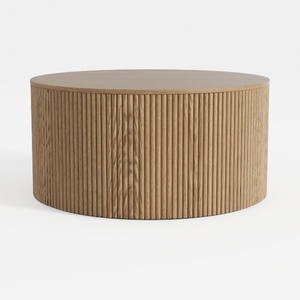
Minimalist Fluted Solid Oak Round Coffee Table 3D Model
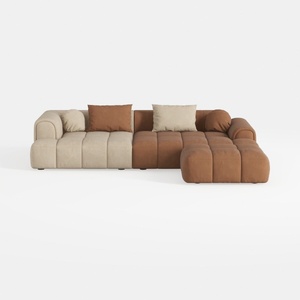
Modern Velvet Sectional Sofa, U Shape Minimalist M
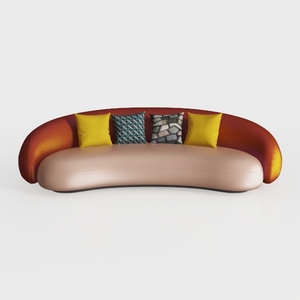
Modern Two Tone Fabric Curved Sofa With Decorative Throw Pillows 3D Model
Homestyler is an outstanding online home design platform that empowers you to create stunning interiors with ease. Utilize its user-friendly design tool, explore countless 3D renderings, and gain inspiration from DIY tutorials and design projects. Transform your space effortlessly today!
立即免费设计
































