


The future is knocking at our doors as our contemporary residences navigate the complexities of multi-generational living, temperature management, and storage challenges. According to statistics from AIA, there is an increasing desire for flexible home designs. I conceptualize the Kerala residence as a functional system where verandas, courtyards, and interconnected living spaces redefine the notion of waiting. In this setting, the ground and first floor layouts of a Kerala home serve as a responsive language to climate, relationships, and digital work—a reflection of future lifestyles shaped by seasonal dynamics. This is where a spatial reasoning toolkit becomes essential.
Courtyard-Centric Ground Level
Design Principle: A central open-area space allows for effective microclimate management and social interaction, ensuring ventilation and daily rituals remain seamlessly connected.
Flow: Entryway → verandah buffer → central living area → courtyard hub → dining area → kitchen → utility; guest suite is positioned as a secondary line of engagement.
Sightlines: The pathway from the entrance to the green heart and rear garden reveals a structured layout; privacy is layered akin to unfolding panels.
Storage: Wall-deep recesses, under-stair storage, and a wet-core pantry create heat-protected zones separating perishables from everyday items.
Furniture Arrangement: Slim teak seating, a 900mm table spacing, and a modular pooja console; optimal layouts promote breathable interactions.
Conclusion: This ground level is designed for the future: prioritizing climate resilience, conducive to traditions, and adaptable for advanced technology without hindering human movement.
Divided Family Upper Level
Design Principle: Bedrooms encircle a shared lounge area, striking a balance between independence and monitored closeness; future hybrid working spaces are discreetly integrated.
Flow: Stair landing → family lounge → master suite → children’s room → study → terrace; this sleep-to-work pathway minimizes interference during nighttime hours.
Sightlines: Corridor designs paired with terrace perspectives; layered views maintain intimacy while allowing natural light to filter in.
Storage: Wardrobe areas serve as organizational hubs, overhead linen storage above doors, and concealed compartments for reducing digital clutter.
Furniture Arrangement: 1800mm bed configurations, work desks equipped with cable management, and ventilated closets that respect airflow from ceiling fans.
Conclusion: A tranquil space that accommodates study, rest, and small family rituals; within the next five years, this lounge will evolve into the family's core operation system.
save pin
Monsoon-Optimized Interface Plan
Design Principle: Verandas function as rain shields, while the service corridor acts as a protective barrier against weather elements; water management is prioritized rather than an afterthought.
Flow: Carport → mudroom → washing area → kitchen → dining; terrace drains into a rain garden, maintaining a short upkeep cycle.
Sightlines: Low-emissivity windows frame views of greenery and the sky, reducing glare; transitions indicate wet and dry states similarly to status indicators.
Storage: Shoe and umbrella storage at entry points, seasonal trunk compartments, and ventilated attics for quilts and festive items.
Furniture Arrangement: A blend of cane and teak materials, washable fabrics, and stackable seating; configurations aligned with monsoon cycles and drying setups.
Conclusion: Weather transforms into an ally: the home system accommodates rain, dissipates heat, and maintains stability throughout the year.
save pin
Final Insights
The Kerala home, with its ground and first floor layout, is a climate-responsive framework for multi-generational living, transcending basic construction. Featuring traditional verandas, open courtyards, and adaptable lounge areas, the design functions like software, supporting everything from customary practices to remote work. In my observations, the homes of tomorrow will not necessarily be larger but rather purposefully designed. What frequently stands out in my projects is how intentional zoning decisions can outlive current design trends, making tools like Homestyler invaluable when visualizing these concepts.

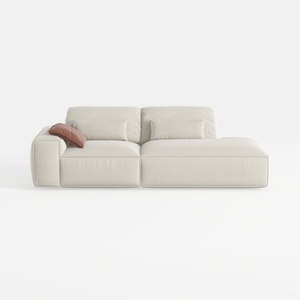
Minimalist Beige Fabric L-shaped Chaise Sofa 3D Model
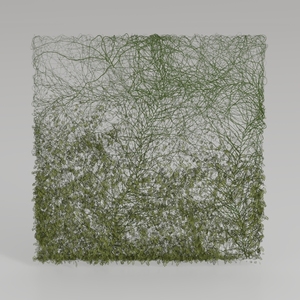
Natural Green Vine Wall Panel Decorative 3D Model
Looking to transform your space? Discover Homestyler, the ultimate online home design platform! With its user-friendly design tool, stunning 3D renderings, and a wealth of DIY video tutorials, creating your dream home has never been easier. Unleash your creativity today!
立即免费设计
































