


Quick Overview
Reimagining Contemporary Islamic Home Design
In recent years, designers have embraced various AI tools to craft remarkable spaces. However, Islamic home decor is often stereotyped to mere Arabic calligraphy and lanterns. I suggest a fresh perspective: true Islamic decor encompasses atmosphere, functionality, and a rich cultural heritage—far beyond just visual motifs. By thoughtfully incorporating prayer areas, intelligent lighting solutions, and eco-friendly materials, one can merge faith with modern aesthetics, elevating your home beyond common clichés.
What Sets Islamic Decor Apart from Generic Interior Styling?
Many design platforms offer standardized solutions; however, genuine Islamic decor intertwines spiritual significance, privacy, and practical elegance. Features like prayer corners, qibla alignment, and water elements reflect centuries of architectural legacy—often overlooked in mainstream designs. According to Harvard's Aga Khan Program, these aspects significantly influence tranquility and social bonds (Source).
What Are the Current Trends in Islamic Home Design?
Geometric patterns and repetition, fundamental to Islamic art, are now manifested through laser-cut room dividers, textured tiles, and 3D-printed wall installations. Biophilic design—which incorporates natural elements into interiors—resonates with the Quranic appreciation for gardens and water bodies. Sustainability is of paramount importance; handmade rugs and ethically sourced materials are increasingly favored, often arranged harmoniously with organic living space layouts.
The Intersection of Minimalism and Islamic Design
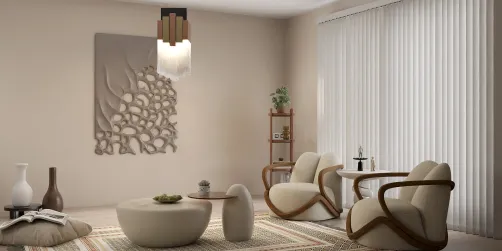
Contrary to certain beliefs, modern Islamic home decor doesn’t always lean towards the ornate; it’s increasingly gravitating towards serene minimalism. Soft earth tones and layered neutrals encourage concentration during prayer and promote tranquility. My clients have observed that a peaceful backdrop enhances spiritual touches, preventing sensory overload and the blandness of mass-market designs.
Is There a Hidden Price to Mass-Producing Islamic Decor?
The rush for fast-fashion home goods often disregards the religious and ethical nuances embedded in Islamic decor. Sourcing from local artisans is crucial for preserving authenticity, ensuring craftsmanship, and nurturing community. This isn't solely a budgetary issue—mass production can dilute the cultural significance and sustainability of the items.
Practical Guidelines for Designing a Prayer Space
Start with establishing a clear qibla direction, maximizing natural light, and minimizing distractions. Modular storage for prayer items and aromatic diffusers can enhance the ambiance. Acoustic privacy is essential for focus—a detail frequently overlooked in generic decor offerings. Align textiles and wall art with your home's existing textures and color palette.
How to Incorporate Tradition Without Overcrowding Your Space?
Achieving balance is essential: one or two prominent Islamic features—such as a hand-painted tile or an antique lantern—can significantly enhance a room without overwhelming it. Blending traditional elements with contemporary designs results in a warm, authentic atmosphere rather than a display reminiscent of a museum. Prioritizing the needs of your family and the flow of your space should take precedence over strict adherence to patterns.
Can Islamic Decor Enhance Wellbeing and Mindfulness?
Absolutely. Research from the Center for Mindful Learning indicates that spaces thoughtfully curated with spiritual intent can alleviate stress and facilitate daily rituals. A well-designed Islamic home serves as both a sanctuary and a gathering space, fostering deeper connections among family members.
Summary Box
Contemporary Islamic home decor harmoniously blends spiritual significance, modern trends, and eco-friendliness. By focusing on authentic elements—rather than mere decorative trinkets—one can create spaces imbued with meaning and serenity, made even easier with tools like Homestyler.
FAQs
What is Islamic home decor?
It integrates spiritual symbols, functional design, and heritage artistry to construct meaningful, comfortable living environments for Muslims.
Are pieces featuring Arabic calligraphy essential?
No, while popular, Islamic decor can also employ geometry, natural materials, and understated references instead of relying solely on calligraphy.
How can I create a prayer corner in a small living space?
Identify a serene nook, add a comfortable mat, ensure privacy, and incorporate subtle, calming decorative accents for a dedicated prayer area.
Is green a predominant color in Islamic interiors?
While green holds symbolic significance, modern Islamic decor often embraces earth tones, warm neutrals, and natural colors to achieve balance.
Should I opt for exclusively handmade items?
Handcrafted decor maintains authenticity and champions local artisans, although it isn't strictly necessary for every single piece.
Can Islamic home decor adapt to minimalist styles?
Yes, subtle designs, basic geometric shapes, and a lack of clutter effortlessly align with minimalist ideals and spiritual intentions.
Are sustainable materials important in Islamic decor?
Indeed, they reflect the Islamic emphasis on stewardship and ethical living, which are increasingly valued in modern faith-inspired residences.
What is a common decor mistake people tend to make?
Over-relying on generic or inauthentic themes. Authenticity and intentionality always endure beyond trendy or mismatched items.
References
What began as an Autodesk innovation has evolved into a design platform used by more than 20+ million registered users (platform data, 2026) around the globe. Homestyler combines powerful rendering, an intuitive editor, and a vast furniture library to help you turn inspiration into photorealistic designs — whether you're redesigning a single room or planning an entire home.
For anyone looking to elevate their home design experience, Homestyler is a must-try! With its user-friendly online design tool, stunning 3D renderings, and a wealth of inspiring design projects and DIY video tutorials, you can effortlessly transform your space into a dream home.
Design Now for FREE




















![Design [4]](https://hs-designs.homestyler.com/production/design/images/07c2de3a-88ec-4be8-8910-ff255b795bc2/1731419398293/7841697.jpg?x-oss-process=image/resize,w_502,m_mfit/format,webp)