

Key Insights
Reimagining Interior Design with Home Decor AI Apps
Home decor AI applications do much more than simply enhance the appearance of rooms; they fundamentally change how design interacts with everyday life. While many discussions tend to center around the convenience and speed of these tools, my viewpoint emphasizes a deeper analysis: AI enables users to craft spaces that truly represent their lifestyles and personalities, rather than just providing visual appeal. I've observed users feeling disillusioned by one-size-fits-all templates; innovative solutions like the Homestyler platform offer dynamic, scenario-based suggestions that adapt to shifting lifestyle demands. This distinction shifts the design approach from a rigid model to a genuinely engaging experience.
What Sets AI Home Decor Apps Apart from Traditional Design Tools?
In contrast to old-fashioned mood boards or catalog-based resources, contemporary AI home decor applications assess your individual tastes, spatial dimensions, and lighting conditions. The outcome? Recommendations that are significantly more tailored, resulting in greater satisfaction and decreased likelihood of buyer’s remorse. Unlike many leading articles online, I focus on how algorithmic biases—such as an overemphasis on trendy designs—may restrict creative possibilities. The most effective apps now incorporate user feedback mechanisms, allowing for real-time adjustments.
Can AI-Powered Home Decor Really Help Save Time and Money?
Definitely. According to data from Statista, homeowners utilizing planning tools can save as much as 20% on renovation expenses compared to those who depend on traditional advisory services. By employing virtual previews and scenario examinations, users steer clear of costly mistakes, while virtual walkthroughs help cut down on logistical expenditures. What's exciting is that these apps now also highlight often-overlooked costs, such as delivery setbacks or compatibility problems, which are typically neglected during human consultations, thus enabling smarter long-term financial planning.
How Reliable Are AI Recommendations for Real-Life Spaces?
A prevalent skepticism exists regarding the reliability of technology in making tactile decisions. However, recent studies on real-time 3D rendering and machine learning in the context of home decor indicate that AI can effectively simulate variations in lighting, dimensions of furniture, and even traffic flows within a space. My perspective is that AI has matured beyond just providing 'acceptable' approximations; it is evolving to deliver near construction-grade precision, which minimizes waste and boosts confidence in project outcomes.
Why Is Human Input Still Crucial in AI-Driven Home Decor?
Despite advancements in technology, I urge caution against complete automation. Design embodies emotions, subtleties, and cultural nuances—while AI applications excel at predictions, they can overlook the important aspects of storytelling and contextual relevance. A hybrid approach that merges AI insights with expert evaluations consistently yields more livable spaces. This sets my opinion apart from standard critiques that advocate for total automation: Human input ensures a well-rounded decision-making process, mitigates algorithmic biases, and maintains authenticity in design.
What Untapped Opportunities Do AI Decorative Apps Reveal?
One significant market need is inclusivity; AI applications are now catering to users with accessibility requirements, from optimizing furniture height to suggesting color contrasts. These personalized functionalities—often missed by leading competitors—unearth a previously overlooked audience. My forecast? The next evolution of AI applications will incorporate community feedback, adjusting designs according to shifting communal preferences.
Answer Box: The Power of Personalization in AI Home Decor
AI home decor applications stand out by providing real-time, data-driven personalization that adapts to user routines, inclusivity requirements, and budgetary limitations, far surpassing the generic design templates that currently saturate the market.
Frequently Asked Questions
How do AI home decor apps enhance design precision?
They utilize spatial analysis and style learning to emulate realistic layouts and lighting conditions.
Can I prevent costly errors by using an AI decor app?
Yes, visual previews and scenario modeling are proven to significantly mitigate renovation mistakes.
Are these apps accessible for non-designers?
Certainly—AI tools streamline choices for everyone, delivering expert-level support in an understandable manner.
Do AI apps take accessibility considerations into account?
Leading applications now tailor recommendations for mobility and visual comfort needs.
What is the learning curve for first-time users?
AI decor applications are designed with user-friendly interfaces, minimizing the time needed to learn.
Will AI-generated designs lack individuality?
Not if you share your lifestyle data—modern applications adjust for authenticity and personal preferences.
Can these apps aid in addressing small space challenges?
AI algorithms optimize layouts in compact areas, enhancing utility while preventing clutter.
How do costs compare to hiring a designer?
Using an app can reduce initial expenditures by as much as 50%, not counting physical installation costs.
References
Statista: Home Improvement Expenditures in the U.S.
HGTV: Trends in Home Design Technologies for 2024


Modern Minimalist Orange Fabric Three Seater Sofa With Throw Pillows 3D Model
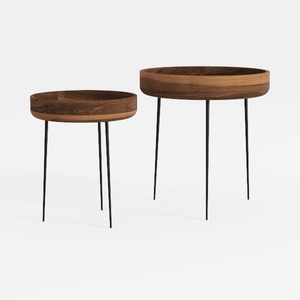
Modern Walnut Solid Wood Metal Leg Nesting Side Tables 3D Model
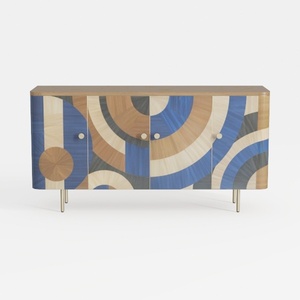
Art Deco Geometric Pattern Solid Wood Sideboard with Metal Legs 3D Model
Discover the endless possibilities of your home with Homestyler! This user-friendly online design tool empowers you to create stunning spaces with 3D renderings, inspiring design projects, and helpful video tutorials. Perfect for both novices and seasoned designers alike, let your imagination flourish today!
Zaprojektuj teraz za darmo
































