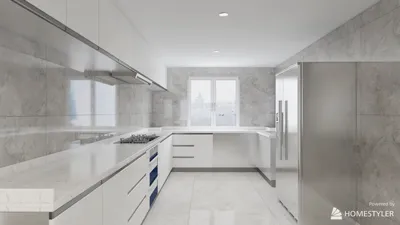


The lifestyle of the future continues to condense functionality into smaller living spaces, while today’s inhabitants grapple with challenges such as noise interference, inadequate storage, and disjointed routines. According to the AIA, there remains a strong demand for adaptable home layouts despite the reduction in space. This is precisely why I consider the Belle Vue building B 1 as my experimental ground for redesigning 1-bedroom apartment floor plans. The future is approaching, and I can already perceive its outlines through this spatial design toolkit, enhanced by tools like Homestyler.
Split-Axis Living Core
Design Approach: The design features a longitudinal spine that efficiently divides the kitchen and dining area from the lounge, ensuring that heat and sound are centralized, while tranquility is maintained on the opposing side. This arrangement allows for multitasking and parallel activities, essential in future lifestyles.
Flow: The sequence begins from the entryway, leading to a drop zone, followed by a galley kitchen, dining area, lounge viewport, and balcony. This clearly defined pathway minimizes any cognitive load associated with switching tasks.
Sightlines: Entering the space reveals a well-thought-out visual layout: short views to the dining area, medium perspectives towards the sofa, and long lines leading to natural light, thereby maintaining a sense of order and focus.
Storage: A pantry on one side, along with a concealed wall storage, serves as a buffer, storing seasonal items and daily essentials in an organized manner.
Furniture Dimensions: A sofa between 84 and 90 inches, a media wall of 30 inches in depth, and a 60-inch oval dining table create an airy environment—these dimensions prevent any spatial latency.
Conclusion: This core layout establishes living as a stable foundation; the next five years will favor designs that distinguish and minimize noise from relevant activities.
save pin
Quiet Bedroom Module
Design Approach: The bedroom is transformed into a calm sanctuary; its door is set away from the lounge, and the bed is centered against a serene wall to promote restful sleep.
Flow: Moving from the lounge through a short hallway, one pivots into the bedroom, leading to a closet and bathroom. This protected route helps in reducing stress and enhancing emotional well-being.
Sightlines: The bed remains discreetly placed from the entry while the window serves as the main light source, providing a gentle, focused view.
Storage: The design includes 10-12 linear feet of closet space with double hanging and deep shelving, alongside under-bed drawers for storing items out of sight, keeping surfaces clear and organized.
Furniture Dimensions: A queen bed measuring 60x80 inches, along with 24-inch nightstands and a 36-inch dresser, ensure that the space remains accessible and flow-friendly, avoiding any clutter.
Conclusion: This well-structured module positions recovery as a core principle; it’s future-ready, as rest becomes increasingly recognized as a key performance metric.
save pin
Adaptive Kitchen-Dining Loop
Design Approach: A galley kitchen with a peninsula creates a flexible loop that transitions effectively from cooking space to a working area—homes of the future require versatility and adaptability.
Flow: The process flows logically from the fridge to the prep area, then to the sink and cooktop, with a clockwise arrangement minimizing unnecessary steps.
Sightlines: Visual tracking from the task area to the dining surface and beyond to the exterior fosters a calm atmosphere during both meal prep and work.
Storage: This design incorporates a full-height pantry coupled with 24-inch deep overhead cabinets; drawer stacks provide quick access to utensils and snacks.
Furniture Dimensions: A table measuring 30x60 inches, with stackable chairs and 15-inch stools tucked beneath a 12-inch overhang, maintains optimal space efficiency while allowing smooth circulation.
Conclusion: This loop design functions as an adaptable interface, ready for both dining and working, encapsulated in a compact yet efficient format.
save pin
Final Thoughts
Within the Belle Vue building B 1, the 1-bedroom apartment floor plans effectively resemble an interface akin to software, where elements such as flow, storage caches, and design constraints harmonize to cultivate a tranquil living experience. Its variations—compact one-bedroom arrangements, single-bedroom units, and small footprint homes—are not merely reductions but well-optimized systems. Long-term requirements such as “open kitchen with balcony views” and a “serene sleeping environment” are seamlessly integrated into one cohesive living scenario. From my viewpoint, the most intelligent homes of the future will not necessarily be larger, but rather more purposefully designed, showcasing tools like Homestyler for innovative layout planning.
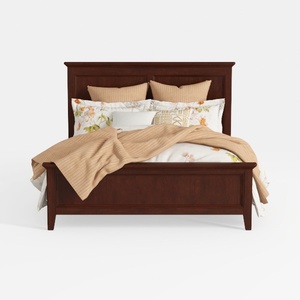

Traditional Walnut Solid Wood Upholstered Bed with Bedding Set 3D Model
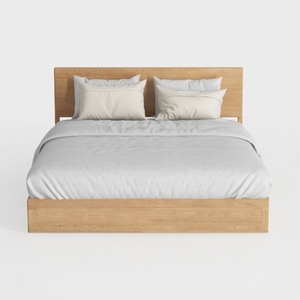
Minimalist Solid Oak Wood Platform Bed 3D Model
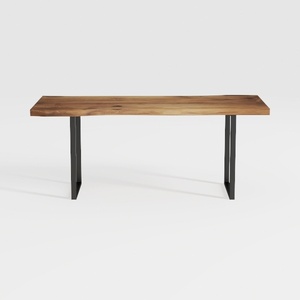
Modern Live Edge Solid Wood Metal Console Table 3D Model
Homestyler is the ultimate online home design platform for anyone looking to transform their space. With its user-friendly design tool, stunning 3D renderings, and a wealth of inspiring projects and DIY video tutorials, you'll find everything you need to bring your creative vision to life effortlessly!
立即免费设计
































