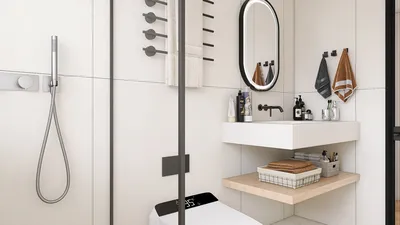


The future continuously knocks at our doors, while the current challenge—blending hybrid living with hospitality—requires smarter spatial solutions. Recent findings from the NAHB indicate that buyers increasingly value flexible spaces and connections to the outdoors. This insight inspires my design of a 4-bedroom villa in Bali, where living trends are redefined. I envision the villa not merely in terms of square footage, but as an interactive system where retreat, work, and hosting harmoniously coexist, facilitated by tools like Homestyler.
spatial reasoning toolkit
Courtyard Spine + Split Pavilions
Design Logic: Two sleeping pavilions on either side of a central courtyard provide privacy while seamlessly connecting the home with climate-sensitive spaces—future travel and work dynamics necessitate tranquil areas and shared air.
Flow: Entry → gallery spine → courtyard → living/kitchen → bedrooms; the movement design reads like a straightforward instruction, reducing heat spots and social congestion.
Sightlines: From the entrance to the water feature and up to the treetop canopy, the UI layers reveal themselves in gradients; the design of private entries tilts, while public views expand, always buffering exposure.
Storage: Full-wall built-in shelving near entries, linen towers placed between suites, and hidden bays for pool equipment; capacity is maximized without clutter, maintaining visual clarity.
Furniture Fit: Low teak platforms, circulation areas measuring 900–1000 mm, and modular seating; the design optimizes for breathable edges and maintenance-friendly zones.
Verdict: This design serves as a peaceful core for family and guests—five years from now, it will adapt to changing routines without compromising intimacy or environmental sustainability.
save pin
Ocean-Facing Great Room + Deep Veranda
Design Logic: A spacious social area paired with a covered veranda transforms the horizon into a functional space; future hospitality will demand flexible hosting without excessive indoor development.
Flow: Preparation area → dining island → lounge → veranda steps; the sequence of activities transitions from warmth to fresh breezes, balancing energy efficiency and mood.
Sightlines: Low sight barriers, clerestory openings, and framing towards the surf; information hierarchy emphasizes long-distance views while providing comfort cues nearby.
Storage: Benches with integrated storage, outdoor equipment lockers, and a concealed bar; guests enjoy generosity while maintaining order within the environment.
Furniture Fit: Sofas with drop arms, dining tables between 2.4–2.7 m, and stackable lounge chairs; the materials respect cross-ventilation and activities during dusk.
Verdict: The veranda functions like extended RAM; social activities overflow gracefully, promoting climate-friendly conviviality during peak seasons.
save pin
Four En Suite Bedrooms + Flex Studio
Design Logic: Each bedroom features its own micro-climate and routine; a sliding partition studio can adapt for remote work, childcare, or wellness—future-proofing becomes essential.
Flow: Room entrance → wardrobe area → sleeping zone → bathroom → pocket garden; this organized layout minimizes decision fatigue for varying occupants.
Sightlines: Diagonal views towards greenery, controlled visibility at bed height, and glimpses of sky in bathrooms; privacy is designed as a user interface without isolation.
Storage: Custom wardrobes, under-bed storage solutions, towel niches; these storage options are placed strategically to keep routines on track.
Furniture Fit: King-size beds with 800 mm clearances on sides, light desks with cable management, and slim lounge chairs; dimensions cater to tropical airflow and multi-user dynamics.
Verdict: The rooms adapt easily to changing user needs; in five years, the studio will have facilitated work, care, and recovery without structural stress.
save pin
Final Takeaway
A 4-bedroom villa in Bali can thrive when each area functions as a distinct interface balancing climate, rituals, and hospitality needs. Concepts like courtyard design, open-air living, and adaptable suites ensure the home evolves to meet guest patterns and remote work requirements. In my experience, the most effective tropical homes are not about size; they are about intentionality in orchestrating flow, sightlines, and storage, all of which can be effectively modeled using Homestyler for optimal design insights.

Minimalist Rattan Solid Wood Round Dining Table Set 3D Model
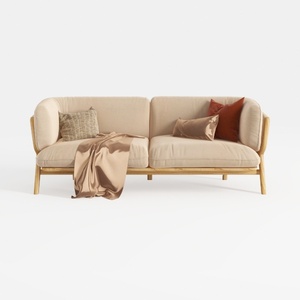

Minimalist Solid Wood Linen Fabric Loveseat Sofa 3D Model
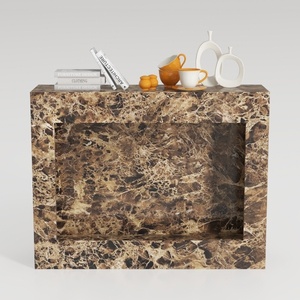
Marble Contemporary Console Table 3D Model
Homestyler is your go-to online design platform! With its user-friendly design tool, impressive 3D rendering, and diverse DIY video tutorials, you can effortlessly create, visualize, and transform your home space. Start your design journey today and unlock your creativity with ease!
立即免费设计
































