

Emerging lifestyles gradually infiltrate our personal spaces, and the current state of campus accommodation highlights that ongoing challenges—such as noise disturbances, limited privacy, and inefficient movement—are essentially outdated systems ripe for rethinking. Trend analyses from AIA and NAHB consistently indicate a shift towards smaller living areas that offer enhanced functionality. In this context, I interpret the floor plans from IIM Kerala as innovative blueprints for a seamless integration of learning, resting, and collaborating throughout the day, making the most of spatial reasoning tools.
Studio Node for Individual Residents
Design Philosophy: A well-designed compact studio harmoniously integrates sleeping, studying, and a micro-kitchen area as interconnected components, significantly reducing disruptions during intense academic periods.
Movement Flow: The pathway traverses from the entrance → drop zone → kitchenette → study area → bed platform; this layout provides a logical sequence with minimal retracing steps.
Visual Connections: There is a direct line of sight from the entrance to the window, similar to a user interface with organized layers: workspace (desk), sleeping area (bed), and scenic view (tree line).
Storage Solutions: The bed features a platform-drawer system, vertical pantry, and a wall rail for modular bins—allowing easy access without clutter.
Furniture Dimensions: A desk depth of 24–30 inches, a narrow daybed, and a slim armless chair all conform to specifications that minimize movement delays.
Conclusion: This arrangement operates akin to a focused application, allowing students to switch between tasks effortlessly, and is adaptable for larger groups in the upcoming years.
save pin
Shared Twin Suite with Divided Core
Design Philosophy: Featuring two private sleeping pods surrounding a communal study core, this setup fosters deep work while maintaining close proximity for collaboration.
Movement Flow: The pathway is structured as follows: entrance → sound-dampening space → shared table → individual sleeping pods; it resembles a branching logic with simple paths back to the starting point.
Visual Connections: Partial visibility at the table offers insight while blocking views to the sleeping pods; this organization filters social interactions prior to resting.
Storage Solutions: Symmetrical wardrobes serve as coordinated storage, complemented by a central spine for books—ensuring that clutter remains at the edges.
Furniture Dimensions: A shared table measuring 48–60 inches, two compact desk lamps, and headboard shelves function as mini-integration points for chargers and notes.
Conclusion: The split-core suite effectively separates privacy from productivity, tailored for dynamic learning needs that fluctuate throughout the academic year.
save pin
Cluster Housing with Collaborative Center
Design Philosophy: Four micro-units revolve around a shared kitchen-lounge area, transforming chance interactions into systematic opportunities for collaborative learning.
Movement Flow: The flow goes from spine corridor → communal kitchen → lounge space → private units; the cyclical design encourages regular, informal social engagements.
Visual Connections: There’s a gentle visibility to the communal spine, with controlled opacity at entrances; this hierarchy of information shifts from communal to private with clear indicators.
Storage Solutions: An organized pantry system, labeled containers, and refrigerated areas function as a community resource, enhancing efficiency and minimizing waste.
Furniture Dimensions: A large island measuring 72–84 inches, stackable stools, and modular sofas—elements that adapt to various uses like functional plugins.
Conclusion: This cluster concept effectively transforms community dynamics into a robust framework, ready to accommodate future students, events, and late-night study sessions.
save pin
Final Thoughts
Floor plans from IIM Kerala, much like any academic housing designs, offer interfaces where academics, relaxation, and community converge into a singular framework. As individual unit sizes diminish, intelligent zoning coupled with clear navigational pathways substitutes sheer space with functionality—transforming student accommodations into highly adaptable environments. Emerging trends—such as hybrid study areas and collective living spaces—will continuously shape resilient housing solutions. From my perspective, the most intelligent homes of the future will not necessarily expand but will become more purposefully designed, evident in tools like Homestyler that enable such transformative layouts.

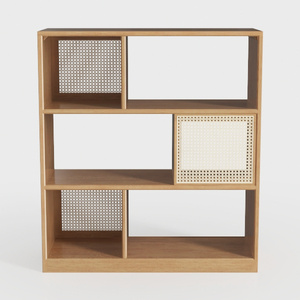
Oak Nursery Shelves, Natural Wood Nursery Floating

Minimalist Solid Oak Wall Mounted Floating Shelf 3D Model
Homestyler makes home design easy and enjoyable, even for novices! With its user-friendly online design tool, stunning 3D renderings, and a wealth of DIY video tutorials, you can transform your living space into your dream home effortlessly. Start creating today!
立即免费设计
































