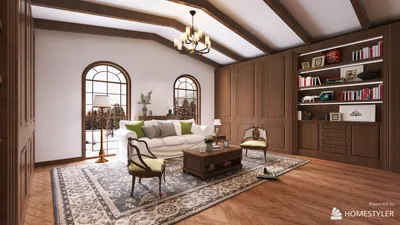


As we look ahead, today's renters grapple with challenges of privacy, clutter, and outdated layouts. I observe how households transform when work, relaxation, and social connections intersect—data from AIA and Houzz consistently indicates that flexible spaces outperform traditional static designs. In this context, a comprehensive spatial reasoning toolkit serves as the essential foundation for designing floor plans, particularly in one-bedroom apartments. Presently, noise remains a primary concern, while the future demands adaptable spaces that can respond to various needs.
Split-Core One-Bedroom: Kitchen Spine, Quiet Pod
Design Concept: The central kitchen spine effectively divides communal and private areas, reflecting the ongoing trend towards flexible workspaces and micro-hosting environments.
Flow: Starting from the entry, the layout moves through a drop zone and kitchen bar into a living node, then a pocket office leading to the bedroom and bath, creating a seamless loop that minimizes unnecessary interactions.
Sightlines: A bar-height divider conceals kitchen prep debris while providing an inviting view towards a window; bedroom sightlines maintain an off-axis orientation to ensure privacy.
Storage Solutions: Incorporating a full-height pantry for storage, platform bed drawers, and corridor cabinets provides an organized way to store seasonal items, functioning like an accessible archive.
Furniture Configuration: An 84–90 inch sofa, a 30 inch deep bar, and a queen bed allow for 24 inch clearances on both sides, ensuring a functional, space-efficient design.
Conclusion: This split-core layout optimally balances public and private spaces, preserving social dynamics in the front and focused areas in the back. As we look towards the future, it will easily adapt to hybrid work arrangements without necessitating significant modifications to the apartment.
save pin
Long Axis Gallery: A Window-to-Window Flow
Design Concept: A linear configuration connects the living, dining, and study areas through a continuous sight corridor illuminated by natural light as a guiding element.
Flow: The layout begins at the entry node moving along a gallery wall into a dining strip and living deck, finally leading to a balcony, with secondary access to the bedroom and bath to minimize congestion.
Sightlines: Upon entering, a low horizon extends towards expansive glass windows; tall storage units function as visual guides, strategically directing focus while maintaining order.
Storage Solutions: The gallery features built-in storage of 12–16 inches deep, a bench seat for additional storage, and a vertical niche for brooms and utilities—supporting efficient daily utilization.
Furniture Configuration: A sleek 72 inch sofa, a versatile drop-leaf table, and a wall-mounted desk designed at 24 inches depth enhance the corridor's usability.
Conclusion: This long axis serves as a dynamic interface, facilitating various functions through a single action. Over time, it accommodates hobbies without disrupting the overall layout.
save pin
Courtyard Heart: A Micro-Nook Embracing a Central Void
Design Concept: A central ‘courtyard’—light-filled, whether real or simulated—anchors small nooks for working, enjoying tea, or gentle stretching, offering future-ready modularity within compact spaces.
Flow: The path flows in a circular route: entry leading to the kitchen, a central lounge, a flexible nook, and then to the bedroom and bath; with no dead ends, the design promotes continuous movement.
Sightlines: Various heights create visual layers—low lounging areas, mid-level shelves, and a high plant canopy—while the bedroom's view is subtly obscured by a slatted screen, enhancing privacy.
Storage Solutions: Corner towers act as storage hubs, complemented by under-bench drawers and a wardrobe with labeled sections—creating a well-organized, indexed approach as opposed to a cluttered system.
Furniture Configuration: The setup includes a 66 inch loveseat, nesting tables, and either a queen or full mattress according to a 30 inch clearance—each component optimally designed for efficiency.
Conclusion: The courtyard-inspired model fosters tranquility at its core, allowing for future transitions between wellness, hosting, and focused work without requiring additional square footage.
save pin
Final Thoughts
The designs for one-bedroom apartment floor plans are evolving into living interfaces, where well-thought-out flows, sightlines, and storage solutions replace mere square footage considerations. Variations such as split-core, long-axis, and courtyard designs illustrate how compact living spaces can adapt behaviors without expanding the physical area. From my perspective, the most intelligent homes of the future won’t necessarily be larger; instead, they will be more intentional. What consistently emerges from my projects is how precise spatial arrangements, like those offered through tools like Homestyler, can significantly enhance daily living experiences.
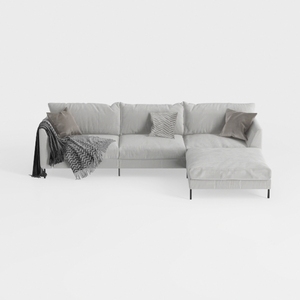
Minimalist Light Gray Fabric L Shape Sectional Sofa 3D Model
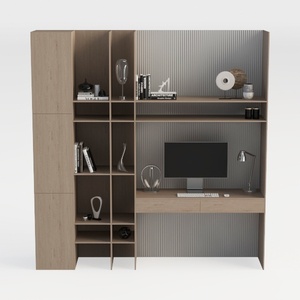

TREATLIFE HOME Stylish and Functional Computer Des
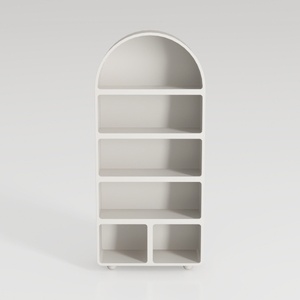
Minimalist Arched Top White Solid Wood Bookshelf 3D Model
Homestyler is your go-to online home design platform that makes creativity effortless! With its user-friendly design tool, stunning 3D renderings, and a plethora of inspiring design projects and DIY video tutorials, you can easily transform your home into a masterpiece. Dive in and start designing today!
立即免费设计
































