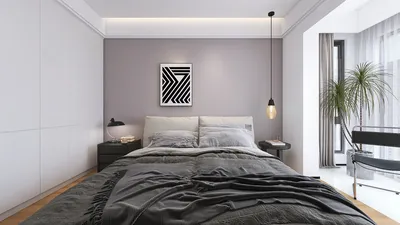


As we look toward the future, we see opportunities compacted into efficient living spaces, with many residents overwhelmed by distractions and inefficiencies. According to reports from AIA, there is a growing preference for smaller, high-performing living environments that emphasize adaptable areas over mere square footage. Similarly, Zillow's insights into micro-units affirm this trend. In this context, I am redefining a standard floor plan of 350 sq ft as a model for living in the coming decade—clear, purpose-driven, and ready for upgrades, much like the capabilities of the design platform Homestyler.
Every inch of space should communicate effectively—every area serving a specific purpose, much like programming code where flow dictates functionality, storage acts as a cache, and furniture determines accessibility. Embracing a small studio is not about settling; it represents a seamless interaction where time, visuals, and daily habits operate efficiently, akin to a well-functioning software interface.
Studio Grid: A Linear Backbone with a Flexible Core
Design Concept: A linear service core featuring a kitchenette and bathroom liberates the remaining 220 sq ft, establishing a fluid grid that is well-prepared for the blend of work and relaxation in the future.
Flow: The entryway leads into a drop zone, flowing into a kitchenette and a flexible core, ultimately opening to a window wall; this layout functions like a clean sequence in programming, minimizing unnecessary cross-traffic.
Sightlines: From the entry to the glass window, there are no interruptions; tall storage units function as discreet design elements, maintaining a calming informational backdrop.
Storage: Vertical solutions include wall bays of 12–15" depth, under-sofa drawers, and overhead lockers; labeled storage options help alleviate mental load.
Furniture Integration: A 72" sofa that transforms into a 48" bed, paired with a 30" desk that docks to a wall rail system; every piece is precisely designed to ensure ease of movement.
Conclusion: The studio's functionality is akin to firmware—operating consistently during the day while adapting at night, reflecting shifts in routines over five years.
save pinOpen in 3D Planner Processing...
Diagonal View: Kitchen at the Corner with Angled Partition
Design Concept: An angled, see-through partition extends the perceived space, transforming 350 sq ft into a visually expansive area.
Flow: Entryway → pocket pantry → corner kitchen → angled lounge → sleeping nook; this layout encourages forward movement, enhancing efficiency.
Sightlines: A diagonal view to the window enhances perception of depth; the half-height partition serves as a design overlay, presenting the environment without overwhelming the senses.
Storage: A corner carousel, 24" pantry pull-outs, and a storage base beneath the bed create a tiered system prioritizing easy access over less frequently used items.
Furniture Integration: A 36" round table accompanied by two stackable chairs and a 60" media rail; components are wall-mounted to keep the living space accessible and open.
Conclusion: The angles create a perception of expansive scale, facilitating micro-living without distracting attention.
save pinOpen in 3D Planner Processing...
Looped Micro-Suite: U-Shape with Sliding Wall
Design Concept: A sliding wall reconfigures a U-shaped flow, distinguishing between work and relaxation without rigid boundaries—ideal for adapting to varying schedules.
Flow: Entry → wardrobe storage → U-shaped kitchen → work area → sleep space → window; this loop reduces potential collisions, facilitating a streamlined process.
Sightlines: Low-profile storage maintains the primary window as the central focal point; reflective materials amplify natural light, enhancing visual emphasis.
Storage: 18" deep wardrobes, ceiling-mounted bins, and foldable utility carts streamline space, establishing a prioritized hierarchy.
Furniture Integration: A fold-down desk of 40", a 48" platform bed, and 24" nesting tables; design constraints ensure enough clearance for smooth transitions.
Conclusion: This loop creates a rhythm in space usage; the sliding wall allows for flexible adjustments, catering to evolving micro-suite needs throughout the seasons.
save pinOpen in 3D Planner Processing...
Final Thoughts
A well-designed floor plan for 350 sq ft must function like a user-friendly interface, where movement and storage outsmart traditional square footage metrics. Whether referred to as a micro-apartment or a compact studio, the core principle is simplicity: fewer features, smarter flows, and ample sightlines. In my observation, the homes of the future will not necessarily be larger; they will be more purposeful, and this is the dimension in which intention translates into performance, an approach supported by tools like Homestyler.
ZQQLVOO Writing Computer Desk,Home Office Desk,Hom

Minimalist Solid Wood Rectangular Furniture Panel 3D Model


Minimalist Solid Wood Console Table Single Drawer Storage 3D Model
Discover the power of Homestyler, your go-to online home design platform! With its user-friendly design tool, stunning 3D renderings, and a plethora of DIY video tutorials, you can effortlessly create and visualize your dream spaces—inspiration and creativity await!
立即免费设计
































