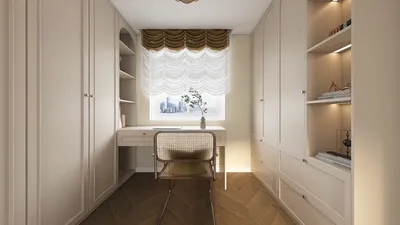


The evolution of modern living focuses on refining abundance into precise designs. Current challenges include issues like acoustic spillover, divided privacy, and the burden of inadequate storage. I observe these changes already manifesting as families blend work responsibilities, caregiving, and relaxation. As a result, I design luxurious four-bedroom apartment layouts akin to a living operating system. The spatial reasoning toolkit informs my decisions, while insights from AIA/NAHB data consistently indicate a rising trend for multigenerational needs and adaptable spaces on platforms like Zillow and Houzz. The message is unmistakable—design interfaces are crucial.
Skybridge Core + Split Suites
Design Principle: Two principal suites placed in diagonal opposition while children's bedrooms are shielded by a central skybridge corridor; luxury embodies a controlled bandwidth, echoing the need for serene spaces in our future homes.
Flow: The entryway leads to a gallery spine, which serves as the central hub for living and dining areas, oriented towards split bedroom wings. Guests navigate through shallower paths, while family members delve deeper as if following a tiered access system.
Sightlines: From the foyer, an extended view flows to the window wall; strategically offset private doors ensure that communal areas remain vibrant while intimate zones are discreetly positioned behind a secondary barrier.
Storage: Built-in wall-depth cabinets along the gallery spine work as a storage cache; seasonal items are archived close to mechanical areas, while everyday access points nest conveniently near the hub.
Furniture Fit: Sofas ranging from 96 to 108 inches align with the window bay's architectural design; king-sized beds have a clear space of 36 inches on both sides, and a 96-inch dining table serves as a central anchor in the arrangement.
Conclusion: This layout is designed to stand the test of time, boasting distinct areas, minimal noise interference, and flexible arrangements ready for hybrid work and evolving family dynamics.
save pin
Courtyard Living + Perimeter Rooms
Design Principle: A radiant central living courtyard surrounded by perimeter bedrooms creates a self-sufficient ecosystem; the future values a streamlined core with specialized functions surrounding it.
Flow: The journey begins at the entrance, leading into a cloak and mud area, progressing into the courtyard, ending with ring corridors that connect to the bedrooms; a service loop efficiently manages deliveries and domestic tasks away from primary pathways.
Sightlines: Offers a 360-degree view through interior glass panels, allowing privacy gates to adjust as needed; the kitchen viewpoint oversees the courtyard like a user interface dashboard.
Storage: Deep closets around the perimeter serve as a buffer; pantry and utility cabinets are strategically placed near the kitchen to minimize delays during daily tasks.
Furniture Fit: Modular sectional sofas complement a 12' x 18' courtyard; queen beds come with integrated headboards for storage; desks are sized at 30" x 60" for optimal remote work functionality.
Conclusion: The courtyard fosters family routines; looking ahead, it is likely to transform into the primary collaboration area, while bedrooms maintain their designated, tranquil function.
save pin
Gallery Spine + Dual Flex Rooms
Design Principle: A gallery-like spine interconnects living areas; two bedrooms are flexible zones adaptable for studio or office purposes—modern lifestyles demand such versatile spaces.
Flow: From the foyer to an art wall spine, leading into an open kitchen and living area, transitioning through flex rooms to a quiet suite cluster; daily activities seamlessly integrate from public engagement to private time.
Sightlines: The eyes follow the curated gallery to the outdoors; flex rooms utilize semi-transparent partitions, offering a dimming user interface to facilitate productive work or relaxation.
Storage: Bench-cabinets integrated along the spine hide AV equipment, alongside linen and utility storage near bathrooms for maximum efficiency.
Furniture Fit: A dining table of size 42" x 96" matches corridor widths; the size of king and queen beds depends on suite configurations; acoustic rugs and bookshelves serve as gentle barriers.
Conclusion: This spine creates both identity and order; over five years, clients can adapt the space without disrupting the flow—representing luxury through adaptability.
save pin
Final Thoughts
The design of luxury four-bedroom apartment layouts is shifting towards calm, high-capacity experiences where privacy, acoustics, and storage function cohesively. Styles ranging from split suites to courtyard cores translate the complexities of family life into easily manageable, future-proofed designs. The overarching perspective favors layouts that operate like an efficient system instead of just disconnected rooms. In my experience, thoughtful design is more impactful than sheer square footage, with tools like Homestyler enhancing the vision for these living spaces.
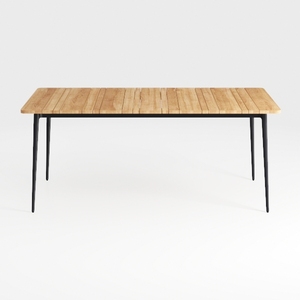
Modern Minimalist Solid Wood Metal Dining Table 3D Model

Minimalist Solid Oak Fluted Edge Dining Table 3D Model
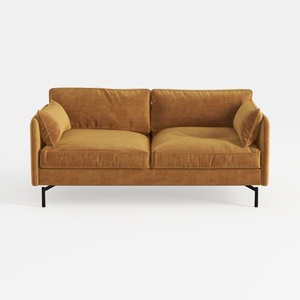
Modern Velvet Upholstered 2 Seater Sofa With Black Metal Legs 3D Model
Homestyler is your go-to online home design platform! With its user-friendly design tool, stunning 3D renderings, and a wealth of DIY video tutorials, you can effortlessly transform your design ideas into reality. Explore endless possibilities and discover the joy of home design today!
立即免费设计
































