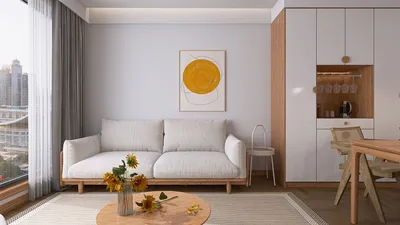


Growing up, I saw living rooms as the center for conversation, hospitality, and relaxation. In Bengali culture, "living room" often coincides with "drawing room," a term historically used for the guest-receiving area that signifies warmth, respect, and a touch of formality. Today, Bengali households—whether in Kolkata apartments or houses in the suburbs—are reimagining these spaces to strike a balance between traditional values and contemporary routines: gathering with friends (adda), enjoying evening tea, family TV time, and celebrating together during festivities. A tool like Homestyler can really aid in visualizing these redesigned spaces.
To effectively design this area, one must focus on proven comfort and well-being guidelines. The WELL v2 framework emphasizes that comfortable seating, adequate lighting, and acoustic management significantly enhance occupant satisfaction. Light exposure is particularly linked to circadian health and productivity. Research from Steelcase indicates that environments fostering varied postures and social interactions lead to improved comfort and user engagement in homes. These findings directly apply to Bengali living rooms, where adaptable layouts need to accommodate hosting elders, entertaining guests, corners for children's studies, and more. For comprehensive insights on comfort and performance in interior design, I often refer to WELL v2’s criteria for lighting and acoustics.
In the practical aspect, I merge cultural rituals with spatial ergonomics: configuring sofas and armchairs to encourage eye contact during adda, creating a designated tea service spot near the kitchen, and implementing soft lighting for evening storytelling or devotional occasions. When designing layouts in smaller Bengali apartments, I typically experiment with various seating arrangements and circulation paths using a room design tool like Homestyler. This allows me to assess guest capacity, line-of-sight to windows, and proximity to the TV or bookshelf.
Interpreting ‘Living Room’ Within Bengali Homes
In Bengali households, the term "drawing room" (ଡ୍ରୟିଂ ରୁମ) commonly refers to the primary receiving area, even if it also serves the everyday purpose of a living room. This is the space that welcomes friends and family, showcases artistic collections, and increasingly acts as a versatile hub for reading, music, and multimedia moments. I identify three key elements of a true living room: a configuration that encourages social interaction, lighting focused on comfort, and smart storage solutions that accommodate daily life—shoe racks positioned near entrances, slender consoles for keys, and closed cabinets for linens and puja items if a prayer area is adjacent.
Cultural Dynamics: Adda, Hospitality, and Rituals
The concept of adda—unhurried, thought-provoking conversations—plays a pivotal role in shaping both the flow and seating arrangements of Bengali living rooms. Rather than pushing sofas against walls, I advocate for two- or three-seat sofas paired with movable lounge chairs to create a conversational triangle. Coffee tables should be low and unobtrusive, with nested side tables for serving tea. When hosting small musical events or poetry gatherings, I increase circulation routes to 900–1000 mm, ensuring guests can move freely without congestion. For homes that incorporate a shrine, maintaining dignified sightlines and gentle lighting is crucial, often using dimmable warm sources to retain a sense of intimacy.
Illumination: Daylight, Color Temperature, and Glare
Many Bengali apartments enjoy generous eastern or southern light. I prefer sheer curtains to diffuse glare while maintaining light levels across the room. The IES suggests that living spaces typically function well in the range of 100 to 300 lux for ambient tasks, with 2700 to 3000 K warm white lamps enhancing relaxation. If television screens reflect window light, adjustable floor lamps positioned behind seating areas can mitigate direct glare, while matte paints help reduce shiny highlights. For evening adda settings, employing layered lighting fixtures—a ceiling pendant, wall sconces, and a floor lamp—allows the room to transition through different moods without overwhelming the senses.
Exploring Color Psychology in the Bengali Context
Color possesses the power to evoke emotions and memories. Neutral shades, such as warm beige or soft grey, create a suitable backdrop for vibrant art and décor. To reflect Bengali design sensibilities, I incorporate deep tones like indigo, terracotta, or mustard, inspired by traditional kantha embroidery, jamdani patterns, or the charm of old Calcutta verandas. Research from Verywell Mind suggests that warm colors enhance social interaction, while cool colors provide tranquility; I utilize warm accent colors in living rooms where gatherings are frequent and cooler tones in areas designated for reading.
Ergonomics: Seat Heights, Reach, and Comfort
The ideal seat height of 420–460 mm suits multi-generational households, easing the standing process for elders. Including armrests promotes stability, while lumbar support helps mitigate fatigue during extended conversations. Coffee tables should ideally range from 400 to 450 mm in height, with a 450 to 500 mm clearance from the seating area. Main pathways should remain at least 900 mm wide for two-way movement, and a clear zone of 1200 to 1500 mm is essential if the living area occasionally transforms into a play or yoga space. For compact layouts, I often prototype clearances using an interior layout tool to avoid pinch points around doorways and TV viewing areas.
Sound Comfort: Quiet Conversations and Clear Music
Hard surfaces, such as tile floors and bare walls, can amplify echoes in a room. To counteract this, I add area rugs, upholstered furniture, fabric curtains, and bookshelves—simple measures that absorb mid-to-high frequency sounds and enhance speech clarity. If external noise becomes an issue, employing double-layer drapery with a dense liner can be effective. I avoid placing speakers directly opposite large reflective surfaces; instead, strategically distributing them creates a softer sound diffusion. In tighter layouts, a tapestry or framed textile behind the sofa can promote sound absorption without adding unnecessary bulk.
Choosing Materials for Sustainability
The humidity prevalent in Bengal can pose challenges for wood and textiles. I recommend using kiln-dried timber, moisture-resistant plywood for built-ins, and washable upholstery covers for convenience. Natural fibers like cotton, jute, and linen are breathable options that perform well in this climate, while jute rugs add texture and durability. Opting for low-VOC paints and adhesives enhances indoor air quality, in alignment with wellness goals. Selecting high-rub-count fabrics for high-use living areas and rounding off high-traffic edges mitigates wear.
Spatial Ratios and Visual Harmony
The 60/30/10 color distribution rule maintains a balance between energy and calmness: 60% base colors, 30% secondary hues, and 10% accent shades. For furniture arrangement, I create mass contrast by anchoring the space with a solid piece (like the sofa) alongside lighter lounge chairs and tables to ensure the room feels airy. Positioning a single focal point, such as a TV or artwork, prevents fragmentation and maintains a sense of focus in conversation. If a drawing room merges with an informal living area, I suggest zoning these spaces with rugs and targeted lighting rather than creating physical partitions, ensuring an open feel.
Layout Strategies Tailored for Various Bengali Homes
• In compact apartments: Opt for modular loveseats, armless chairs, and nested tables. Arrange seating away from walls to create sharper conversation angles while keeping a circulation path of at least 900 mm. Wall-mounted shelving helps free up floor space.
• In heritage homes: Respect the existing proportions and windows. Arrange seating to benefit from cross ventilation; add a console for convenient tea service access near dining areas. Keep decor straightforward to allow heirlooms to stand out.
• In newly constructed homes: Design wiring for adaptable lighting setups. Include a concealed media cabinet with ventilated backs to shield electronics during humid spells. Using layout simulation tools can help test guest capacities and flow.
Designing Rituals: Tea, Literature, and Music
I create a clear "tea line"—the quickest unobstructed route from the kitchen to the coffee table. A low bookshelf or built-in nook keeps poetry collections and Rabindra Sangeet CDs easily accessible. Positioning a floor lamp by the reading chair and a dimmable sconce over the artwork provides intimate lighting for those special moments without dominating the overall ambiance.
Upkeep and Longevity
Opt for washable slipcovers and stain-resistant rugs. During monsoon season, use dehumidifiers to protect furnishings and maintain airflow by slightly spacing furniture from walls. Regularly check for loose fixtures and refreshing wood finishes, and keep a toolkit handy within the console for quick repairs.
Credible References for Enhancing Comfort and Performance
For informed design planning, I frequently consult WELL v2 guidelines on light and air quality, along with Steelcase studies focusing on human comfort patterns in communal spaces. These resources effectively translate principles of wellness and ergonomics into living room designs while honoring cultural integrity.
Frequently Asked Questions
Q1. Is a Bengali "drawing room" distinct from a modern living room?
A1. Traditionally, the drawing room was primarily a formal space meant for guests, while most contemporary Bengali homes now merge ceremonial and everyday family functions. The design must accommodate seating, storage, and lighting that comfortably transitions between the two styles.
Q2. What lighting levels are ideal for adda and watching TV?
A2. Aim for ambient lighting levels of about 100–300 lux with warm bulbs around 2700–3000 K. Using layered light sources and dimmers allows you to reduce glare from the TV while keeping the conversation areas softly illuminated.
Q3. What are the best seating options for elders?
A3. Select seating options with a height of 420–460 mm, supportive armrests, and firm cushions. Maintain pathways of at least 900 mm, steering clear of deep, low sofas that might make standing challenging.
Q4. Which colors are suitable for Bengali living rooms?
A4. Warm neutrals enhanced by accents of indigo, terracotta, or mustard complement the decor beautifully. Warm colors foster sociability, while cooler shades support a reading or calm ambiance.
Q5. How can I diminish echo in a tiled living area?
A5. Incorporate area rugs, upholstered furniture, fabric curtains, and bookshelves to absorb sound. Place softer surfaces opposite hard ones to balance reflections and enhance speech clarity.
Q6. What is an effective layout for small apartments?
A6. Utilize a compact sofa, movable chairs, and nested tables. Arrange seating to create a conversational triangle while ensuring a 900 mm circulation space. Experiment with layouts using a room design simulation tool.
Q7. What materials withstand Bengal's humidity?
A7. Use kiln-dried wood, moisture-resistant plywood, breathable natural materials (like cotton, jute, and linen), and low-VOC finishes. Ensure vented cabinetry to protect electronic devices.
Q8. How can I plan tea service without creating clutter?
A8. Position a narrow console near the entry or dining area, incorporate nested side tables, and create a clear "tea line" from the kitchen to seating. Using trays to facilitate quick setups and clean ups can enhance the experience.
Q9. Is it feasible to integrate a shrine into the living room?
A9. Absolutely—designate a respectful corner featuring warm, dimmable lighting, concealed storage for rituals, and maintain dignified sightlines for a composed, harmonious feel.
Q10. What is the best way to position a TV?
A10. Position the TV perpendicular to major windows to minimize glare, utilize matte wall paint, and ensure floor lamps behind seating for backlighting. A distance of 2–3 times the screen's height is ideal for viewing.
Q11. How can I ensure the layout remains adaptable for future needs?
A11. Plan for additional power outlets, dimmers, and adaptable furniture configurations. If you choose durable finishes and flexible storage solutions, the room can easily adapt to accommodate gatherings, celebrations, or working from home.


Homestyler is your go-to online home design platform, offering an easy-to-use design tool that lets you create stunning interiors. With impressive 3D renderings, diverse design projects, and helpful DIY video tutorials, transforming your space has never been more enjoyable and accessible!
立即免费设计
































