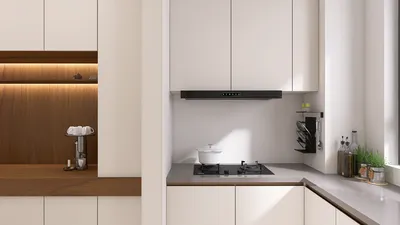


Red rooms are all about purpose. I utilize red to convey energy, focus, and warmth; however, achieving a successful red interior requires careful balance of saturation, light, material texture, and ergonomic comfort. Research shows that high-chroma colors, including warm reds, can significantly influence arousal and attention in workplace settings. According to Steelcase, pairing color and sensory diversity with choice and control in an environment enhances engagement. Moreover, the WELL v2 standards stress the importance of glare management, circadian lighting, and acoustic comfort as essential elements for ensuring dynamic color schemes are supportive rather than overwhelming. My interior design approach for red spaces prioritizes these human factors first.
Research in color psychology consistently associates red with increased alertness and perceived warmth. An overview by VerywellMind highlights red’s connection to passion, excitement, and appetite, making it especially suitable for dining areas and social spaces. To combat visual fatigue from red, I adjust the color through surface area, sheen, and lighting: matte, textured finishes mellow out reflections; mid-to-warm white lighting (3000–3500K) preserves intimacy without altering the hue; and layered task lighting at 300–500 lux provides clarity on work surfaces while adhering to IES recommended levels for residential activities. When red takes the spotlight, proper lighting becomes its essential director.
Selecting Your Red: Hue, Chroma, and Finish
Not all shades of red behave uniformly. A crimson that leans towards blue appears more sophisticated and cooler, while an orange-tinged vermilion presents a vibrant and energetic vibe. I analyze three key variables: hue shift (cool versus warm), chroma (muted versus vivid), and finish (matte versus satin). For bedroom interiors, I prefer muted oxblood or garnet in a matte finish to soothe the eyes; in dining areas, a spirited paprika in satin has a way of enlivening conversation while avoiding an overly glossy look; for creative spaces, a striking scarlet should only cover 15-25% of the surfaces to prevent cognitive overload. If you’re reconfiguring focal walls or circulation paths, running a quick layout simulation with a room design tool like Homestyler can streamline the process and help visualize the effects of natural light.
Lighting Considerations: Color Temperature, Brightness, and Glare Control
Red has a tendency to absorb light, which can make poorly lit red rooms feel oppressive. I incorporate ambient, task, and accent lighting to avoid a flat appearance. Ambient lighting maintained at 200-300 lux ensures a comfortable atmosphere; task lighting set to 300-500 lux aids activities like reading, preparation, or applying makeup; and accent lighting should be around 10-20% brighter than ambient lighting to highlight niches and artwork. The WELL v2 guidelines recommend minimizing glare and ensuring flicker-free lighting; I opt for diffused fixtures, shielded trims, and gentle vertical illumination to achieve balanced red walls. Dim-to-warm LEDs are excellent for transitioning the mood from lively gatherings to serene evenings.
Color Proportions: How Much Red Is Appropriate?
My foundational palette ratio is typically a 60/30/10 split: 60% neutral surroundings (off-white, warm gray, natural wood), 30% red surfaces (feature wall, textiles, cabinetry), and 10% accent metals or complementary colors (aged brass, indigo, or forest green). In compact spaces, I recommend reducing red to 20-25% to ensure openness; in larger areas flooded with daylight, increasing red to 35% can evoke dramatic gallery effects without feeling stifling. Given that vertical surfaces impact color perception profoundly—placing red behind seating can frame conversations beautifully, while keeping ceilings lighter enhances the feeling of elevation.
Material Choices: Texture Soothes Saturation
The materials selected play a role in controlling the intensity of red. Textiles like cable-knit throws, wool bouclé, and matte plaster greatly soften bright reds by absorbing light. Conversely, lacquered cabinetry or high-gloss paint helps sharpen forms but may enhance glare—this should be used judiciously. Combining red with natural oak, walnut, or travertine adds warmth and durability. For kitchen designs, high-resistance laminates or powder-coated steel in subdued red can endure heavy usage; in living rooms, brick red linen draperies introduce depth without luster. In high-traffic areas, sustainable materials that have been examined through reliable research platforms and finished with low-VOC paints ensure better indoor air quality.
Utilizing Red for Zoning and Behavior Patterns
Red serves as a potent tool for spatial delineation. In open-plan designs, a red accent wall can define a reading nook; a striking runner may outline a circulation path. For work-from-home setups, I prefer placing red behind a camera view for an assertive backdrop, but not directly in the primary field of focus to mitigate visual strain during screen engagement. In dining environments, red upholstery invites guests to linger; in play areas, save high-chroma red for subtle elements (like storage bins or trims) while anchoring the space with soothing neutrals.
Ergonomics: Ensuring Comfort Beyond Color
Choosing color alone does not guarantee comfort in a room. I align seating heights, monitor positions, and accessible zones according to ergonomic best practices so that the red palette enhances activity rather than distracts from it. Key considerations include proper seat depth (16-18 inches for lounge seating), adjustable task chairs (including seat height, lumbar support, and armrests), and maintaining sightlines clear of reflective surfaces. In kitchen spaces, I ensure a minimum clearance of 42 inches for work aisles; in living rooms, maintaining 18 inches between the sofa and coffee table ensures reachability remains convenient. Red can effectively highlight focal areas; it's crucial they are aligned with user-centric design.
Acoustic Comfort: Mellowing a Vivid Palette
Bold colors benefit from subdued sound. Upholstered furniture, thick-pile rugs, acoustic panels wrapped in red fabrics, and lined draperies minimize echo. I place sound-absorbing materials opposite reflective surfaces like windows and stone to maintain a sound balance. In media rooms, red fabric on walls integrated with broadband absorbers helps avoid overly bright acoustics—color remains expressive while ensuring clarity in audio.
Tailored Red Strategies for Each Room
A single red feature wall behind a sofa, complemented by warm wood tones and textured fabrics, enhances the space dramatically. Accents in aged brass or blackened steel add definition. It’s important to maintain a neutral ceiling and manipulate light levels with floor lamps and dimmers.
Crimson or paprika on wainscoting or accent walls can invigorate dining experiences. Satin finishes offer ease of cleaning, and pendant lighting in the 2700-3000K range featuring high CRI enliven food textures. Consider using a patterned rug that weaves red with earthy neutrals.
Red cabinetry is best suited to matte or ultra-matte laminates to manage glare. If complete cabinetry feels too overwhelming, consider a red island or appliance wall instead. Lightening counters and backsplashes conveys clarity and cleanliness.
Opt for deeper tones like oxblood, burgundy, or terracotta. Use red on upholstered headboards, throws, or a standout wall behind the bed. Soft 2700K bedside lamps paired with blackout shades foster restful sleep.
Incorporate red onto shelving, chair upholstery, or a small feature backdrop behind the desk. Balance the visual landscape with neutrals and be cautious of using glossy reds near computer screens.
Accent with red mosaics or painted vanities adds distinctiveness. Ensure tile is lighter and provide ample task lighting around mirrors to prevent casting unflattering hues on skin tones.
Contrasts and Pairings: Collaborating with Complementary Shades
Red pairs wonderfully with cooler complements such as slate blue, charcoal, forest green, and deep navy to stabilize intensity. For warmer palettes, terracotta, camel, and natural rattan resonate wonderfully with red’s earthy tones. A hint of reflective metal such as brass or bronze increases sophistication; excessive chrome can make the palette feel colder.
Budgeting and Phasing: Start Small, Scale Wisely
If contemplating the use of red, begin with movable elements like rugs, throws, art pieces, or stools before solidifying major decisions about paint or cabinetry. Staged updates—first focusing on color accents, evolving to a feature wall, and finally considering millwork—manage risks and afford the opportunity to fine-tune hues and finishes under real lighting conditions.
Research and Standards Backing Bold Colors
Incorporating bold colors into design thrives on evidence. Research from Steelcase on engagement and choice within environments illustrates the significant impact of sensory variety; WELL v2 provides essential guidelines on light quality, glare management, and acoustic performance for occupant well-being. Every red scheme I create is guided by these principles, ensuring that the end result feels both deliberate and livable.
Frequently Asked Questions
1) Is red a viable choice for small spaces?
Absolutely, when used judiciously. Limit red hues to muted tones occupying around 20-25% of the space, opt for light-colored ceilings, and layer soft lighting to alleviate heaviness.
2) What color temperature complements red walls?
Warm to neutral-white LEDs around 3000-3500K maintain richness while avoiding yellowing. Incorporating dimmers helps transition between energetic and peaceful atmospheres.
3) How can I keep red from feeling overpowering?
Striking a 60/30/10 ratio, favor matte textures, and distribute red across lower visual loads (like textiles and wainscoting) instead of large glossy facade walls.
4) Which materials go well with red?
Natural materials such as woods (oak, walnut), textured textiles (wool, linen), and stone (travertine) help soften intensity. High-gloss finishes should be used sparingly and purposefully.
5) Can red enhance productivity in a home office?
Strategic implementations—like a backdrop panel or shelving—can invigorate the space without serving as a distraction. Ensure the primary sightlines are neutral while maintaining task lighting around 300-500 lux.
6) Which accent colors work well with red?
Cool tones such as navy, charcoal, and forest green provide stability, while warm color companions like terracotta and camel promote cohesion. Metallic accents in brass or bronze add warmth.
7) Is red appropriate for bedrooms?
Opt for deeper, muted reds (such as oxblood, burgundy) coupled with soft finishes. Limit their presence to headboards or textiles to support restful settings.
8) How can I integrate red in kitchens without it feeling outdated?
Implement restrained applications—consider a red island, lower cabinetry, or small appliances in matte finishes. Lighter countertops and backsplashes create balance.
9) Does red influence acoustics?
Color by itself does not, but red textiles and acoustic insulation can certainly help. Utilize upholstered furnishings and rugs to enhance sound comfort within bold designs.
10) How essential is natural light in red spaces?
More daylight generally alleviates the heaviness associated with red. In low-light conditions, increase ambient and accent levels while favoring muted reds over vivid hues.
11) Is it possible to mix different shades of red within a single space?
Yes—a harmonious blend of two related reds (like terracotta and garnet) can work well when unified with consistent neutrals and metallic finishes to maintain visual coherence.
12) What should I do if I'm hesitant about using red?
Start with textiles and artwork. If the palette resonates over a few weeks, consider progressing to a feature wall or built-in elements, adjusting colors and finishes after testing onsite.

Modern Burgundy Leather Tufted Armless Chair 3D Model

Modern Red Fabric Modular Curved Sectional Sofa 3D Model


Modern Velvet Upholstered Tufted 3 Seat Sofa 3D Model
Homestyler is your go-to online home design platform, perfect for exploring your creativity. Enjoy an intuitive design tool, stunning 3D renderings, and a wealth of DIY video tutorials that guide you through various projects with ease. Transform your space today!
今すぐ无料でデザイン
































