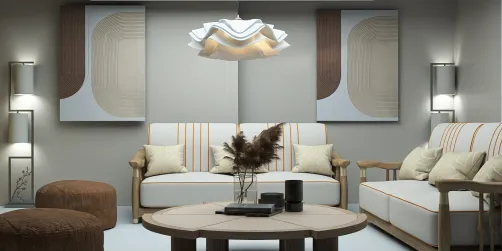



I once had a client who insisted on having a reclining sectional "large enough to nap an elephant" for her 420 square foot apartment — and yes, it nearly brought me to tears as I measured. This outrageous request led me to reassess scaling, mechanics, and placement, unlocking small-space strategies that transformed the sofa from a potential eyesore into a stylish centerpiece. Let’s explore how a reclining sectional tailored for small areas can be both inviting and clever, converting limitations into design triumphs.
My strategy incorporates modular design, precise measurements, and a few tips gleaned from challenging projects. Here are five compact, real-world design inspirations I've successfully implemented where every square inch mattered.
1. Slim modular recliner sectional
I enjoy starting with slim-arm modules that offer rearrangement flexibility. With narrow arms, shallower seats, and separate reclining components, you can customize the footprint to fit your room without sacrificing comfort. The benefits include adaptability and ease of cleaning; the slight downside is that you might trade a bit of deep-lounge indulgence for better circulation in your space. Using tools like Homestyler can help visualize these arrangements effectively.
save pin
2. Wall-hugger recliner with integrated storage
Wall-hugger or zero-wall recliners move forward instead of backward, making them ideal for narrow hallways or walls facing balconies. Pairing this with a low-profile storage console behind the sofa allows for functionality without overwhelming the space. Keep in mind the price of these mechanisms; although they can be more expensive, they preserve essential pathways in compact layouts, which can be easily planned with Homestyler.
save pin
3. L-shaped sectional with built-in shelving
A corner-fitting L-shaped reclining sectional can establish a defined living area while freeing up the rest of the floor. I often combine the chaise section with built-in shelves or a slim credenza to keep remotes and books off the floor. In open-plan designs, this serves as a subtle room divider that maintains visibility—ideal for creating a unified atmosphere with distinct functionalities, such as an adjacent open kitchen, while using Homestyler for effective layout planning.
save pin
4. Double-duty chaise and loveseat combo
Two cohesive smaller pieces often outperform a single large unit. A loveseat combined with a reclining chaise provides flexibility for entertaining or movie nights — they’re also easier to maneuver upstairs or through tight elevators. Potential challenges include ensuring upholstery matches and pieces align properly, but this approach is a budget-friendly way to enhance flexibility.
save pin
5. Custom petite sectional with removable arms
When standard sizes just won't fit, I highly recommend custom furniture with removable arms and tailored depths. This design allows you to optimize usable seating while minimizing overall width. While the initial investment may be higher, custom furniture is often the key to avoiding compromises in uniquely shaped rooms — and incorporating tools like Homestyler can help create a 3D render to assess proportions before making any commitments.
Here are a few quick budget tips: opt for durable mid-range fabrics, prioritize seat depth over width to ensure true lounging comfort, and always measure doorways and elevator dimensions before placing orders. Small spaces demand clarity, and clarity leads to outstanding design.
FAQ
Q1: What’s the minimum room size that can accommodate a reclining sectional?
I’ve successfully positioned compact reclining sectionals in spaces as small as 110–130 square feet by utilizing slim modules and wall-hugger mechanisms. It’s crucial to measure paths (at least 30 inches) and door clearances beforehand to avoid issues.
Q2: Are reclining sectionals practical for apartments with elevators or narrow staircases?
Yes, but it's best to choose modular designs or models with removable arms so each component fits through elevator doors and stair landings. Always conduct a dry fit in the hallway prior to delivery.
Q3: How much clearance do recliners require behind them?
Zero-wall or wall-hugger recliners need minimal clearance since the seats slide forward; traditional recliners generally need 12 to 18 inches behind the sofa for full recline.
Q4: What materials are best suited for small-space recliners?
Microfiber and performance woven blends are resistant to stains and have a visually lighter appearance, which helps a compact sectional feel less bulky. Leather is viable as well, but it may show wear more quickly on movable seams.
Q5: Can I mix a reclining sectional with other seating options?
Definitely — combining a loveseat or accent chairs can create flexible layouts. Just keep the scale consistent and avoid oversized coffee tables to maintain ease of movement through the space.
Q6: Is custom always better than ready-made for small areas?
Not necessarily. Ready-made modular pieces can be cost-effective and prompt, but custom furniture excels in tackling difficult spatial designs. Be sure to compare quotes and lead times before making a decision.
Q7: What’s the best way to maintain reclining mechanisms?
Regularly dust the tracks, tighten visible screws every year, and follow the manufacturer’s instructions for lubrication to keep motors and joints functioning smoothly.
Q8: Where can I find guidelines on furniture sizing and comfort standards?
For trustworthy insights on ergonomics and recommended clearances, I refer to Consumer Reports and industry standards. Check their furniture buying guides for detailed measurements and durability information (https://www.consumerreports.org).
save pin
Homestyler's roots trace back to Autodesk, the global leader in design and engineering software. That heritage lives on in every feature we build. Today, with a community of more than 20+ million registered users (platform data, 2026) worldwide, Homestyler continues to make professional-quality interior design accessible to everyone — from first-time decorators to seasoned architects.
Discover the joy of home design with Homestyler! This user-friendly platform features an intuitive online design tool, stunning 3D renderings, and a wealth of design projects and DIY video tutorials. Transform your ideas into reality effortlessly, no experience needed!
Design Now for FREE