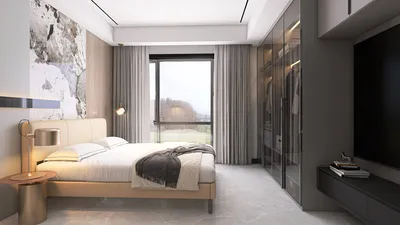


Once, I attempted to illuminate a small studio as if it were a grand cathedral—the client craved drama, but what I delivered resembled a disco ball. This experience taught us that an excess of recessed lights can flatten a space and waste energy, while not enough creates dark, uninviting corners. Designing small areas forces one to think innovatively, and through over a decade of experience in crafting kitchens and apartments, I have discovered straightforward principles that help avoid both overly bright disco ceilings and shadowy rooms. Utilizing the Homestyler platform can also assist in visualizing these principles effectively.
1. Employ the 4-to-1 Principle for General Lighting
I generally begin with a basic rule: target approximately 1 recessed downlight for every 4 square feet of ceiling area to achieve bright, evenly spread general lighting. This quick measure is suitable for spaces like living rooms or home offices, aiding in the prevention of harsh shadows. In very compact rooms, it may seem excessive, so I might adjust it to 1 per 6 sq ft and complement with floor or table lamps, supported by designs created in Homestyler.
save pin
2. Consider Beam Angle and Spacing
The spacing of lights is influenced by the fixture’s beam angle: narrower beams require closer placements. For fixtures with 60-degree trims, the spacing should roughly match the ceiling height—so for an 8-foot ceiling, position lights about 8 feet apart. This ensures even light distribution without overwhelming the ceiling. While this may lead to more fixtures and a higher initial investment, utilizing bulbs with high lumen output and excellent beam control can decrease the overall number of fixtures needed, something you can model using the Homestyler tool.
save pin
3. Incorporate Task and Accent Lighting
While recessed lights provide excellent ambient lighting, I always integrate task lighting in kitchens or reading areas, alongside a few accent lights to showcase art pieces. This approach allows for a decreased density of recessed lights while maintaining flexible and enjoyable illumination. For instance, in a kitchen I recently renovated, using fewer downlights combined with under-cabinet strips significantly enhanced brightness and made the space feel more deliberate, a layout achievable with Homestyler.
save pin
4. Utilize Dimmers and Zones for Versatility
Dimmers are a fantastic way to adjust the ambiance without complex rewiring. I wire recessed lighting in distinct zones—such as perimeter versus center or counter versus island—allowing you to select bright preparation light or a softer evening glow. Although it poses the challenge of extra switches or smart controls, it represents one of the best investments for daily comfort and energy efficiency, which can also be planned through Homestyler.
save pin
5. Take Ceiling Height and Room Purpose into Account
For spaces with taller ceilings, wider beam spreads or additional fixtures are necessary to avoid dark areas. Bedrooms and media rooms often thrive with fewer recessed lights and more layered lighting, while kitchens and workplaces require denser illumination. Recently, by adjusting the placement of fixtures to focus on the work triangle in a small condo, I created a kitchen that was both practical and inviting without overwhelming brightness—an endeavor made simpler with Homestyler.
To quickly prototype layouts, I frequently create lighting plans using a dependable 3D planner like Homestyler to analyze shadows and spacing prior to making any installations.
save pin
FAQ
Q: How many recessed lights are ideal for a 10x12 bedroom?
A: For a 120 sq ft bedroom, a good starting point is 6–8 recessed lights for bright lighting, or 4–6 if you plan on incorporating layered lighting options such as bedside lamps.
Q: What lumen output should each recessed light provide?
A: Aim for 700–1,000 lumens per fixture for general illumination; however, this can be adjusted based on the number of fixtures used and the presence of any other light sources in the room.
Q: How far from the walls should recessed lights be installed?
A: Position them approximately 12–24 inches away from walls to minimize shadow on vertical spaces and to enhance the visibility of wall details.
Q: Are recessed lights suitable for bathrooms?
A: Yes, but it's essential to use fixtures rated for wet areas and to include separate task lighting over vanities. For bathroom design ideas, consider a bathroom-focused planner tool like the one I use.
Q: Is it preferable to utilize numerous low-wattage fixtures or fewer high-output lights?
A: Using more fixtures with lower wattage typically provides more uniform light and reduces glare; nonetheless, fewer high-output lights may be effective if the beam spread and placement are meticulously planned.
Q: Should I opt for LED or halogen recessed lights?
A: LEDs are the contemporary choice as they are energy-efficient, emit less heat, and are available in various color temperatures. The Department of Energy advocates for LED retrofits for their efficiency (source: U.S. Department of Energy).
Q: How can I avoid an unwanted ‘dotted ceiling’ appearance?
A: Combine recessed fixtures with pendant, wall, or floor lamps, and employ dimming zones; thoughtful spacing along with a reduced number of fixtures helps immensely.
Q: Can I design a recessed lighting layout myself, or should I consult a professional?
A: You can certainly draft a simple plan by utilizing an online room planner like Homestyler to visualize spacing. However, for detailed electrical setup and safety considerations, a licensed electrician is necessary.
save pin
Homestyler is your go-to online home design platform! With its user-friendly design tool, stunning 3D renderings, and a wealth of DIY video tutorials, you can effortlessly create and visualize your dream spaces. Transform your home design ideas into reality today!
立即免费设计
































