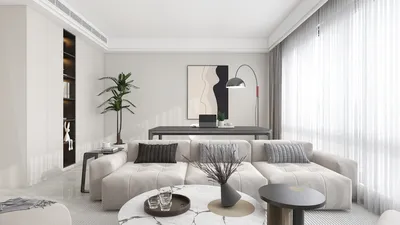


I rely on realistic 3D models of home clutter—such as stacks of mail, keys, coffee cups, charging cables, pet bowls, throw blankets, tissue boxes, and unfinished books—because these elements transform lifeless visuals into authentic, lived-in environments. When clients observe everyday items presented in context, their understanding of movement flow, storage needs, surface management, and light dynamics enhances significantly. This approach isn’t merely about decoration; it’s an effective means of simulating everyday life. Recent research in both work and home settings indicates that clutter and organization can profoundly affect cognitive load and perceived comfort. According to findings from **Steelcase wellbeing research**, visual complexity can elevate stress levels; achieving the right equilibrium fosters a sense of calm and control.
Lighting is paramount. Small items with varying reflective properties, such as ceramics, glass, paper, and fabric, can highlight glare issues and color changes that would go unnoticed with plain surfaces. The **IES standards** provide guidelines for target illumination levels and glare management; mapping these standards against reflective clutter items fine-tunes both task lighting and ambient illumination layers. Additionally, color and material choices subtly affect mood: an overview from **VerywellMind color psychology** correlates warm colors with comfort and cool tones with tranquility—insightful when selecting tones for shelves, counters, and tables.
Ergonomics and reach considerations are also essential. Strategically placed 3D models, like remote controls, spice jars, and utensil caddies, allow for practical evaluations of heights, clearances, and reach zones without ambiguity. The **WELL v2 overview** emphasizes environments that promote comfort and lower strain; modeling these micro-interactions—like bending to retrieve a bowl or reaching for a mug—ensures daily movements align with user comfort. When planning the traffic flow around drop zones (such as entry consoles, kitchen landings, and laundry folding areas), I quickly use a room layout tool to visualize clutter hotspots and relate them to appropriate storage solutions.
The Advantages of Incorporating Realistic Clutter Models
1) Enhanced decision-making: Clients quickly identify common accumulation points—like keys by the door, backpacks in the kitchen, or magazines on the sofa—allowing us to size storage effectively.
2) Accurate lighting: Textured clutter elements illustrate shadow softness and highlight reflections, aiding in lamp positioning and shade selection.
3) Acoustic benefits: Soft items, such as throws, rugs, and baskets, help diminish sound reflections, marginally enhancing comfort in hard-surface rooms.
4) Scale accuracy: Everyday objects ground size perception; familiar items like a cereal box or standard 12 oz mug regularly maintain realistic countertop dimensions.
5) Insight into behavior patterns: Clutter illustrates routine usage—such as coffee prep areas or pet feeding spots—informing strategic outlet placements and material choices that are easy to clean.
Creating a Library of Realistic Clutter Elements
My core library combines high-detail pieces with lighter objects. The key elements feature intricately designed ceramic mugs, glass tumblers, hardcover books of varying spine widths, textured knit throws, woven baskets, mail envelopes with subtle curls, cable coils, and a selection of accurately modeled remote controls. Lightweight models are utilized for repetitive elements: folded towels, tissue boxes, snack bags, spice jars, and compact plants. It’s crucial to maintain consistent real-world dimensions (within a 2-3 mm tolerance) to ensure accurate scaling in all scenes.
Material and Shader Considerations
The success of clutter hinges on material representation. I prefer PBR workflows featuring controlled roughness and delicate normal maps: matte papers (0.6-0.8 roughness), glazed ceramics (0.15-0.25 with clearcoat), brushed metals (anisotropic highlights), and untreated wood trays (varying gloss levels to avoid a plastic appearance). Color psychology also informs accent selections—warm terracotta mugs and soft ochre throws create inviting spaces; cooler slate books and charcoal baskets offer a calming effect on visually stimulating shelves. Incorporate slight wear and micro-scratches at high-touch areas for authenticity, but minimize visual noise to prevent viewer fatigue.
Lighting Environment: Achieving Balance in Glare, Color, and Shadow
To assess daytime lighting, I conduct tests at mid-to-high ambient levels accompanied by two task lighting layers. Items like glossy magazines or glass jars can highlight glare produced by overhead lights; adjustments to beam spread and the use of diffusers are recommended. For evening scenarios, I use warm task lights (2700-3000K) near comfort areas while keeping ambient light cooler (3000-3500K) to maintain clarity. Cross-checking with **IES standards** regarding task illumination is also essential. Color rendering accuracy (CRI 90+) greatly affects visual perception: books, textiles, and food packaging easily reveal poor rendering quality. Monitoring shadow softness against clutter density is key to avoiding excessive harshness on shelves.
Human Considerations and Spatial Ratios
Clutter assists in evaluating optimal reach distances, clearance widths, and bending capabilities. Kitchen counters are effectively designed at heights ranging from 860 to 915 mm, with frequently used items placed within a 500 to 600 mm reach zone. Entry drop zones benefit from a 300 to 400 mm deep tray accompanied by a concealed basket for mail overflow. Living spaces maintain a serene atmosphere when visual rhythm is carefully controlled: one hero cluster per 1200-1500 mm segment, limiting to no more than three color accents per view. I iterate through layouts using an interior layout planner to assess sightlines and avoid congestion.
Acoustic Comfort in Everyday Settings
Even small objects can impact acoustics. Items made from soft materials on shelves, such as a folded throw on an armrest or a fabric-lined tray, contribute to noise reduction in hard-surfaced environments. While clutter cannot replace acoustic panels or rugs, it enhances perceived quiet, particularly in compact flats with reflective finishes. It’s advisable to steer clear of excessive brittle plastics; instead, favor natural fibers and textured papers. Positioning baskets and books in areas where sound reflections occur—near large blank walls or opposite hard floors—can subtly disrupt echo patterns.
Sustainability and Maintenance Considerations
Emphasizing realistic, maintainable options is crucial: items like washable cotton throws, FSC-certified wood trays, and organizers made from recycled paper. In marketing scenarios, illustrate how clutter is contained—using lidded bins, cable clips, and shallow drawers—so environments appear both lived-in and well-cared for. Sustainable choices need not be rustic; sleek, recycled polymer baskets and powder-coated steel trays fit beautifully in minimalistic settings. When proposing options, always reference credible material libraries and certification organizations for comprehensive specification insights.
Workflow: From Initial Draft to Detail Refinement
1) Outline surfaces and areas (coffee table, entry console, kitchen countertop).
2) Define areas of high activity (coffee preparation, charging spots, pet food zones).
3) Introduce key clutter items for anchoring scale and function.
4) Fill voids with low-poly props while maintaining negative space.
5) Validate lighting and glare issues with test renders; adjust beam angles and correlated color temperature (CCT).
6) Assess ergonomics—reach, clearance, bending—and modify heights as necessary.
7) Refine color accents to ensure visual harmony.
8) Conduct a final review for material accuracy and micro-variations.
Common Mistakes and My Avoidance Strategies
• Avoiding over-cluttering: I limit surface coverage to around 30-40% of visible space per tabletop, leaving a clean edge for trays or placemats.
• Preventing scale discrepancies: I always refer to actual product dimensions, such as a standard hardcover novel that measures approximately 155-165 mm wide, to keep shelf dimensions believable.
• Managing texture over-noise: I restrict high-frequency patterns to a single piece per view and prioritize material richness rather than overwhelming prints.
• Addressing lighting mismatches: Shiny props placed under narrow beams can create harsh reflections; I either widen beam angles or add diffusers to soften light.
Use Cases: Kitchens, Entries, Living Rooms, Bedrooms
• Kitchens: Include items like coffee equipment, bread boxes, spice collections, fruit bowls, and dish towels; conduct assessments under 3000-4000K lighting while avoiding glare on glossy surfaces.
• Entries: Feature key bowls, mail trays, umbrella stands, shoehorns, and tote bags; design a hidden charging station and label drop areas.
• Living Rooms: Incorporate remotes, books, coasters, throws, and game boxes; ensure clear walkways and uninterrupted sightlines to focal walls.
• Bedrooms: Include bedside lamps, books, glasses, water carafes, and tissue boxes; ensure convenient reach from the bed and proper light distribution onto a partner's side.
Presenting to Clients
I provide two presentations: one featuring a neutral, slightly cluttered setup and another showing a lived-in variant with accessories reflecting their personal habits. This contrast initiates practical discussions—"Where will the mail go?" "Would a charging drawer be beneficial?"—which lead to informed storage and hardware choices. Connecting clutter presentations to lighting specifications and ergonomic notes reinforces decision-making. Research from **Gensler research** highlights how environmental cues affect behavior; small, meaningful objects can encourage orderly routines when storage solutions are intuitive.
FAQ
Q1. How do realistic clutter models enhance client decision-making?
A1. They expose daily behaviors—where items tend to land and how surfaces get utilized—enabling us to size storage, select finishes, and position lighting with confidence. Clients resonate with familiar objects far better than abstract visuals.
Q2. What lighting considerations should I evaluate with clutter present in the scene?
A2. Assess beam spread, glare from shiny items, and color rendering quality (CRI 90+). Cross-reference illumination targets against **IES standards** and balance task versus ambient lighting at typical heights.
Q3. How much clutter is appropriate without creating a disorganized appearance?
A3. Aim for one focal cluster per view and maintain surface coverage around 30-40% of visible tabletop space. Preserve negative space to allow for visual breathing room.
Q4. Which materials appear most convincingly in 3D renderings?
A4. Textured papers, delicately glazed ceramics, brushed metals with anisotropic effects, natural fiber baskets, and subtly worn woods. Keep roughness and normal mapping understated to enhance realism.
Q5. Can clutter models assist with ergonomic considerations?
A5. Absolutely. Place frequently accessed items within a 500-600 mm reach envelope, verifying countertop heights between 860-915 mm, and ensure adequate clearances for bending and movement. Link adjustments to supportive environment objectives outlined in the **WELL v2** standards.
Q6. Do minor objects influence acoustics?
A6. Yes, they have a modest effect. Items like soft throws, books, and baskets help diffuse reflections, although they should complement rather than replace rugs, curtains, and sound panels.
Q7. How should I structure a 3D clutter library?
A7. Organize into hero assets (high fidelity, used sparingly) and lightweight props (for repetitive use). Tag items by room, function, material, and scale; ensure consistency in real-world dimensions.
Q8. What color strategy is best for creating realistic scenes?
A8. Limit accent colors to two or three per view, guided by intended mood. Utilize warm tones for comfort and cool shades for serenity, aligning with concepts from **color psychology**.
Q9. How do I mitigate glare spots caused by glossy clutter?
A9. Widen beam angles, incorporate diffusers, reduce output near reflective objects, and adjust placements to minimize glare hotspots.
Q10. What cues of sustainability should I incorporate?
A10. Showcase organizers made from recycled materials, FSC-certified wood trays, washable textiles, and modular bins. Visualizing easy maintenance promotes a focus on durable, low-waste choices.
Q11. How do clutter models integrate with storage planning?
A11. By revealing real accumulation areas, they guide drawer dimensions, number of bins needed, and appropriate landing zones. Utilize a layout simulation tool to test movement flows and accessibility.
Q12. Any tips for achieving photorealistic rendering settings?
A12. Ensure balanced lighting (avoiding overblown hotspots), use physically accurate materials, enable global illumination and soft shadows, and apply subtle post-processing techniques (contrast adjustments, color balancing) without sacrificing detail.
Discover the joy of home design with Homestyler! This user-friendly platform offers an intuitive online design tool, stunning 3D renderings, a plethora of design projects, and helpful DIY video tutorials. Transform your space effortlessly—perfect for both beginners and seasoned decorators alike!
Progetta ora GRATIS
































