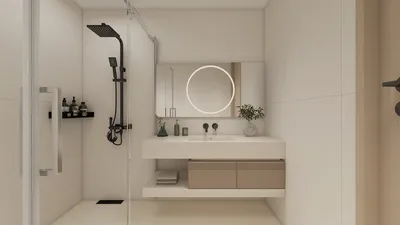


I have incorporated rattan cabinet doors into various areas such as kitchens, bathrooms, entryways, and media walls, as they provide a light and airy texture without overwhelming the space. The woven design allows air circulation, discreetly conceals clutter, and introduces a handcrafted aesthetic that flat cabinet fronts often lack. In kitchens, these doors contribute to a more comfortable environment: improved airflow helps to minimize stale odors in cabinets, while their lighter appearance softens the overall visual weight of expansive storage solutions.
Research in design validates this preference. Studies by Steelcase indicate that natural materials and textures can significantly enhance occupants' well-being and overall satisfaction with their surroundings. WELL v2 guidelines endorse biophilic design principles, highlighting the connection between natural materials and reduced stress levels. Psychological studies also reveal that warm, neutral tones effectively lower arousal, promoting a sense of calm—perfectly aligning with the hues often found in rattan cabinetry. Such insights align with my experiences working with clients who prefer woven doors; these choices create an inviting, spacious feel compared to solid panels.
Advantages of Rattan Cabinet Doors
- Visual Lightness: The intricate weaving of cane disrupts solid surfaces, enhancing harmony and balance across cabinet runs.
- Breathability: The micro-ventilation properties help kitchen items dry effectively while preventing musty odors in confined spaces.
- Tactile Warmth: The natural fibers add a comforting touch, balancing out harder materials such as metal and stone.
- Versatile Style: Rattan blends seamlessly with various design aesthetics, including coastal, Japandi, mid-century, and modern farmhouse themes, without looking forced.
- Simple Updates: Replacing rattan panels is a straightforward process compared to changing entire cabinet doors.
Planning Your Project
Rattan, commonly used as cane webbing, is available in open-weave sheets with sizes such as 1/2" or 5/8" hex or radio patterns. For cabinet doors, I prefer the 1/2" option, which strikes a balance between privacy and airflow. A frame-and-panel design helps keep the webbing secure and taut. When refurbishing existing doors, ensure you have a cleanly removable recessed center panel. For new projects, Shaker-style frames featuring a rabbet depth of 1/4"–3/8" work effectively. If you're planning extensive built-in cabinetry or want to visualize proportions, using a room layout tool like Homestyler can be quite beneficial.
Materials and Tools Required
- Pre-woven rattan (cane webbing), available in a 1/2"–5/8" pattern
- Solid hardwood for the frames, such as maple, white oak, or beech, or paint-grade poplar
- Optional plywood spacers or backer strips (1/4")
- Wood glue and pins or brads (23-gauge)
- Quarter-round, shoe molding, or custom beading to secure the cane
- A trim router with a rabbet bit and a flush-trim bit (if resizing panels)
- Essential tools: clamps, square, chisel, sanding blocks, and tack cloth
- Water basin or sprayer for soaking the cane
- Finishing materials: waterborne polyurethane, hardwax oil, or low-VOC lacquer; dewaxed shellac for color consistency
Step-by-Step Construction Guide
Start by confirming final door dimensions, and the widths of the stiles and rails (I prefer 2" stiles for doors under 24" wide; 2 1/2" for wider options). Aim for a frame-to-opening ratio between 1:4 to 1:5 for proportional aesthetics, particularly for tall pantry doors.
Cut stiles and rails from stable, straight wood. Employ joinery techniques like mortise-and-tenon, domino, or pocket joinery (for a robust feel under regular use). Assemble everything for a dry fit to ensure it is square. Create a rabbet on the back face—3/8" deep by 1/2" wide serves as a reliable starting point.
Soak the rattan sheet in warm water for around 20–30 minutes until it becomes pliable. This process helps prevent cracking and allows for proper tightening as it dries. Remove any excess moisture before proceeding with installation.
Position the damp cane over the rabbet, aligning the weave, and lightly pin it in place at the midpoints of each side to maintain squareness. Gradually work outward, adding pins or narrow staples approximately every 1 to 1 1/2 inches to secure it. Maintain consistent tension, but avoid overstretching the fabric; it will naturally tighten as it dries.
Apply thin beads of glue in the rabbet and press quarter-round or custom beading in place to secure the cane. Pin it, carefully remove any excess glue, and allow it to dry flat. Trim any overhanging material using a sharp chisel or a flush-trim bit.
Smooth edges with sandpaper (180–220 grit). If you wish to keep the cane light in color, applying a dewaxed shellac wash coat before finishing will help minimize yellowing. For kitchens, I finish the frames with waterborne polyurethane in a matte or satin finish, while the cane can remain either unfinished or sealed lightly to maintain its flexibility.
Focus on Ergonomics, Lighting, and Everyday Usage
The lightweight nature of the open panel design helps facilitate ergonomic reach and reduces strain on hinges. When setting up task lighting, minimize glare on the rattan by choosing warm-white, low-UGR lighting solutions. I aim for a brightness of 300–500 lux on countertops, conforming to IES guidelines, with a color temperature around 2700–3000K to create a calm and welcoming atmosphere. In areas exposed to moisture, maintain a clearance of 2–3 inches from sinks or dishwashers, and opt for corrosion-resistant hinges.
Sound and Behavioral Insights
Rattan offers sound diffusion properties, contrasting with glossy flat cabinets to soften noise generated in bustling kitchens or media rooms. Its semi-opaque texture subtly encourages tidier organization, as while it's not fully transparent, it provides enough visibility to prompt neatness. Pair it with felt bumpers to minimize noise from closing doors.
Understanding Color Psychology: Suitable Finishes
Warm whites, mushroom tones, and clay neutrals harmonize beautifully with rattan’s honey hues. If you are painting frames, consider testing muted shades of green or blue-gray for a refreshing palette without creating a cold environment. Research shows that blue fosters feelings of tranquility and reliability, while green promotes balance—use this knowledge to cultivate the desired ambiance. Choosing between brass or blackened metal hardware depends on your room's desired contrast.
Durability and Upkeep
- Maintain indoor humidity levels between 35% and 55% to prevent sagging or excessive tightening of the cane. If loosening occurs, a light mist followed by gentle heat can help re-tighten it.
- Steer clear of harsh cleaning agents; instead, use a mild soap solution along with a soft brush for the weave, and towel-dry afterward.
- In high-temperature areas near ovens, consider replacing those specific doors with solid panels to prevent over-drying of the cane.
Sustainability Considerations
Rattan is a fast-growing material with excellent weight-to-strength characteristics, making it an environmentally friendly option when aiming for a reduced ecological footprint. Pair rattan with low-VOC finishes and durable, repairable frames. For those seeking comprehensive guidance on healthy materials and lighting comfort, the WELL Building Standard can provide valuable resources for interior design.
Common Design Layouts
- Upper Glass + Lower Rattan: This configuration keeps the view unobstructed at eye level while concealing everyday items below.
- Rattan Focused on Tall Pantry Doors: This creates tactile focal points along a high elevation, enhancing interest.
- Media Console: Rattan allows remote controls to operate through cabinet doors and improves ventilation for electronic components.
- Bathroom Vanity: Utilize tighter weaves for enhanced privacy and ensure thorough sealing of the frame. For planning clearances and hinge movements, a quick session with an interior layout planner like Homestyler can prove invaluable.
Cost and Time Overview
- Material Costs: Expect to spend between $10–$25 per square foot for quality cane; hardwood frames will vary in price based on the type of wood used.
- Construction Time: Building a pair of 18" x 30" doors generally takes approximately 4–6 hours from start to finish, not including time for the finish to cure.
- Hardware: Opt for soft-close, fully adjustable concealed hinges—two for doors under 30" in height, and three for taller or heavier options.
Safety and Moisture Management
Always use eye and hearing protection when working with power tools like routers and sanders. Keep cane materials away from open flames and strong heat sources. In humid climates, a small, quiet cabinet fan or louvered back panels can assist in preventing mildew build-up in enclosed spaces.
Final Touches
Consider lining shelves with cork for added grip and protection. Adding LED strips above the face frame can help highlight the weave after dark. A matte finish on hardware provides a more architectural look, while polished finishes offer a dressier appearance.
Research References
For insights into the connections between materials and well-being, I frequently consult studies by Steelcase regarding workplace interiors and the WELL Building Standard, which encompasses lighting, comfort, and material strategies.
Frequently Asked Questions
Q1: Will rattan cabinet doors sag over time?
A: Keeping indoor humidity levels around 35–55% is essential. Properly tensioned and pinned cane will tighten as it dries after installation, and should it loosen later, a light mist and gentle heat can typically re-tighten it.
Q2: Is it safe to use rattan near sinks and dishwashers?
A: Yes, as long as you maintain reasonable setbacks and ensure good ventilation. Make sure to thoroughly seal the frame and avoid frequent soaking of the cane, while selecting corrosion-resistant hardware.
Q3: Which weave size works best for privacy and airflow?
A: A 1/2" open hex weave effectively conceals most items from a typical standing view while allowing for adequate airflow. Tighter radio weaves offer increased privacy, which is ideal for bathrooms.
Q4: How can I safely clean greasy residue?
A: Use a diluted mild dish soap solution and a soft brush, then simply wipe damp and dry with a towel. Avoid solvents and harsh degreasers, which could damage the fibers.
Q5: What finishes prevent rattan from yellowing?
A: Applying a dewaxed shellac wash coat followed by a waterborne polyurethane in a matte finish works well. Always test on samples to ensure minimal tone changes and UV resistance.
Q6: Can rattan doors be used with remote controls for media equipment?
A: Yes, the open weave design allows IR signals to penetrate while enhancing ventilation for electronics, preventing excess heat build-up.
Q7: What is the best lighting temperature to showcase rattan?
A: For the best effect, maintain a color temperature of 2700–3000K to highlight the warmth of the cane. I recommend targeting 300–500 lux on adjacent work surfaces to reduce glare and maintain the texture’s appeal per IES standards.
Q8: Can I retrofit rattan on existing slab doors?
A: If they are solid-core or thick MDF, you can rout a recessed area and add a back bead to secure the cane. However, it is often more efficient and cleaner to construct new frame-and-panel doors.
Q9: How many hinges do I need?
A: Use two hinges for doors under 30" tall and three for taller or heavier doors. Despite rattan's lightweight, the size of the frame determines hinge quantity.
Q10: Is rattan an eco-friendly option?
A: Rattan grows quickly and is lightweight to transport. By combining it with low-VOC finishes and sustainable hardwood frames, you can ensure a longer lifespan.
Q11: What color schemes work best with rattan?
A: Warm whites, taupes, and subtle greens or blue-grays complement the natural honey tones of rattan. Brass accents add warmth, while black hardware creates striking contrast.
Q12: Are there any acoustic advantages to using rattan?
A: The textured surface of rattan slightly diffuses sound, helping to soften noise in busy kitchens compared to glossy flat doors—this effect may be subtle but is quite noticeable in active environments.

Talataca Bookshelf Heart Shape Book Lovers Nerd
IBUYKE Narrow Side Table with Storage Shelf, 3

Daycare Shelves for Kids, Bookcase with 2 Shelves
Homestyler is your go-to home design platform! With its user-friendly online design tool, stunning 3D renderings, a wealth of design projects, and helpful video tutorials, you can effortlessly turn your decorating dreams into reality—no experience needed!
Desain sekarang Gratis
































